7 Tree Removal Signs You Shouldn’t Ignore
A tree removal sign is a visible clue that a tree may be unsafe, dying, or too damaged to save. That matters more than most people think, because tree removal signs often show up before a trunk...
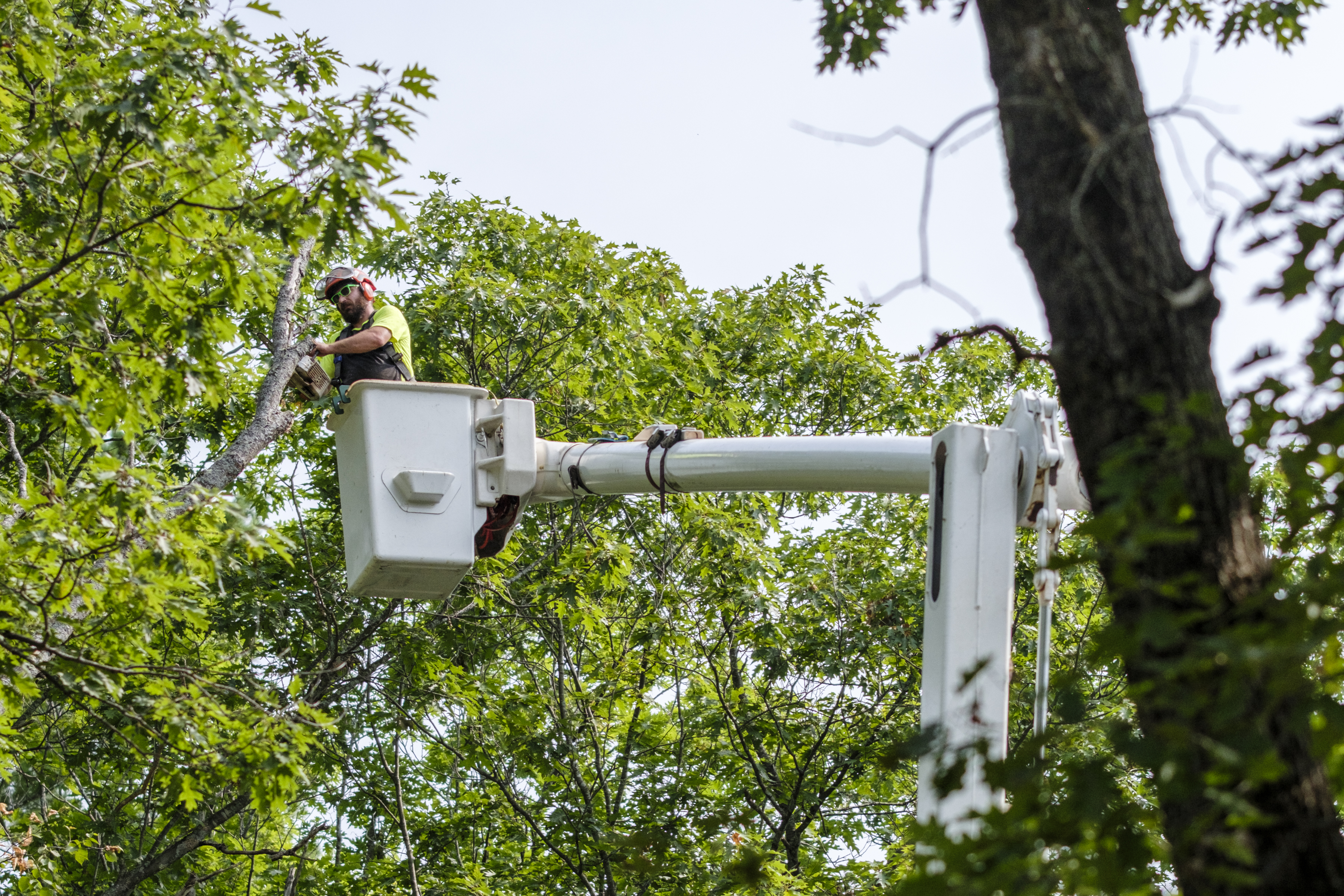
A tree removal sign is a visible clue that a tree may be unsafe, dying, or too damaged to save. That matters more than most people think, because tree removal signs often show up before a trunk snaps, a limb drops, or roots start giving way after a hard rain.
What counts as a tree removal sign
Not every rough-looking tree needs to come down. A stressed tree can sometimes bounce back with pruning, treatment, or better care. But some warning signs point to a safety problem, not just a health problem, and that is where waiting gets risky.
Here’s the thing: the goal is not to panic every time leaves look thin or bark looks odd. The goal is to notice patterns that suggest the tree is unstable, declining fast, or failing from the inside out. Think of it like spotting a crack in a foundation. A small scuff is one thing. A shifting support is another.
Sign #1: the tree is leaning more than it used to
Some trees naturally grow at an angle and stay stable for decades. A new lean, though, or a lean that suddenly gets worse, is a different story. If the tree looked straight last spring and now tilts toward your driveway after a week of storms, pay attention.
Heavy rain can loosen soil and weaken roots, especially in saturated ground. A tree can start tipping before the canopy looks dramatic, which is why a changing lean is one of the clearest red flags.
What to look for at ground level
The base usually tells the truth faster than the branches do. Check for exposed roots, cracked soil, raised ground, or a root plate pulling upward. It can look like a rug bunching up at one corner.
If the ground around the trunk is lifting or splitting, the tree may already be losing its grip. That is not a cosmetic issue.
Sign #2: large dead branches keep showing up
Deadwood means branches no longer have living tissue inside them. You will usually notice brittle limbs, missing bark, or branches that never leaf out while the rest of the tree tries to grow.
One dead branch does not always mean removal. Repeated branch drop, especially large limbs, often means the tree is declining or has structural weakness. If big branches keep landing in the yard after ordinary wind, the tree is sending a very clear message.
When dead branches turn into an immediate hazard
Location changes everything. A dead limb hanging over a driveway, sidewalk, roof, parking area, or play space is an active hazard. A branch over your front walk at 7 a.m. when everyone is heading out the door is not a wait-and-see problem.
If a falling limb can hit a person, car, or building, speed matters more than guesswork.
Sign #3: the trunk has deep cracks, cavities, or splits
The trunk is the tree’s main support column. If it has deep cracks, open seams, or hollow sections, strength can drop fast even if the tree still looks full from the street.
A damaged trunk is a lot like a cracked beam in a house. The shape may still be there, but the structure is no longer trustworthy. Vertical cracks, peeling sections, and areas where the trunk seems to be separating deserve immediate attention.
Crack, scar, or hollow: what’s the difference?
A scar is old damage that has closed over and stopped getting worse. A crack is an active split in the wood. A hollow is a cavity where decay has eaten away material inside the trunk.
Not every cavity means automatic removal. Some trees live with small hollows for years. The catch is that major defects in the trunk raise the stakes quickly, especially if you also notice dead limbs, lean, or fungal growth.
Sign #4: mushrooms or fungus are growing near the base
Fungus near the base can mean internal decay in the trunk or roots. Shelf fungus, hard conks, or clusters of mushrooms around the root zone are all warning signs worth taking seriously.
Some fungi are especially tied to decay. For example, weeping conk is associated with significant internal rot in hardwood trees. That does not mean every fungus-covered tree must be removed on sight, but it does mean hidden damage may already be advanced.
Why root rot is easy to miss
Roots fail underground, which is what makes root rot so tricky. By the time you see mushrooms, thinning leaves, or a fresh lean, decay may already be affecting the tree’s ability to stand.
That hidden decay is one reason professional inspection matters. A tree can look decent at eye level while the support system below grade is quietly falling apart.
Sign #5: the tree looks like It’s dying from the top down
Top-down decline usually shows up as sparse leaves, bare upper branches, small leaf growth, brittle twigs, or a canopy that never fills in. The crown, meaning the upper spread of branches, often starts failing first when a tree is under severe stress.
That pattern matters because upper dieback often points to larger problems with water movement, disease, root damage, or age-related decline. If the top half looks thin year after year, that is more than a bad season.
Problems that can mimic decline
Drought stress, insect damage, and normal seasonal changes can make a tree look rough for a while. But temporary stress usually improves when conditions change.
A tree that keeps thinning, keeps losing twigs, or never leafs out properly is different. Persistent decline is the sign to focus on.
Sign #6: the bark is falling off and the wood underneath looks dead
Bark loss in large patches is a warning sign, especially if the exposed wood looks dry and lifeless. Under the bark sits the cambium, the thin living layer that moves water and nutrients. Once that layer dies in an area, that part of the tree does not recover.
Small bark damage can happen from lawn equipment, sunscald, or old wounds. Large sections coming loose, paired with dead branches or no new growth, suggest something more serious is going on inside.
Sign #7: storm damage has changed the Tree’s structure
A tree can look fine one month and turn into a removal job after one violent storm. Split trunks, broken tops, lightning scars, hanging limbs, and major canopy loss all change how weight is distributed through the tree.
That matters because a tree’s strength depends on balance. Once a storm takes out a major leader or cracks the trunk, the remaining structure may not handle the next wind event.
After heavy rain and wind, don’t just look up
Start at the base. Check the soil, nearby fences, and the lower trunk for fresh cracks or movement. Then look higher for broken limbs, torn branch attachments, and crown damage.
A lot of storm damage is easy to miss from the driveway. The trouble often shows up where the trunk meets the ground.
Signs a tree needs immediate attention
Some situations are urgent, full stop. A tree leaning toward your house, roots lifting out of the soil, a trunk that is splitting, large hanging limbs, or any tree touching power lines needs attention right away.
Here’s the direct rule: if the tree can hit a person, car, building, fence, or service line, waiting is a bad bet. Keep people away from the area until it is checked.
Tree removal sign or tree care problem?
A common mistake is assuming every unhealthy tree has to be removed. That is not true. Some problems can be handled with pruning, cabling, treatment, or simple monitoring over time.
But structural failure is different from treatable stress. A pest issue, light canopy thinning, or a few dead limbs may be manageable. Root failure, major trunk defects, and serious lean often point toward removal as the safer option.
What an arborist checks before recommending removal
A good inspection looks at the whole picture: trunk condition, root flare, canopy health, site conditions, and recent weather stress. The arborist is basically checking the tree the way you would check a used car before a long trip. Not just the paint, but the frame, tires, and what is happening underneath.
That broader view matters because one symptom alone does not always tell the whole story.
Why DIY tree removal can go wrong fast
Tree removal looks simple until the tree moves in a way you did not expect. Hidden rot can make a trunk fold early. Tension in limbs can cause sudden snaps. Chainsaw kickback is dangerous on its own, and nearby structures, fences, and utility lines make the margin for error very small.
Trying to save money can get expensive fast if the tree lands on a roof, vehicle, or power service. For unstable or damaged trees, this is one job where confidence is not the same as control.
What to do if you notice one of these signs
Start by taking clear photos of the base, trunk, and canopy. Keep people away from the area, and do not park underneath the tree. If a limb is hanging or the tree is near power lines, stay back and treat it like an active hazard.
Then schedule a professional inspection. A short walk around your yard today, especially around any tree close to your home, office, or parking area, is enough to catch problems before the next storm does.
Disclaimer: This article is for general informational purposes only. It is not professional advice, a quote, or a service agreement. Conditions at your home or property may differ; contact a qualified professional for an on-site evaluation before making repair, safety, or spending decisions.
Need a Lakes Region tree visit?
Send photos and notes, then request an estimate. We will explain what we can confirm and what comes next.