Best Trees to Plant in the Lakes Region: Species That Thrive in New Hampshire
Which trees grow well in Belknap County and the Lakes Region, how to choose the right tree for your property, and what to consider for lakefront and shoreland areas in New Hampshire.
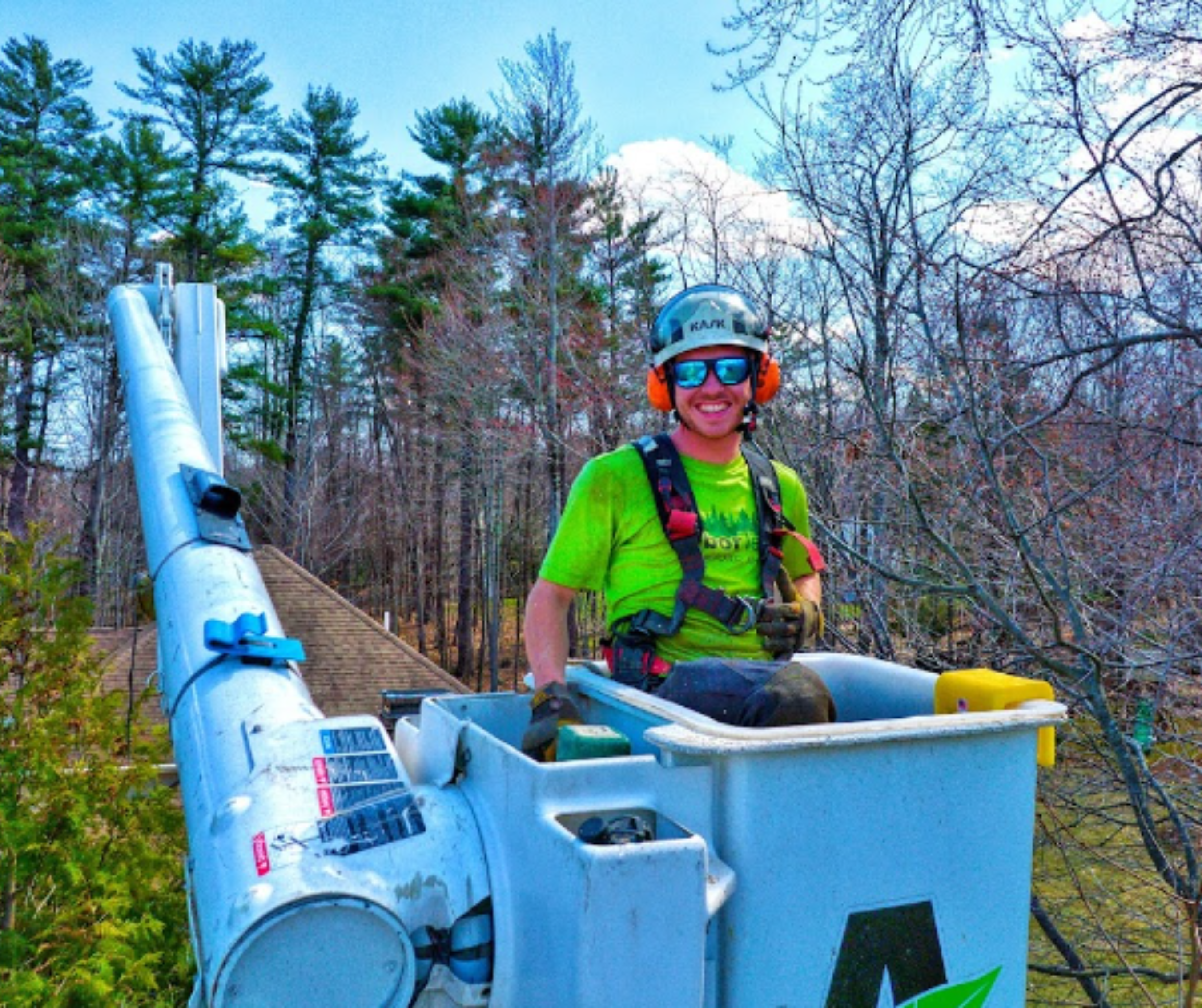
Planting the right tree in the right place pays off for decades. In the Lakes Region, our winters are cold, our summers can be humid, and soils vary from one town to the next. Picking species that handle those conditions means less trouble and more enjoyment. Whether you are in Center Harbor, Tilton, or along the shore in Gilford, here is a practical guide to trees that do well here.
Why Match the Tree to the Place
A tree that struggles in our climate will need more care, get sick more often, and may not last. One that fits our weather and soil will grow steadily, look better, and add value to your property. You also avoid planting something that will outgrow its spot and later need expensive removal or constant pruning.
What Matters in the Lakes Region
- Cold hardiness: We can see temperatures well below zero. Trees must be able to survive our winters.
- Soil and moisture: Many areas have heavy or wet soil, especially near the water. Some trees handle wet feet; others need better drainage.
- Space: Consider how big the tree will get in 20 or 30 years, and whether it will clear the house, wires, and driveway.
- Shoreland rules: If you are on the water, shoreland protection rules affect what and where you can plant. It is worth checking before you dig.
Strong Performers for Inland Properties
These species handle Belknap County and surrounding towns well. They are familiar in our area and generally reliable.
Shade Trees
Red maple. One of the most adaptable trees in the region. Tolerates wetter soil and still does fine in average conditions. Fall color is reliable. Give it room; it can reach 40 to 60 feet tall and spread wide. A good choice for a larger yard in Laconia, Meredith, or Plymouth.
White oak. Slow growing but long lived. Handles dry, rocky spots that many other trees dislike. Strong wood and good form. Best where you have space and patience. Suits properties in Gilmanton, Barnstead, and similar areas.
American beech. Smooth gray bark and golden fall color. Prefers well drained soil and some shelter from the worst wind. Does well in mixed woods and larger lots. Avoid planting where the soil stays soggy.
Smaller Ornamental Trees
Serviceberry. Multi stem or single trunk. White flowers in spring, edible berries for wildlife, and nice fall color. Stays in the 15 to 25 foot range. Works well near patios or along driveways in Alton, Belmont, and Gilford.
Eastern redbud. Pink flowers in early spring before leaves. Stays under 30 feet. Prefers decent drainage and a bit of sun. A solid pick for a front yard or border where you want spring color without a huge tree.
Pagoda dogwood. Layered branches and white flowers. Tolerates some shade and stays small. Good under larger trees or at the edge of the woods. Fits smaller lots and naturalized areas.
Trees for Lakefront and Shoreland
Properties on Lake Winnipesaukee or other water bodies face extra rules and conditions. Soils can be wet, winds can be strong, and shoreland protection limits what you can do in the buffer. Choosing trees that belong in those settings keeps you in compliance and reduces maintenance.
Species That Handle Wet Soil and Shoreland
- Black gum. Tolerates wet soil and has outstanding fall color. Good for the back of the buffer or a low spot.
- Swamp white oak. As the name suggests, handles wetter ground. Strong and long lived. Use where you have room for a large tree.
- Eastern white pine. Our state tree. Grows in a range of soils. Give it full sun and space; it gets tall. Often used for screening and windbreaks away from the immediate shore.
- Red osier dogwood. Shrub that can be treated as a small tree. Tolerates wet soil and helps stabilize shorelines. Fits well in the vegetated buffer where regulations allow.
Before planting in the buffer zone, confirm species and placement with your town or the state. Shoreland protection rules vary by location and water body.
Planting and Follow Up Care
Getting the tree in the ground correctly matters as much as choosing the right kind.
Basics That Make a Difference
- Dig the hole wide, not overly deep. The root flare should sit at or just above the surrounding soil.
- Remove any wire basket, burlap, or plastic from the root ball once the tree is in the hole. Do not leave roots in a cramped ball.
- Water regularly for the first year or two, especially in dry spells. A few gallons per week is a good starting point for a new tree.
- Mulch in a wide, shallow ring (not piled against the trunk) to hold moisture and limit weeds.
Long Term Care
Young trees benefit from pruning to build a strong shape. Removing crossing branches and weak forks early can prevent big problems later. If you are not sure how to prune, a local tree care team can set your tree up for a healthy future.
Summary
Pick trees that are cold hardy, suited to your soil and moisture, and sized for the space. Red maple, white oak, and American beech are reliable for larger inland sites. Serviceberry, redbud, and pagoda dogwood work well in smaller yards. Near the water, consider black gum, swamp white oak, and species that tolerate wet soil, and always follow shoreland protection rules. Plant correctly, water when young, and plan for occasional pruning. You will get more out of your trees and fewer headaches down the road.
Want Advice on What to Plant on Your Property?
We can help you choose species and placement for your Lakes Region or Belknap County property.