Branch Dieback on Shoreline Maples After a Dry Stretch
Dieback on a maple is often a delayed drought signal, not a new disease overnight. We separate root stress from unrelated pruning mistakes before anyone plans removal.
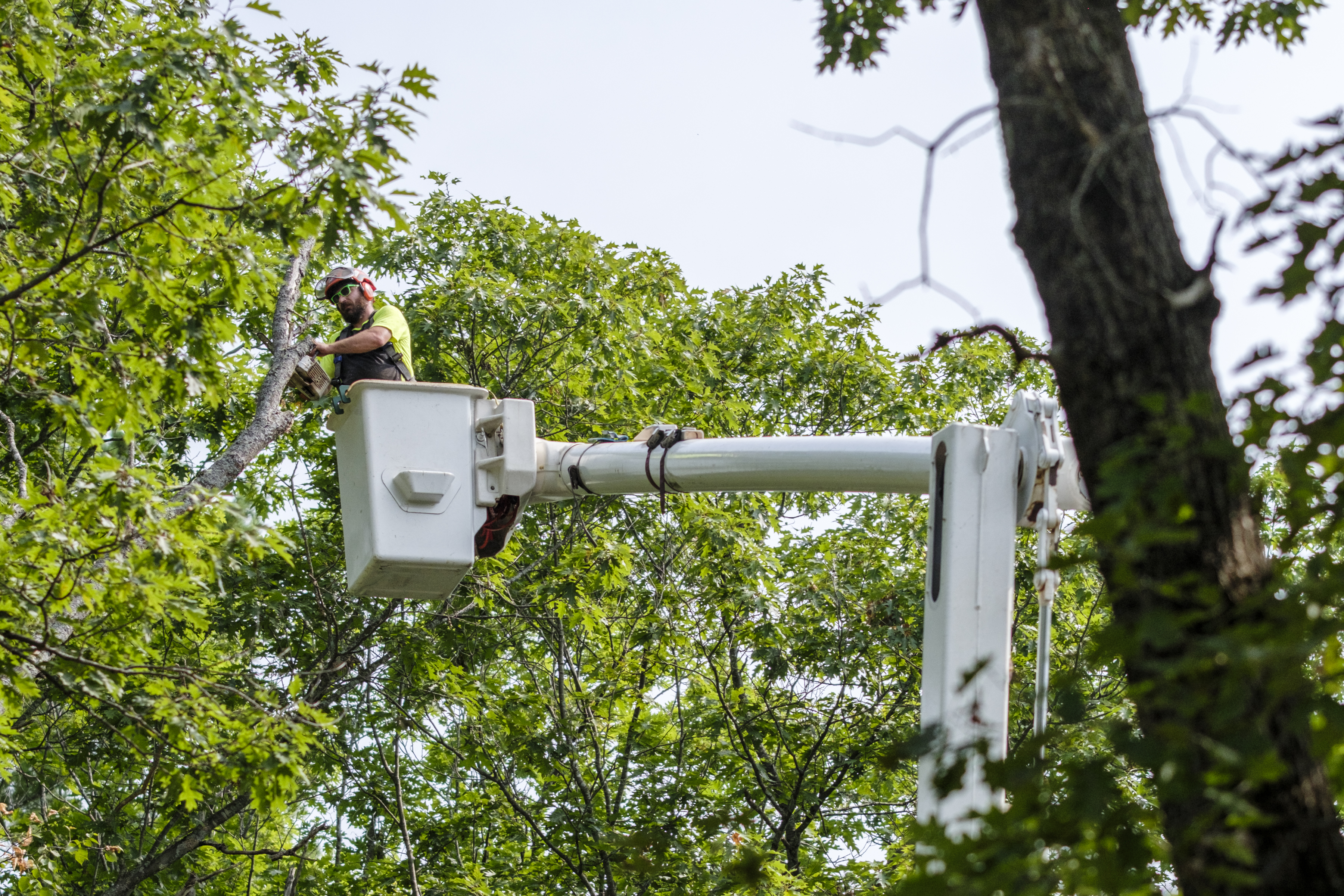
Why shoreline maples lag after rain returns
Red and sugar maples on Laconia and Gilford shore strips often color from the tips inward weeks after soil rewets. Lawn irrigation can green turf while feeder roots under compacted sand still recover. We treat branch dieback as a delayed stress read on shoreland lots, not as automatic failure.
Photograph dieback from two sides and note whether the trunk flare sits below mulch. Dry August followed by September rain is a common Lakes Region curve that confuses owners who expect instant recovery. More seasonal context lives on the blog.
Interior twig death with live buds lower on the scaffold may still be drought hangover. Cambium graying on multiple leaders changes the conversation toward health review before anyone discusses takedown.
Field notes from each visit help the next owner understand what changed on the lot without guessing from memory alone. ArborTech NH serves the New Hampshire Lakes Region with tree removal, pruning, stump grinding, and crane work when site conditions require it.
Reading dieback against root zone facts
Driveway reroutes, stone steps, and mooring paths all steal root volume without removing the tree. We probe for buried flare, circling roots, and rodent injury before blaming weather alone. Tree pruning of truly dead wood is separate from diagnosing live decline.
Compare the same tree from the water side and the road side. Lake splash and salt on the lower bank can stress one face while the other still holds green. Note irrigation heads that wet bark nightly.
When soil over roots is tight enough to dent a screwdriver, compaction belongs in the report. Contact with wide and close photos speeds that first read.
Field notes from each visit help the next owner understand what changed on the lot without guessing from memory alone. ArborTech NH serves the New Hampshire Lakes Region with tree removal, pruning, stump grinding, and crane work when site conditions require it.
Pruning choices while the tree still has live tissue
Selective removal of dead branches reduces end weight and decay entry points. Shearing the crown to force new leaves does not rehydrate roots. We count live bud clusters before recommending reduction scope.
Clearance to roofs and docks may still require trimming live wood when hangers are present. Those cuts should be small and placed at the collar, not as stubs that invite rot.
Related hardware on co-dominant stems is rare on young maples but common on older shore specimens. Inspection may accompany pruning when splits already show at a fork.
Field notes from each visit help the next owner understand what changed on the lot without guessing from memory alone. ArborTech NH serves the New Hampshire Lakes Region with tree removal, pruning, stump grinding, and crane work when site conditions require it.
When removal is narrower than nursing a thin crown
Multi-leader maples with cambium loss over much of the circumference may not justify years of decline beside a roofline. We state that plainly when field evidence supports it. Tree removal on tight shores may need crane staging mapped first.
Young maples with reversible collar burial deserve exposure and mulch correction before removal talk. Age and target under the tree change the tolerance for uncertainty.
Stump plans should name what gets planted next if the tree leaves. That documents grind depth for for the following spring.
Field notes from each visit help the next owner understand what changed on the lot without guessing from memory alone. ArborTech NH serves the New Hampshire Lakes Region with tree removal, pruning, stump grinding, and crane work when site conditions require it.
What owners can log through fall and winter
Mark the same scaffold branch with tape each month. Note whether dieback advances toward the trunk or stalls at dead tips. Snow load on thin crowns is a secondary hazard on lake wind sites.
Avoid piling snow from the roof against the trunk base. That adds salt and compaction to a root zone already stressed from the dry spell.
Share town name, species if known, and dates when the lawn looked dry. Call 603-491-5183 or use contact with those notes.
How ArborTech NH uses the visit
We pair crown reads with root collar checks and soil clues on service areas around Winnipesaukee and Squam. Watering advice follows what the flare and compaction story support.
Dieback after drought is manageable when structure is sound and targets allow monitoring. We document what would trigger the next step before ice season.
The goal is a maple you can explain to the next owner without guessing from one branch photo alone.
Need a Lakes Region tree visit?
Send photos and notes, then request an estimate. We will explain what we can confirm and what comes next.