Cabling and Bracing Supports a Tree. It Does Not Freeze the Tree in Time.
Support hardware helps a living tree. Growth, storms, and new targets mean it still needs a review schedule.
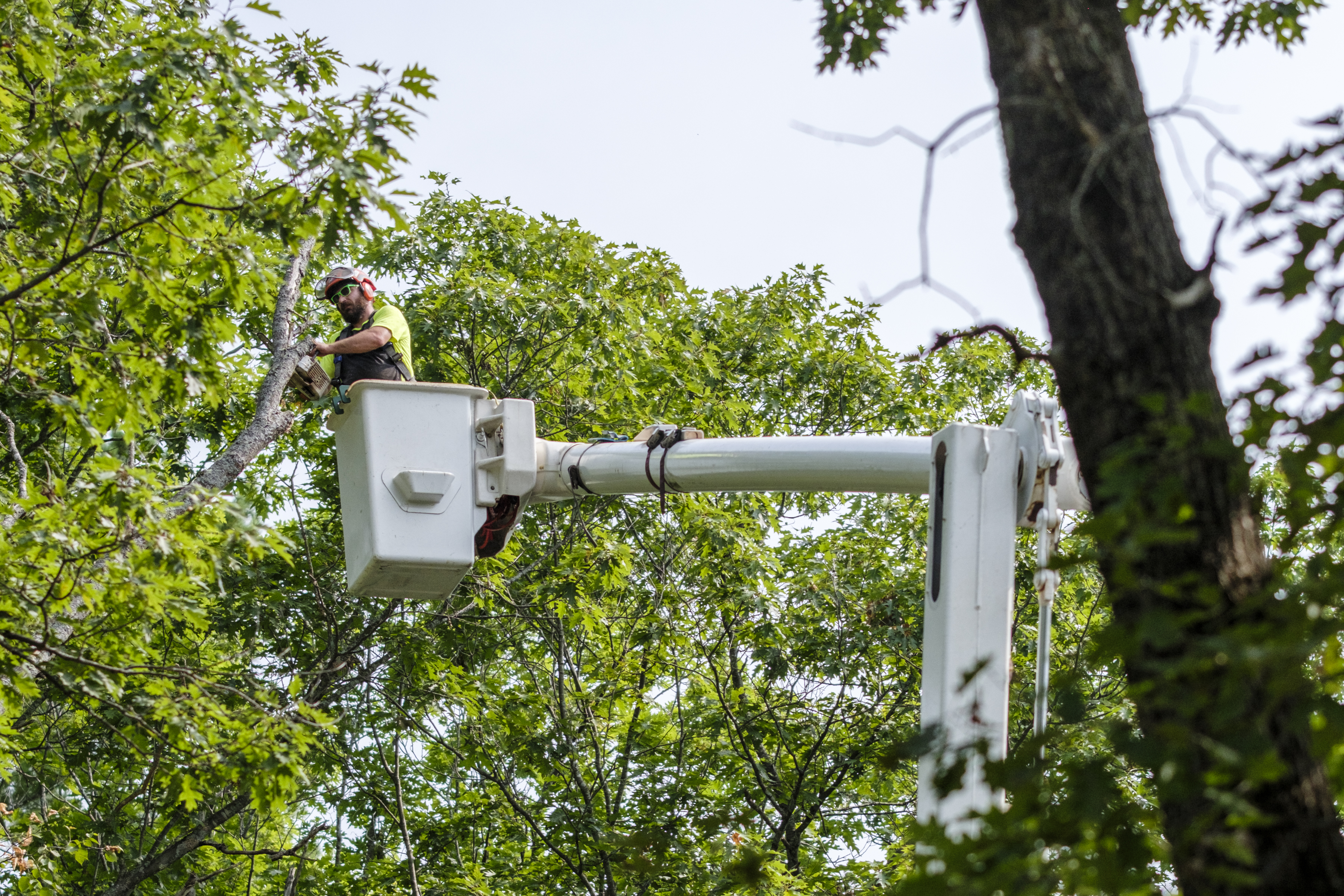
Cabling and bracing can support a weak union or a long limb that reaches toward a roof or dock. It does not freeze the tree at the size it was on install day. Wood keeps adding around hardware. Storms keep testing the system. Property changes keep moving targets under the canopy. Treating the hardware as a set and forget fix is how support systems go out of date.
ArborTech NH evaluates support hardware as part of ongoing tree care across the Lakes Region. This article explains what cabling and bracing do, what they do not do, and what belongs in a simple inspection history so the next visit starts with facts instead of guesswork.
Support hardware is a maintenance system
A cable or brace shares load between stems or supports a limb that would otherwise fail. It is sized and placed for the tree as it exists on that day. As the trunk adds wood, attachment points change. Hardware that was correct five years ago can sit too tight, too loose, or partially buried in new growth. That is normal tree biology, not a failure of the original install.
Inspection should look at tension, anchors, hardware condition, and how the supported stems are moving in wind. Casual tightening by a homeowner is not the same as an arborist evaluation. A support system that needs adjustment should be documented the same way you would document a major pruning cut: date, tree, finding, and next review.
What to record when you already have cables
Before a visit, gather what you can without climbing:
- Approximate install year if known
- Storm history that loaded the tree hard
- Photos of visible hardware and the fork or limb it supports
- Nearby targets such as a roof, dock, drive, or play area
- Recent pruning or construction under the drip line
Unknown install dates are fine. An unknown is better than a guessed year. We can inspect what is present and attach measured notes to the same property file. Browse prior work and homeowner feedback in testimonials when you want a sense of how larger structural jobs are discussed on site.
Storm history and pruning change the recommendation
A tree that rode out a heavy ice or wind event may need a different next step than a quiet tree with aging hardware. Likewise, heavy pruning after cabling can change how load moves through the crown. Keep those as separate observations. Do not force one story if the hardware looks fine but a new crack opened after a storm, or if the hardware looks tired but the crown is sound.
Sometimes the honest answer is more support maintenance. Sometimes it is structural pruning. Sometimes it is removal when the tree or the targets no longer justify keeping the risk. Those decisions belong after eyes on the tree, not after a hardware catalog page. For difficult access or heavy wood near structures, crane services and tree removal may enter the same conversation.
What cabling does not automatically include
Installing or inspecting a support system does not automatically include stump grinding, septic protection, landscape restoration, or a full property tree inventory. Those are related jobs with their own scopes. Lake lots in our service area often need that separation because one contractor may handle the tree while another handles grade or plantings afterward.
If the property is an island or hard-access shore lot, access planning still comes first. Read tree work on a Winnipesaukee island when boat staging shapes the day, and keep shoreland questions in the file when work sits near the water.
Leave a closeout the next arborist can use
After any cabling or bracing visit, save the tree identity, what was installed or adjusted, hardware notes, and the recommended review interval. Photos of attachment points help when new wood starts to cover hardware. Property managers and seasonal owners especially need that file outside one person inbox.
Call 603-491-5183 or request an estimate when you want a Lakes Region arborist to evaluate an existing support system or discuss whether support still fits the tree. More reading is on the blog, including how company credentials frame larger structural work in our TCIA accreditation note.
Have Existing Cables or Braces to Review?
Share install notes if you have them, plus photos of the hardware and nearby targets.