Identifying and Managing Common Tree Diseases in the Lakes Region
A comprehensive guide to recognizing, treating, and preventing the most prevalent tree diseases affecting New Hampshire properties, with specific focus on species common to Belknap County and the Lakes Region.
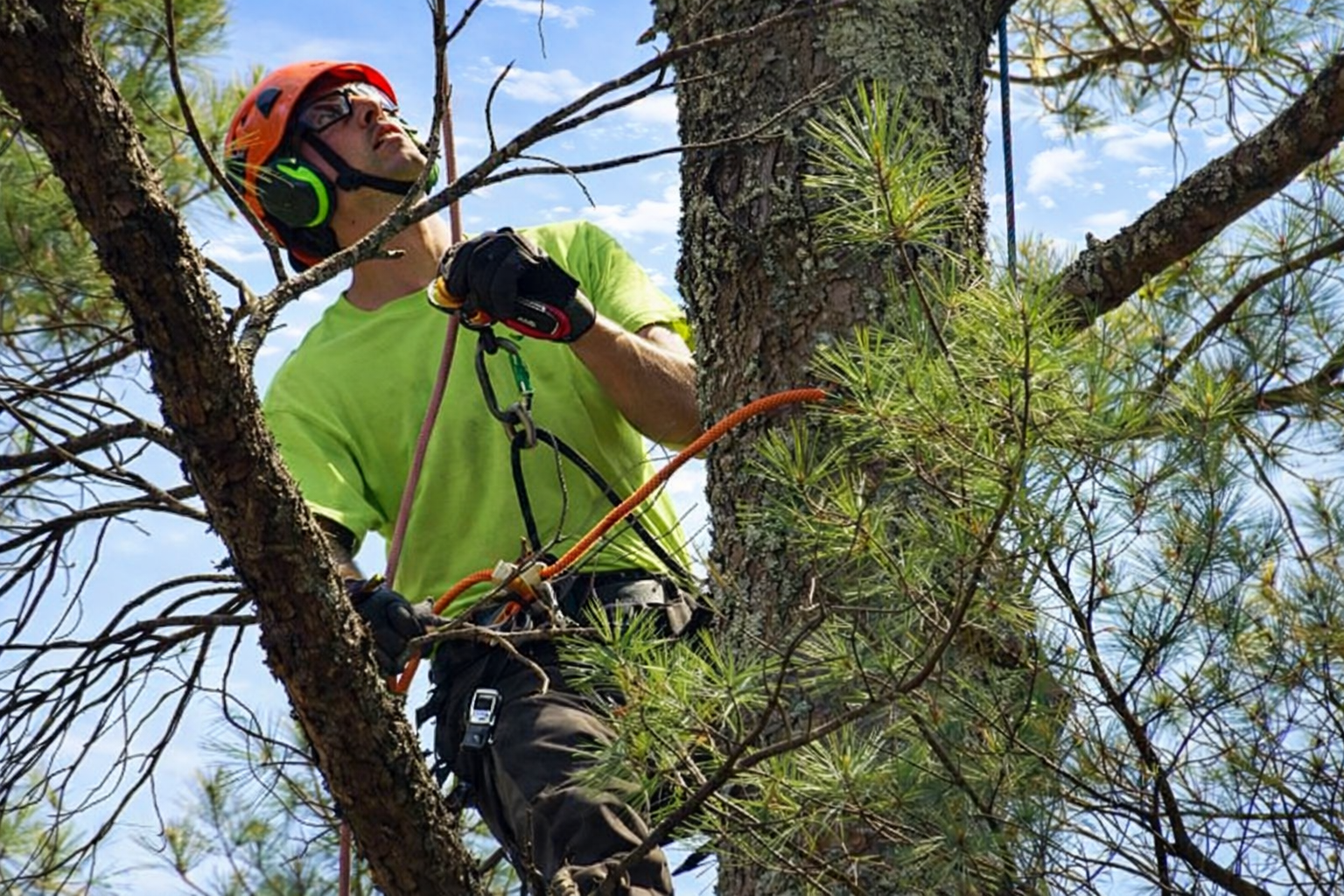
Tree diseases present significant challenges for property owners throughout New Hampshire's Lakes Region. The unique combination of climate conditions, soil types, and tree species diversity in Belknap County creates an environment where certain pathogens thrive. Understanding how to identify, manage, and prevent these diseases enables homeowners to protect their valuable trees and maintain healthy landscapes.
Understanding Disease Development in New Hampshire Climates
New Hampshire's climate, characterized by cold winters, humid summers, and significant temperature fluctuations, creates conditions favorable for various fungal, bacterial, and viral pathogens. The Lakes Region's proximity to large water bodies adds additional moisture that can contribute to disease development, particularly for foliar diseases and root rot pathogens.
Environmental Factors Contributing to Disease
Several environmental factors specific to New Hampshire influence disease prevalence and severity:
- Humidity Levels: High humidity during summer months creates ideal conditions for fungal spore germination and spread
- Temperature Fluctuations: Spring and fall temperature variations stress trees, making them more susceptible to infection
- Soil Moisture: Poor drainage common in glacial till soils creates conditions favorable for root rot diseases
- Winter Injury: Cold damage creates entry points for canker and decay fungi
Fungal Diseases Common to New Hampshire Trees
Fungal pathogens represent the most significant disease threat to trees in the Lakes Region. Understanding their life cycles, symptoms, and management strategies is essential for effective tree care.
Anthracnose Diseases
Anthracnose affects numerous tree species throughout New Hampshire, with maple, oak, and ash trees being particularly susceptible. This disease group, caused by various Colletotrichum and related fungi, produces distinctive symptoms that property owners can recognize.
Symptoms:
- Irregular brown or black spots on leaves
- Premature leaf drop, often beginning in lower branches
- Twig dieback and canker formation on small branches
- Defoliation that may occur in waves throughout the growing season
Management Strategies:
- Rake and remove fallen leaves to reduce overwintering inoculum
- Prune affected branches during dry weather to improve air circulation
- Apply fungicide treatments when warranted, typically in early spring before bud break
- Maintain tree vigor through proper fertilization and watering
Powdery Mildew
Powdery mildew affects a wide range of ornamental and shade trees in New Hampshire. While rarely fatal, severe infections can weaken trees and reduce aesthetic value. The disease appears as white or gray powdery growth on leaf surfaces, stems, and sometimes flowers.
Common host species include lilac, crabapple, oak, and maple. The disease thrives in conditions with high humidity but also requires dry leaf surfaces for spore germination, creating a unique environmental niche.
Prevention and Control:
- Select resistant cultivars when planting new trees
- Improve air circulation through strategic pruning to reduce humidity around foliage
- Apply fungicides preventatively for high value specimens
- Remove severely infected plant material to reduce spore production
Root Rot Diseases
Root rot diseases, caused primarily by Armillaria and Phytophthora species, represent serious threats to tree health in New Hampshire. These diseases are particularly problematic in poorly drained soils common throughout the Lakes Region.
Armillaria Root Rot:
This disease, also known as shoestring root rot, affects conifers and hardwoods. Symptoms include gradual crown decline, reduced growth, and eventual tree death. Diagnostic features include white mycelial fans under bark, honey colored mushrooms at the base of infected trees, and black rhizomorphs resembling shoestrings in soil.
Phytophthora Root Rot:
This water mold pathogen causes root decay and crown decline. Symptoms often mimic drought stress, with wilting, yellowing leaves, and branch dieback. The disease spreads through water movement, making it particularly problematic in areas with poor drainage.
Management Approaches:
- Improve soil drainage through grading and installation of drainage systems
- Avoid overwatering, which creates conditions favorable for disease development
- Remove infected trees to prevent spread to adjacent healthy trees
- Consider professional removal when root decay leaves a tree unstable and leaning toward structures
Bacterial Diseases Affecting New Hampshire Trees
While less common than fungal diseases, bacterial pathogens can cause significant damage to certain tree species. Understanding these diseases helps property owners recognize problems early and implement appropriate management strategies.
Fire Blight
Fire blight, caused by Erwinia amylovora, affects members of the rose family, including apple, pear, and various ornamental species. The disease produces dramatic symptoms that give it its name: affected branches appear scorched, as if burned by fire.
Symptoms Include:
- Sudden wilting and blackening of blossoms
- Shoot tips that curl and turn black in a characteristic shepherd's crook pattern
- Cankers on branches and trunks that ooze bacterial exudate
- Rapid progression through the tree during warm, humid weather
Control Measures:
- Prune infected branches at least 12 inches below visible symptoms during dry weather
- Disinfect pruning tools between cuts to prevent spread
- Avoid excessive nitrogen fertilization that promotes succulent growth susceptible to infection
- Apply copper based bactericides during bloom period for high value trees
Viral and Phytoplasma Diseases
Viral and phytoplasma diseases, while less common, can cause significant problems for certain tree species. These pathogens often produce symptoms that mimic other problems, making diagnosis challenging without laboratory testing.
Ash Yellows
This phytoplasma disease affects white ash and green ash trees throughout New Hampshire. Symptoms include yellowing leaves, reduced growth, premature fall coloration, and eventual tree decline. The disease spreads slowly but inevitably leads to tree death.
Management focuses on maintaining tree vigor and removing severely affected trees to prevent spread, though the disease vector remains poorly understood.
Integrated Disease Management Strategies
Effective disease management requires an integrated approach that combines cultural practices, biological controls, and when necessary, chemical treatments. This holistic strategy addresses disease from multiple angles, reducing reliance on any single management tool.
Cultural Practices for Disease Prevention
Many disease problems can be prevented or minimized through proper cultural practices:
- Proper Planting: Select appropriate species for site conditions and plant at correct depth
- Water Management: Water trees deeply but infrequently, avoiding overhead irrigation that wets foliage
- Fertilization: Maintain adequate but not excessive nutrient levels to promote tree vigor
- Sanitation: Remove and destroy diseased plant material to reduce inoculum levels
- Pruning: Maintain proper tree structure through professional pruning that improves air circulation and reduces disease pressure
Chemical Control Options
When cultural practices prove insufficient, chemical treatments may be necessary. These should be applied by licensed professionals who understand proper timing, application methods, and environmental considerations.
Fungicide applications are most effective when applied preventatively, before disease symptoms appear. Treatment timing varies by disease and tree species, requiring knowledge of pathogen life cycles and host phenology.
Recognizing When Professional Assessment Is Needed
While many tree health issues can be managed by informed property owners, certain situations require professional evaluation by certified arborists. These include:
- Rapid disease progression that threatens tree survival
- Diseases affecting large, high value trees
- Uncertain diagnosis requiring laboratory confirmation
- Diseases that may spread to other trees or properties
- Safety concerns when diseased trees pose hazards to structures or people
Certified arborists bring specialized knowledge of tree pathology, diagnostic techniques, and treatment options. They can develop comprehensive management plans that address immediate disease concerns while promoting long term tree health.
Disease Prevention for New Plantings
Preventing disease problems begins with proper tree selection and planting practices. When establishing new trees on Belknap County properties, consider these factors:
- Select disease resistant cultivars when available
- Choose species well adapted to New Hampshire's climate and soil conditions
- Plant trees in locations with appropriate sunlight, drainage, and space for mature size
- Inspect nursery stock carefully for signs of disease before purchase
- Provide proper care during establishment to promote vigorous growth
Conclusion
Tree diseases present ongoing challenges for property owners throughout New Hampshire's Lakes Region. However, through understanding disease biology, recognizing symptoms early, and implementing integrated management strategies, homeowners can protect their trees and maintain healthy landscapes. Regular monitoring, proper cultural practices, and professional assessment when needed form the foundation of effective disease management.
If you're concerned about tree health issues on your property or need professional diagnosis and treatment recommendations, contact ArborTech NH. Our certified arborists have extensive experience identifying and managing tree diseases specific to New Hampshire's unique environmental conditions.
Need Professional Tree Disease Diagnosis?
Our certified arborists can identify tree health problems and develop effective treatment plans to protect your trees.