Do You Need a Tree Removal Permit in New Hampshire?
A tree removal permit in New Hampshire is sometimes required and sometimes not. That sounds vague, but it is the honest answer: there usually is not one single statewide permit for every backyard...
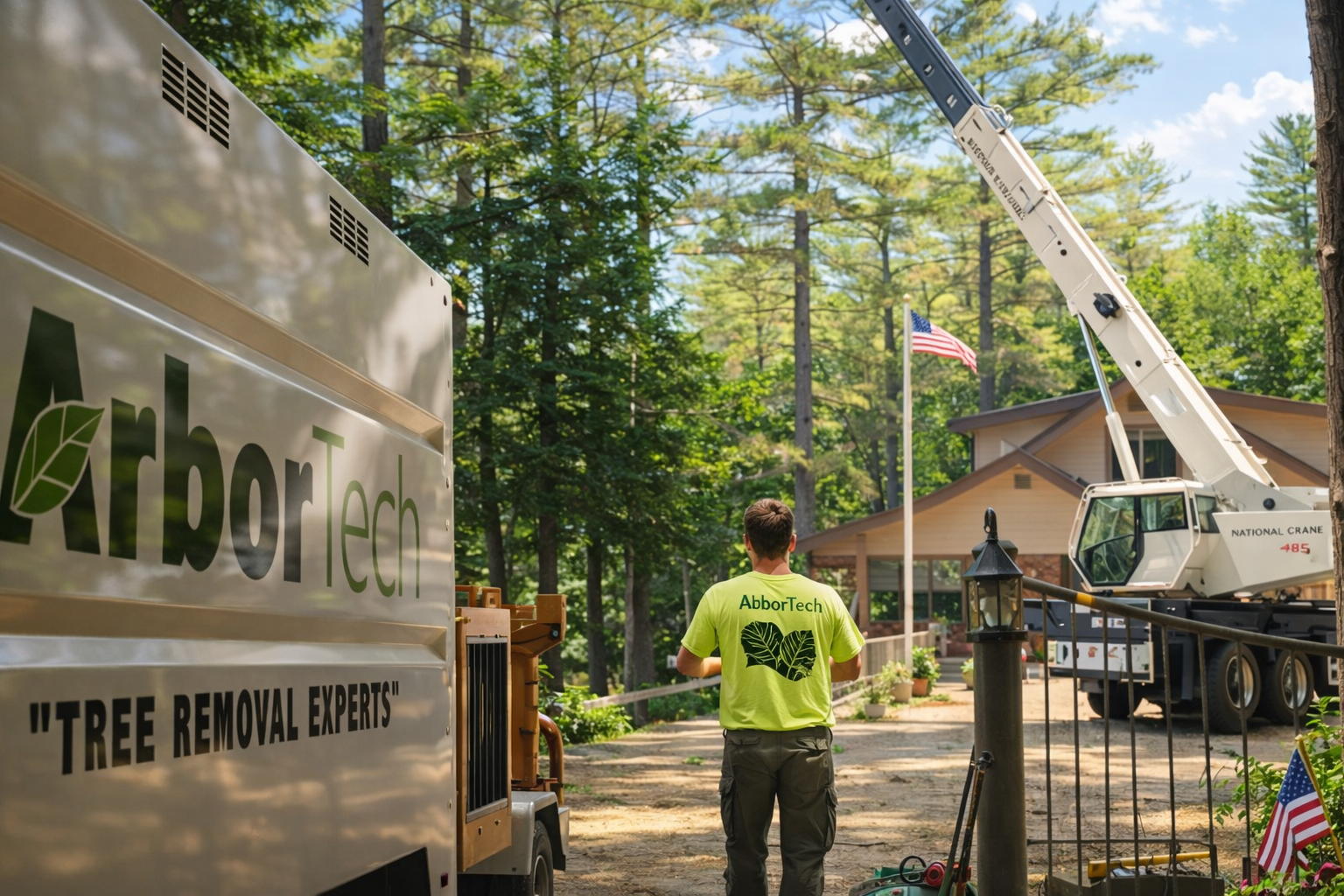
A tree removal permit in New Hampshire is sometimes required and sometimes not. That sounds vague, but it is the honest answer: there usually is not one single statewide permit for every backyard tree, and the real rule depends on where the tree sits, what kind of property you have, and whether shoreline, wetlands, roads, utilities, or local ordinances are involved.
Do you need a tree removal permit in new hampshire?
In most ordinary cases, you do not need a statewide tree removal permit just to remove a tree from your own yard in New Hampshire. But that simple answer changes fast if the tree is near water, tied to construction, close to a road or utility line, or covered by a town rule, deed restriction, or conservation limit.
Here’s the thing: tree rules work a lot like parking signs in a downtown block. One space looks just like the next until you notice one says resident only, another says loading zone, and another says no parking after 4 p.m. A tree in the middle of a dry backyard is one thing. A tree near a pond, in a right-of-way, or inside a development review area is a different story.
When a tree removal permit is usually required
A permit or some form of approval is usually required when the tree falls into a regulated area or the removal is part of a larger project. This is where people get tripped up, because the tree itself is not always the issue. The location is.
Trees in shoreland or wetland protected areas
Trees near lakes, ponds, rivers, streams, and wetlands often face stricter rules. In plain English, shoreland protection means land near certain water bodies gets extra oversight so cutting, grading, and building do not damage water quality, slopes, or habitat. New Hampshire’s shoreland rules can apply within protected areas near public waters, and work in those zones may need review through state environmental programs (New Hampshire Department of Environmental Services Shoreland Program).
That matters in real life. A maple in the middle of your lawn in Manchester may be routine. A similar maple near Lake Winnipesaukee can trigger a very different process because the state treats shoreline disturbance more carefully.
Wetlands add another layer. If removal affects a wet area, bank, or adjacent ground disturbance, permits may come into play through wetland regulations (New Hampshire DES Wetlands Bureau).
Trees tied to construction, septic, or land development
If tree removal is part of building a house, adding a driveway, installing a septic system, clearing for grading, or subdividing land, permit review often gets folded into that bigger project. Instead of a standalone tree permit, you may deal with planning board review, zoning approval, a building permit, or septic approval.
This is common in towns where site plans show what gets cleared and what stays. If your project changes drainage, access, or site layout, officials often want the whole picture, not just the stump.
Street trees, public land, and rights-of-way
Trees along roads or near your frontage can be deceptive. A trunk can look like it belongs to your yard and still sit in a public right-of-way or on town property. If that is the case, you usually cannot remove it or heavily prune it on your own.
The catch is that frontage is not the same thing as ownership. Road layout records, right-of-way widths, and utility easements can put a tree under public control even when it feels like part of your lawn.
Protected local trees or conservation restrictions
Some towns add rules beyond state law. A local ordinance, zoning condition, HOA rule, or conservation easement can limit removal, require approval, or require replacement planting. If your deed includes a conservation restriction, that can matter just as much as a town code.
Private property does not automatically mean anything goes. That is the direct point worth remembering.
When you probably do not need a permit
Now for the part most property owners want to hear.
Ordinary removal on private residential property
If a tree is fully on your private residential property, outside shoreland and wetland protected areas, not part of a construction permit, and not in a right-of-way, a permit often is not required. Many routine removals for safety, access, or landscaping fall into this category.
That is why plenty of homeowners in New Hampshire remove a declining birch, open up space for sunlight, or clear a tree leaning over a shed without dealing with a state permit at all. But local rules still matter, so “usually no” is not the same as “never check.”
Emergency removals after storm damage
Emergency work is often handled differently, especially after wind, ice, or heavy snow. If a tree is split, hanging over your house, blocking a driveway, or tangled in service lines, immediate safety work may need to happen before paperwork catches up.
Still, emergency status is not a free pass in every regulated area. Some locations require follow-up documentation, photos, or notice after the fact, especially near wetlands, shoreland zones, or public infrastructure. If you can safely snap a few photos before cleanup starts, do it. That small step can save a big headache later.
How to find the right rule for your property
The fastest path is not bouncing between six offices and hoping somebody finally says yes. Start with the office most likely to know your parcel.
Start with your town or city hall
Your town or city hall is usually the first call. Building, planning, zoning, code enforcement, or public works offices can often tell you whether tree work on your property needs approval.
This varies by location. The answer in Concord may not match the answer in Portsmouth, and a smaller town may handle things differently again. That is normal. Local land use rules in New Hampshire are not perfectly uniform.
Check state agencies if water, wetlands, or septic are involved
If the tree is near protected water, wetlands, or part of septic or site work, state review may matter. The New Hampshire Department of Environmental Services is the agency most likely to come up for shoreland, wetlands, and subsurface permitting.
You do not need to memorize agency charts. Just know this: if water, wet ground, or septic plans are part of the job, state rules may be in play.
Confirm property lines and utility issues before any work starts
Before any cutting starts, confirm where your property actually ends and where utilities run. Guessing at lot lines is one of the fastest ways to turn a simple tree job into a neighbor dispute.
The same goes for utilities. Overhead service lines and buried infrastructure can make removal dangerous or expensive. For underground lines, New Hampshire property owners and contractors can request utility marking through Dig Safe. For overhead lines, your electric utility may need to be involved before any arbor work begins.
What the permit process usually looks like
Permit review sounds worse than it usually is. In many cases, it is just a short prep list with a few documents attached.
Information you may need to submit
Most permit offices want the basics: your property address, where the tree is located, how many trees are involved, and why removal is needed. You may also need photos, a rough site plan, notes about nearby water or roads, and the tree species if you know it.
Think of it like giving directions to someone who has never seen your lot. The clearer the picture, the faster the answer.
Review timelines, fees, and possible conditions
Some approvals happen quickly at the counter or by email. Others take longer if planning, conservation, or public works staff need to review the job.
Fees can be small or tied to a larger development application. Approval can also come with conditions, such as erosion control, limits on when work can happen, or instructions to avoid disturbing nearby areas.
Replanting or replacement requirements
In some cases, removal approval comes with a replacement requirement. That is especially common in development-related permits, regulated shoreline work, or local tree ordinances.
You may also hear the word mitigation. In plain English, that just means replacing what was lost in some form, often through replanting or site restoration.
Common mistakes that cause problems
Most permit trouble comes from assumptions, not bad intentions.
Assuming “It’s on my land” means no rules apply
Ownership matters, but it does not erase shoreline rules, wetland buffers, right-of-way limits, or local ordinances. A tree can be on your land and still fall inside a regulated area.
That mistake is more common than it should be. And it gets expensive fast.
Removing a tree before checking the buffer or boundary
A few feet can change everything. If you guess at a wetland edge, shoreland setback, or lot line, you can accidentally turn ordinary tree work into a permit violation.
This is especially true on larger rural lots where boundaries are not obvious and near waterfront property where protected zones may not match what looks “close to the water.”
Hiring a tree company without asking about permits
Some tree companies help with permit questions. Some strictly handle the cutting. Never assume both sides mean the same thing.
Ask upfront who is confirming approvals, who is submitting paperwork if needed, and who is documenting emergency conditions. If that responsibility is not clear before the crew arrives, you are the one left sorting it out.
Frequently asked questions about tree removal permits in new hampshire
Do you need a permit to cut down a tree in your backyard in new hampshire?
Often no, if it is a standard tree on private residential property outside protected or locally regulated areas. But yes, permits or approvals can apply if the tree is near water, inside a right-of-way, or tied to development.
Do dead, diseased, or dangerous trees need a permit?
Sometimes, yes. A hazardous condition can speed up approval or justify emergency work, but it does not automatically erase permit rules in protected areas.
Who is responsible for getting the permit: you or the tree service?
Legal responsibility often stays with you as the property owner unless your contractor is specifically handling the permit. Get that responsibility in writing before work starts.
What happens if you remove a tree without a required permit?
Possible consequences include stop-work orders, fines, replacement planting, and delays for any related project. If the tree was in a regulated area, cleanup can become much more complicated than the original removal.
The easiest next step before you schedule tree work
Before you book the job, call your town office and ask one simple thing: is your property in a shoreland, wetland, right-of-way, or development review area? That one call can save you from fines, delays, and the kind of cleanup nobody wants after the tree is already on the ground.
Try that first. It is the easiest move you can make, and it can spare you a lot of trouble later.
Disclaimer: This article is for general informational purposes only. It is not professional advice, a quote, or a service agreement. Conditions at your home or property may differ; contact a qualified professional for an on-site evaluation before making repair, safety, or spending decisions.
Need a Lakes Region tree visit?
Send photos and notes, then request an estimate. We will explain what we can confirm and what comes next.