Emergency Tree Removal vs. Standard Service: Key Differences
A tree problem can go from annoying to dangerous in one loud crack. Emergency tree removal is for the moments you cannot wait, while standard service is the smarter pick when the issue is real but...
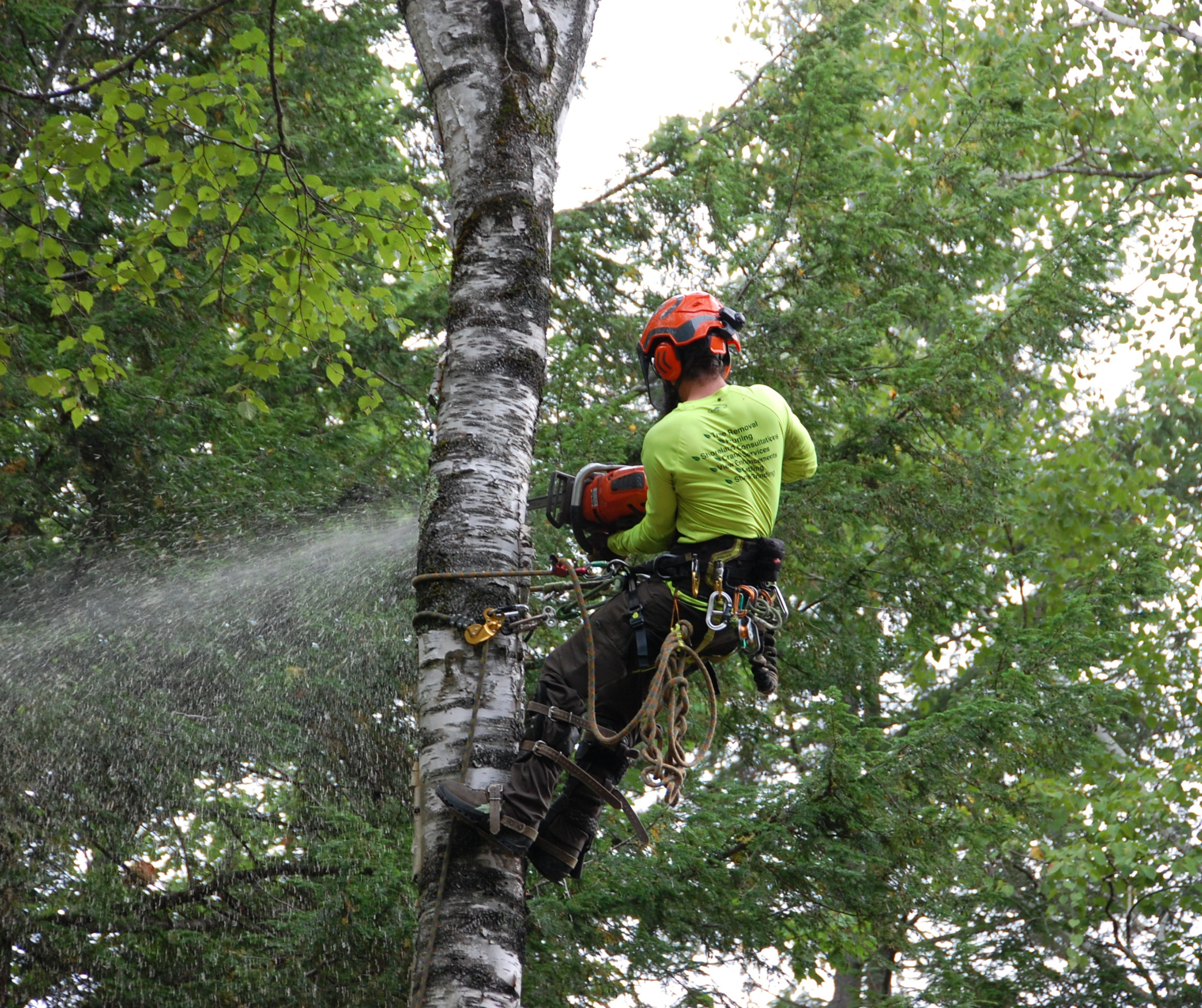
A tree problem can go from annoying to dangerous in one loud crack. Emergency tree removal is for the moments you cannot wait, while standard service is the smarter pick when the issue is real but stable.
Quick overview of emergency tree removal vs. standard service
Here’s the short version: emergency tree removal handles immediate hazards, and standard service handles planned work. If a tree is leaning over your driveway at 9 p.m. after a storm, that is an emergency. If a maple is blocking sunlight, dropping limbs now and then, or clearly declining over time, that is usually standard service.
That difference matters because the job changes fast once safety is on the line. Urgency affects response time, equipment, crew size, cost, and sometimes even who else needs to be involved.
Response time and scheduling
Emergency calls are built for speed. You can usually expect after-hours availability, same-day dispatch, or at least a fast triage to decide how dangerous the situation is. In a true emergency, the goal is to make the area safe first, then finish full removal if conditions allow.
Standard service works on a normal schedule. You book an estimate, pick a date, and the crew shows up during business hours. That slower pace is not a downside. It gives you room to compare quotes, plan access, and avoid rush pricing.
Safety risks and situations that qualify
A routine tree issue becomes an emergency when there is immediate risk to people, property, or access. A split trunk, a tree on your roof, large limbs hanging over a sidewalk, or a trunk touching power lines all belong in the urgent category. The same goes for blocked driveways, roads, and entrances.
Standard removal fits problems that are serious but not actively dangerous. Dead trees, disease, root issues, crowding, or a tree you simply want gone usually fall here. The trick is simple: if waiting a few days creates a real safety risk, treat it as emergency tree removal.
Equipment, crew size, and job complexity
Emergency work is usually messier. A storm-damaged tree can be twisted under tension, half on the ground, half in the canopy, and one bad cut can make it shift without warning. That often means more rigging, more safety setup, and sometimes a crane or traffic control.
Standard jobs are more controlled. The crew has time to plan the drop, stage equipment, protect landscaping, and work through the removal in a cleaner sequence. Same chainsaws, very different situation.
Cost differences and what drives the price
Emergency tree removal usually costs more. That is not just because somebody shows up fast. You are paying for urgency, higher risk, tougher working conditions, and often night, weekend, or storm-response timing.
Standard service is usually more budget-friendly because the work can be scheduled efficiently. Access can be planned, equipment can be matched to the job, and the crew is not walking into unstable conditions. If cost is your top concern and the tree is not dangerous right now, standard service wins.
Property damage, cleanup, and insurance questions
With emergency jobs, damage is often part of the story already. A tree may have hit a roof, crushed a fence, or dropped limbs across a garage. Cleanup tends to focus on making the property safe, removing debris, and separating tree work from repairs to the structure itself. Insurance may come into play when the tree causes sudden damage, though policy details vary.
Standard removals are usually simpler. You pay for the tree work, cleanup, and possibly stump grinding if you want it. There is less chaos, fewer surprises, and less chance that a claims adjuster needs to get involved.
Permits, utility issues, and local restrictions
Emergency work can move faster when there is immediate danger, but that does not mean rules disappear. If power lines are involved, the utility company may need to handle that part first. City crews or police may also step in if a road is blocked.
Standard service gives you more breathing room. You can check local permits, HOA rules, and any protected-tree restrictions before removal starts. That extra time saves hassle, especially in neighborhoods with tighter landscaping rules.
When to choose emergency tree removal
Choose emergency service when the tree has become a safety problem, not just a yard problem. That includes active storm damage, a tree leaning suddenly, major cracking, blocked access, or any threat to a home, business, car, or walkway.
Here’s the thing: waiting to “see what happens” is the wrong move when the tree is unstable. Trees do not usually get safer overnight.
When standard tree service is the better fit
Standard service is the better fit when the tree is troublesome but stable. Maybe roots are pushing into a driveway, the canopy is too crowded, or decline is obvious and you want to remove it before the next storm season. That is often the best time to act, honestly, because preventive work costs less and gives you options.
It also works better for landscape changes. If you want more light, more space, or a cleaner layout, a planned appointment keeps the process calm and far easier on your budget.
Pricing and value at a glance
| Factor | Emergency Tree Removal | Standard Service |
|---|---|---|
| Timing | Immediate or same-day | Scheduled ahead |
| Best for | Active hazards | Planned removals |
| Cost | Higher | Lower |
| Crew setup | Larger, more specialized | More efficient |
| Insurance involvement | More likely | Less likely |
| Budget control | Limited | Better |
The value tradeoff is straightforward. Emergency service costs more because it solves a dangerous problem fast. Standard service gives you more control, more time, and usually a cleaner price.
Verdict: which service wins for your situation?
Standard service is the better choice for most tree removals because it is cheaper, easier to schedule, and less stressful. But emergency tree removal is the right choice any time safety, access, or property damage is on the line. That is the deciding rule.
If a tree is unstable, cracked, fallen, or threatening something that matters, treat it like the urgent problem it is. If it is still standing safely and giving you time to plan, book standard service before it turns into the expensive version.
Disclaimer: This article is for general informational purposes only. It is not professional advice, a quote, or a service agreement. Conditions at your home or property may differ; contact a qualified professional for an on-site evaluation before making repair, safety, or spending decisions.
Need a Lakes Region tree visit?
Send photos and notes, then request an estimate. We will explain what we can confirm and what comes next.