Gilford Shoreline Trees: A Local Guide for Waterfront Owners
Gilford's mix of open lake fetch, seasonal traffic, and shoreland rules shapes how waterfront trees should be managed.
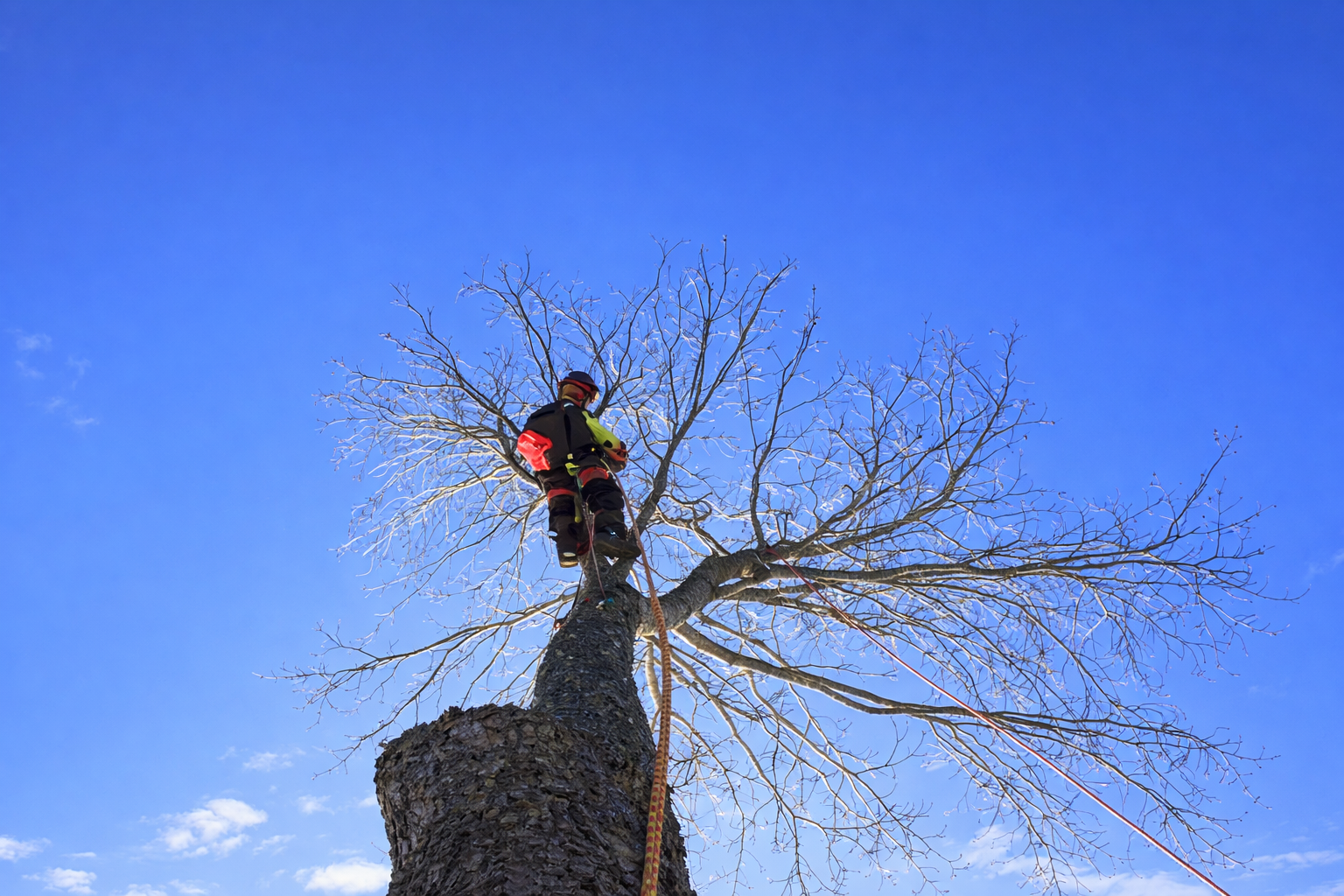
Gilford waterfront properties—from Smith Cove to broader Winnipesaukee frontage—share challenges that inland Belknap County lots do not. Steady wind off the lake, seasonal parking pressure, and shoreland buffer rules all influence when and how tree work should be done.
This local guide is for Gilford owners balancing safety, views, and compliance. It is not a substitute for site-specific assessment, but it reflects patterns we see repeatedly on Gilford lake lots when May turns into June and traffic accelerates.
Wind and Exposure
Trees on open bays carry full leaf sail from multiple directions. Species that do well inland may show more lean, dieback on the windward side, or repeated limb failure when exposed to fetch. Early summer is a good time to photograph crown balance before peak storms.
Orientation matters: a lot on a protected cove faces different loading than one on open main-lake fetch. Compare your trees to neighbors in similar exposure—not to sheltered yard trees inland on Route 11.
Signs Common on Gilford Waterfront Lots
- Asymmetric crowns weighted toward the water
- Repeated limb failure on the windward side
- Soil heaving inland on trees leaning toward the lake
- Low branches interfering with docks after full leaf
Buffers and Views
Many owners want better lake views while staying compliant with buffer requirements. Selective pruning and vista work differ from clearing. Our shoreland protection page explains how we approach compliant care.
View pruning should preserve tree health and stability—not create topped silhouettes that fail later. Professional vista work plans cuts over time when needed, especially on large shade trees framing the water.
Access and Staging
Narrow driveways, stone walls, and sloped lakefront make technical work common in Gilford. Crane-assisted removal and careful rigging protect lawns and structures when space is tight.
Mention access constraints early when you request an estimate: step width, wall openings, and where chip trucks can park. June scheduling fills quickly on Winnipesaukee; photos help us quote before a site visit.
Local Service and Related Reading
See our Gilford service area page for town-specific context. For view and safety pruning together, read more light and a safer yard.
Pair this guide with seasonal articles on lake shore wind, low water and exposed roots, and dock line clearance. Explore full services across pruning, removal, and emergency response.
Smith Cove and main-lake frontage differ in exposure and access—tell us which you have when requesting quotes so we plan equipment and shoreland scope appropriately.
Seasonal Traffic in Gilford
Route 11 corridor traffic and lakefront event weekends compress staging windows. Homeowners who book May and early June visits often avoid the July crunch when cranes and chip trucks compete for the same narrow driveways.
Many Gilford lots mix steep lakefront access with mature buffer trees. Mention stone steps, wall openings, and septic setbacks when scheduling so crews plan rigging before arrival.
Across Gilford, Meredith, Laconia, and other Belknap County communities we serve, the same seasonal pattern repeats: full leaves, lake wind, and crowded paths expose clearance and structure problems that looked minor in April. Professional pruning, shoreland-aware planning, and timely contact with photos keep small issues from becoming emergency removals when summer weather arrives.
See services for pruning, removal, crane work, and emergency response across the Lakes Region.
Summary
Gilford shoreline trees face open-lake wind, tight access, and shoreland rules that inland lots avoid. Photograph crown balance and clearance conflicts early in summer. Choose selective pruning and vista work over clearing when compliance and health allow. Plan technical removals with crane and rigging expertise when drop zones are narrow. Local context plus professional assessment keeps waterfront properties safer without sacrificing the trees that define the view.
Gilford Waterfront Tree Work?
ArborTech NH serves Gilford and surrounding Lakes Region communities.