How Long Tree Removal Takes, From Quote to Cleanup
If you’re asking how long does tree removal take, the honest answer is usually shorter on-site than you expect and longer on the calendar than you want. In many cases, the actual cutting happens...
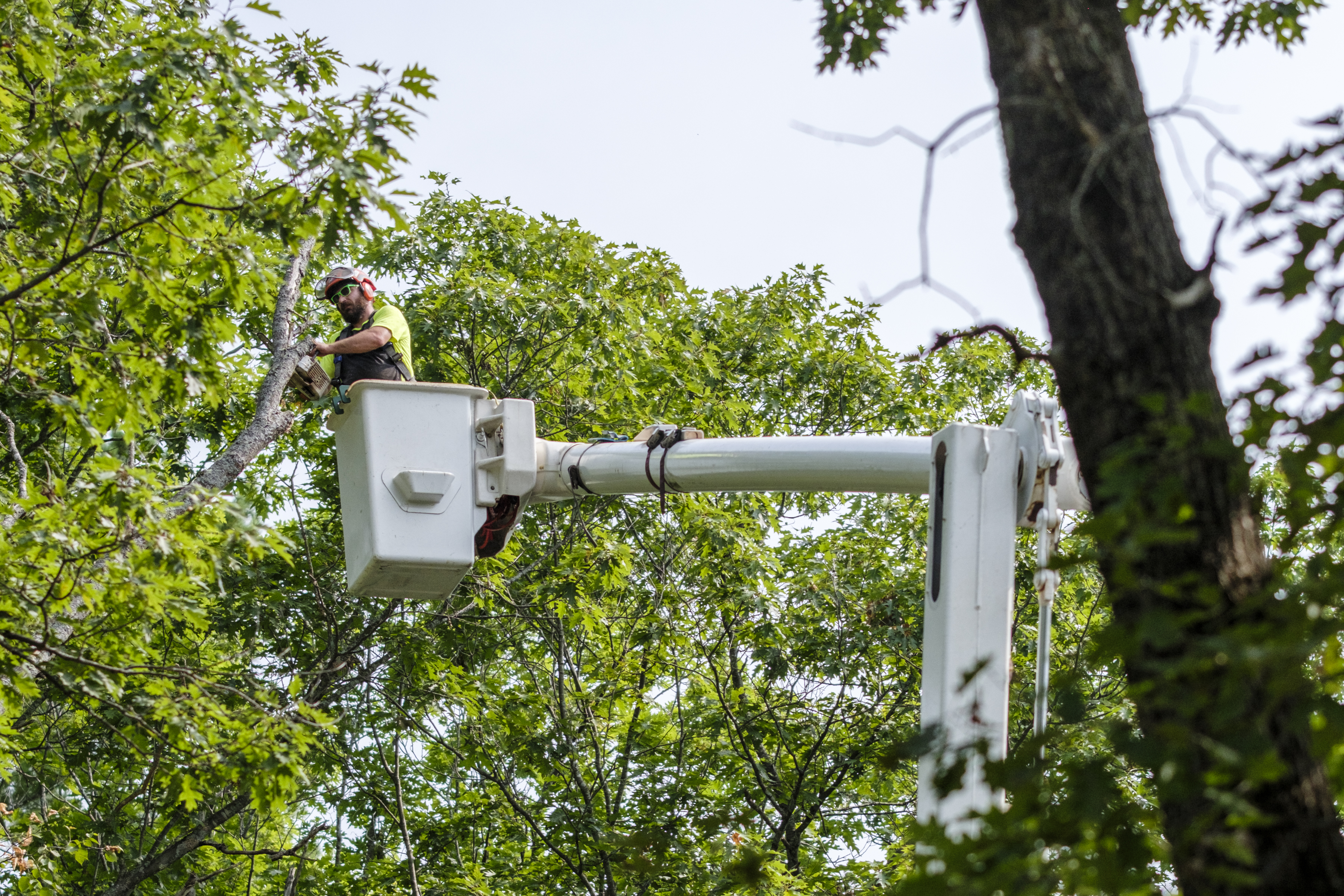
If you’re asking how long does tree removal take, the honest answer is usually shorter on-site than you expect and longer on the calendar than you want. In many cases, the actual cutting happens in a few hours, but the full process from quote to cleanup often stretches from a couple of days to two weeks or more, depending on access, permits, weather, and debris haul-away.
How long tree removal usually takes
For a normal residential job, the full timeline from first estimate to finished cleanup often lands somewhere between 3 days and 2 weeks. Sometimes it’s faster. Sometimes it drags out longer, especially after storms or in areas with permit rules. But that range fits a lot of real jobs.
Here’s the part that surprises most people: the cutting itself is often the shortest part. Standing in the yard while limbs come down feels like the main event, but planning the job, fitting it into the schedule, getting equipment in place, and hauling out brush and wood are what usually stretch the calendar.
Think of tree removal like moving a heavy couch out of a second-floor apartment. The actual lifting might take ten minutes. Figuring out the angle, clearing the hallway, and getting it down the stairs without smashing the wall is what eats the time.
A quick reality check on “same day” removals
Same-day tree removal does happen, but it’s the exception, not the rule.
Emergency jobs can move fast, especially if a tree is blocking a driveway, sitting on a roof, or hanging dangerously after a storm. In those cases, the first goal is often to make the site safe as quickly as possible. Full cleanup or stump work may still happen later.
For standard removals, booking a few days out to a couple of weeks is more normal. During storm season, that window can stretch. During calmer periods, a simple front-yard removal with easy truck access can get slotted in faster, especially if a crew has an opening between larger jobs.
What “tree removal” includes from start to finish
When you picture tree removal, you probably picture a saw and a falling trunk. That’s only part of it.
A full tree removal job usually starts with a site visit or quote. That’s when somebody checks the tree’s height, lean, condition, and location near structures, fences, driveways, utility lines, or landscaping. After that comes scheduling, and sometimes permit review or utility coordination.
On job day, the crew arrives, sets up safety zones, parks equipment, and decides how the tree will come down. Some trees can be felled in one direction. Many can’t. If the tree is close to anything valuable, sections get cut and lowered in pieces. Then brush gets chipped, logs get cut into rounds or loaded whole, the ground gets raked or blown clean, and the last of the debris gets hauled away.
That’s the real job. Not just the cut.
Tree removal vs. stump removal
Tree removal and stump removal are often treated as separate services, and that matters for timing.
In many jobs, “tree removal” means cutting down the above-ground portion of the tree and hauling away the debris. The stump stays unless you specifically add stump grinding or full stump removal. If you assume the stump is included and it isn’t, your timeline and your expectations are suddenly off.
Stump grinding is the more common add-on. Full stump and root removal is a bigger excavation job and usually takes more time, more mess, and sometimes a different machine.
Cleanup can take longer than you expect
Cleanup is where a lot of people lose track of time.
Once the tree is on the ground, there’s still a lot left to do: bucking logs into manageable sections, dragging brush to the chipper, loading rounds, raking twigs, blowing sawdust off the driveway, and making sure the yard is usable again. Protecting turf and avoiding damage can slow things down too, which is a good thing.
A very normal scene looks like this: by 1:00 p.m. the tree is already down, but at 4:30 p.m. the crew is still loading heavy rounds and doing the last pass with blowers. The visible tree disappears fast. The clean finish takes longer.
The typical timeline, stage by stage
If you want the process in plain calendar terms, here’s the usual flow: quote first, scheduling next, removal day after that, and stump work either bundled into the same visit or handled later. The exact dates shift, but the order usually doesn’t.
Getting the quote: often 15 to 60 minutes on site
Most estimates take 15 to 60 minutes on site, depending on the property and the tree.
During that visit, the estimator usually checks height, trunk diameter, lean, branch spread, signs of decay, nearby power lines, and the path for trucks or equipment. Access matters a lot. A wide driveway and open side yard can make a job straightforward. A narrow gate behind a fence can change the whole plan.
This is also where the removal method gets decided. Will the tree come down in one piece, in chunks, by climber, or with a bucket truck or crane? That answer has a direct effect on both timeline and cost.
Scheduling the work: often a few days to two weeks
Once you approve the estimate, the next stage is getting on the calendar. For many jobs, that means anywhere from a few days to two weeks.
Simple jobs sometimes get scheduled faster because they fit neatly into gaps. Tricky removals can take longer because they need the right crew, the right equipment, and enough daylight to finish safely. Weather matters too. So does demand. After a windstorm, even small removals can sit behind urgent damage calls.
The catch is that the schedule you get is often a window, not a minute-by-minute promise. Tree work depends on site conditions, changing forecasts, and whatever happened at the earlier stop that day.
Removal day: one hour to a full day, sometimes longer
On-site removal can take as little as an hour for a tiny, open-yard tree or a full day for a large, technical removal. Some jobs run longer than a day, especially if there are multiple trees, crane work, or difficult access.
“Removal day” also includes more than cutting. The crew needs time for setup, safety checks, rigging, climbing, lowering sections, feeding the chipper, loading the truck, and cleaning the site. If you only count the chainsaw part, the estimate will feel way off.
For many average residential jobs, half a day is a fair expectation. Not always. But often.
Stump grinding and final haul-away: same day or a return visit
Some companies grind the stump right after removing the tree. Others schedule a return visit with a stump grinder, especially if the grinder is on a different truck or if the yard needs a separate access plan.
The timing depends on the size of the stump, surface roots, soil conditions, and what “finished” means for your yard. If you want the hole backfilled, the chips leveled, and the area reseeded, that adds time. Large root flare at the base can add more.
Final haul-away can also extend the day if the wood volume is bigger than expected or access forces more hand-carrying than machine loading.
How long removal takes by tree size
Size matters, but not in the simple way most people assume.
A taller tree usually takes longer, yes. But a medium tree over a roof can outlast a huge tree in an open field. Height is only one part of the story. Spread, weight, condition, access, and obstacles often matter just as much.
Small trees: often 1 to 3 hours
Small trees, including ornamentals and younger yard trees, often take 1 to 3 hours to remove when access is easy and there’s room to work. If the trunk is modest and the crew can drop it safely or dismantle it in a few quick sections, the job moves fast.
Cleanup still counts, though. Even a small tree can leave a surprising amount of brush. If you add stump grinding, the visit gets longer.
Medium trees: often half a day
A medium tree, roughly in the 30- to 60-foot range, often takes half a day. This is where timing starts to vary more.
There’s more material to manage, more cuts to make, and often more rigging involved. A medium maple in a front yard with driveway access can go smoothly. A medium oak squeezed into a fenced backyard can take much longer because every piece has to be handled carefully and carried farther.
Large trees: often a full day or more
Large mature trees often take a full day or more, especially near houses, garages, fences, pools, patios, or driveways. In those cases, the tree rarely comes down in one dramatic drop. It comes down one controlled section at a time.
That means climbing, setting ropes, making careful cuts, lowering heavy wood, and cleaning up a much larger volume of debris. The size alone adds time, but the need for precision is what really slows the pace.
What can speed the job up
Some conditions make a removal feel almost easy. Not effortless, just efficient.
Easy access for trucks and equipment
Good access can shave hours off a job. If a bucket truck can get close, if the driveway is clear, if there’s alley access, or if a backyard gate is wide enough for equipment, less time gets wasted hauling debris by hand.
Distance matters more than people expect. Ten extra trips across a long backyard adds up quickly when each trip involves heavy wood.
Plenty of drop zone space
Open space is a huge advantage.
If there’s room to drop larger sections safely, the crew can spend less time rigging and lowering every limb in tiny pieces. That means fewer cuts, fewer rope resets, and less handling on the ground. A wide side yard or open lawn can change the job from painstaking to straightforward.
Healthy tree structure and simple cuts
A solid, stable tree with predictable wood is often faster to remove than a damaged one. Healthy wood behaves more consistently. Branches hold when they’re supposed to hold. Cuts act the way the crew expects.
That may sound backward if you assume a dead tree should be easier because it’s already failing. Usually, it’s the opposite. More on that in a minute.
What makes tree removal take longer
This is where most of the real delays come from. Not laziness, not overbooking, just the reality of safe tree work.
Close to a house, fence, pool, or power line
Obstacles slow everything down.
When a tree grows close to a house, fence, shed, pool, or service line, large pieces usually can’t just fall freely. Sections need to be rigged, meaning secured with ropes and hardware so they can be lowered safely and controlled as they come down. That takes time because each piece has to be planned, cut, guided, and cleared before the next one starts.
Power lines raise the stakes even more. Utility coordination may be needed before any cutting begins.
Dead, storm-damaged, or rotting wood
Dead or damaged trees are often slower, not faster.
Brittle limbs can snap unexpectedly. Hollow trunks may not support climbing the way healthy trees do. Split tops and storm-hung branches can shift without warning. All of that forces a more careful approach, with smaller cuts and more setup. A tree that looks half-fallen already can actually be one of the most time-consuming jobs on the property.
Tight access or no room for big equipment
Narrow gates, soft lawns, steep slopes, retaining walls, and backyard-only locations all slow the process. If a truck can’t get close and equipment can’t roll in, the crew has to climb more, carry more, and drag more.
That’s where a modest-size tree can become an all-day project. Not because the tree is huge, but because the route in and out is terrible.
Permits, HOA rules, and utility coordination
Paperwork can add days or weeks before the first cut happens.
Some cities require permits for certain species, trunk sizes, or protected zones. Some neighborhoods have HOA approval rules. Some removals near lines require coordination with the utility company before work starts. None of that affects the saw time, but it definitely affects how long the overall project takes.
Weather and seasonal backlogs
Tree work is heavily weather-dependent. Rain can soften the ground too much for heavy equipment. Wind makes climbing and limb handling riskier. Lightning stops outdoor work fast. After storms, emergency calls jump to the front of the line.
So even after your estimate is approved, the date can shift. That’s frustrating, but for this kind of work it’s normal.
How long stump removal takes
Stump work deserves its own answer because it runs on a different clock.
Stump grinding: usually 15 minutes to 2 hours
Stump grinding usually takes 15 minutes to 2 hours, depending on diameter, root flare, species, depth, rock content, and access. A small stump in loose soil near the driveway can be quick. A broad hardwood stump with exposed roots and rocks nearby can take much longer.
Surface roots can add time too, especially if you want the area smoother for grass, mulch, or a future planting bed.
Full stump and root removal: longer and messier
Full stump removal is a bigger excavation process. Instead of grinding the stump below grade, the entire stump and major root mass get dug out and lifted away. That usually means more equipment, more soil disturbance, and a larger hole to fill afterward.
It’s less common for standard residential removals because it costs more time, creates more mess, and usually isn’t necessary unless you’re building, pouring concrete, or reworking the landscape.
A simple example timeline for a normal job
A concrete example makes this easier to picture.
Say you have a medium oak in a Raleigh backyard. There’s fence access through a double gate, no permit delay, no utility conflict, and you want the stump ground if timing allows.
Day 1: quote and site check
The estimate visit takes about 30 minutes. The tree gets measured, the lean gets checked, branches over the fence get noted, and gate width gets confirmed so the grinder can fit. You approve the quote that evening.
That part is fast. Most of the delay comes after.
Days 2, 10: scheduling and prep
The job gets placed on the calendar for the following week. During that window, weather gets watched, the route gets planned, and the right truck setup gets assigned. If rain hits for two straight days, the date can slide.
Nothing dramatic is happening at your house yet, but the job is still moving through the system.
Job day: removal, haul-away, cleanup
The crew arrives in the morning, sets cones and gear, and starts climbing and rigging by mid-morning. By early afternoon, the tree is down. Then the slower part starts: brush gets chipped, logs get cut and loaded, the stump gets ground, and the yard gets cleaned.
By late afternoon, the truck is packed, the driveway is blown off, and the area is usable again, though you may still see sawdust, wood chips, or light rut marks if the ground was soft.
How to get a more accurate timeline before you book
If you want a useful timeline, vague inputs create vague answers. Clear details get you much closer to reality.
Questions to ask during the estimate
During the estimate, ask direct questions. Will a crane or bucket truck be needed? Is stump grinding included in the quote? How long should cleanup take? Do local permits apply? Will the yard be accessible right after the work is done?
Those questions do two things. You get a better schedule, and you find out whether you’re hearing a real plan or a rough guess.
Photos and details that help a company estimate faster
Good photos can speed up the estimate process a lot. Share the full tree, the base of the trunk, nearby structures, the gate or access path, and the slope of the yard if it’s obvious. Include the rough tree height, trunk width, storm damage if present, and anything unusual like a shared property line or overhead wires.
A six-foot gate and a three-foot gate are not small details. That one measurement can completely change the timeline.
Common misconceptions about tree removal time
A few bad assumptions show up again and again, and they make scheduling feel more confusing than it needs to be.
“A bigger crew always means a faster job”
More people can help, but crew size isn’t magic. Access still matters. Safety setup still takes time. Controlled lowering still happens one section at a time when the tree sits over something expensive.
A larger crew can speed up dragging, chipping, and loading. It can’t erase the careful parts.
“If the tree is dead, it’ll come down faster”
This one is flat-out wrong in many cases.
Dead trees often take longer because the wood can fail unpredictably. Limbs may shatter instead of swinging cleanly. Hollow trunks can limit climbing options. What looks weak from the driveway can be tricky and slow up close.
“Once the tree is on the ground, the job is done”
Not even close.
Once the tree is down, there’s still bucking, hauling, chipping, stump work, raking, and final cleanup. For some jobs, that second half takes as long as the removal itself.
FAQ about how long tree removal takes
Can tree removal be done in one day?
Yes, many jobs can be completed in one day, especially if the tree is small to medium, access is good, and permits aren’t holding anything up. But “one day” usually refers to on-site work, not the full project timeline from quote to booking.
Larger removals, multiple trees, crane jobs, or properties with difficult access can turn into multi-day projects.
How long does emergency tree removal take?
Emergency response can happen the same day, sometimes within hours, especially when a tree has fallen on a house, blocked access, or created an immediate hazard. Total completion can still take longer.
The first visit may focus on making the site safe. Full debris removal, stump work, insurance documentation, or non-urgent cleanup may happen afterward.
Does insurance slow the process down?
It can. If storm damage triggers an insurance claim, approval and documentation can affect the calendar. Photos, adjuster visits, and claim decisions sometimes delay full removal, especially if there’s a question about scope or reimbursement.
In urgent situations, hazard reduction may happen before every insurance detail is sorted out.
How long before you can use the yard again?
Usually, you can walk through the yard as soon as the crew is done and equipment is cleared out. That said, the surface may not look perfectly finished right away. Fresh sawdust, wood chips, disturbed soil, or light tire marks are common.
If stump grinding is included, you may have a pile of grindings or a shallow depression until it’s backfilled and leveled. If the yard is wet and heavy equipment had to cross it, recovery can take longer.
How to keep your project moving
The easiest way to get a timeline that’s actually useful is to share good information up front. Send photos, mention access details, point out nearby structures or wires, and say clearly whether you want stump grinding included.
That one step saves time before anybody even starts the saw, and it gives you a schedule based on your actual yard instead of a generic guess.
Disclaimer: This article is for general informational purposes only. It is not professional advice, a quote, or a service agreement. Conditions at your home or property may differ; contact a qualified professional for an on-site evaluation before making repair, safety, or spending decisions.
Need a Lakes Region tree visit?
Send photos and notes, then request an estimate. We will explain what we can confirm and what comes next.