How to Choose the Right Arborist for Your Property
A branch hanging over your driveway after a windy Tuesday afternoon can make any tree problem feel urgent. But not every tree job needs a chainsaw crew, and not every crew is a **certified...
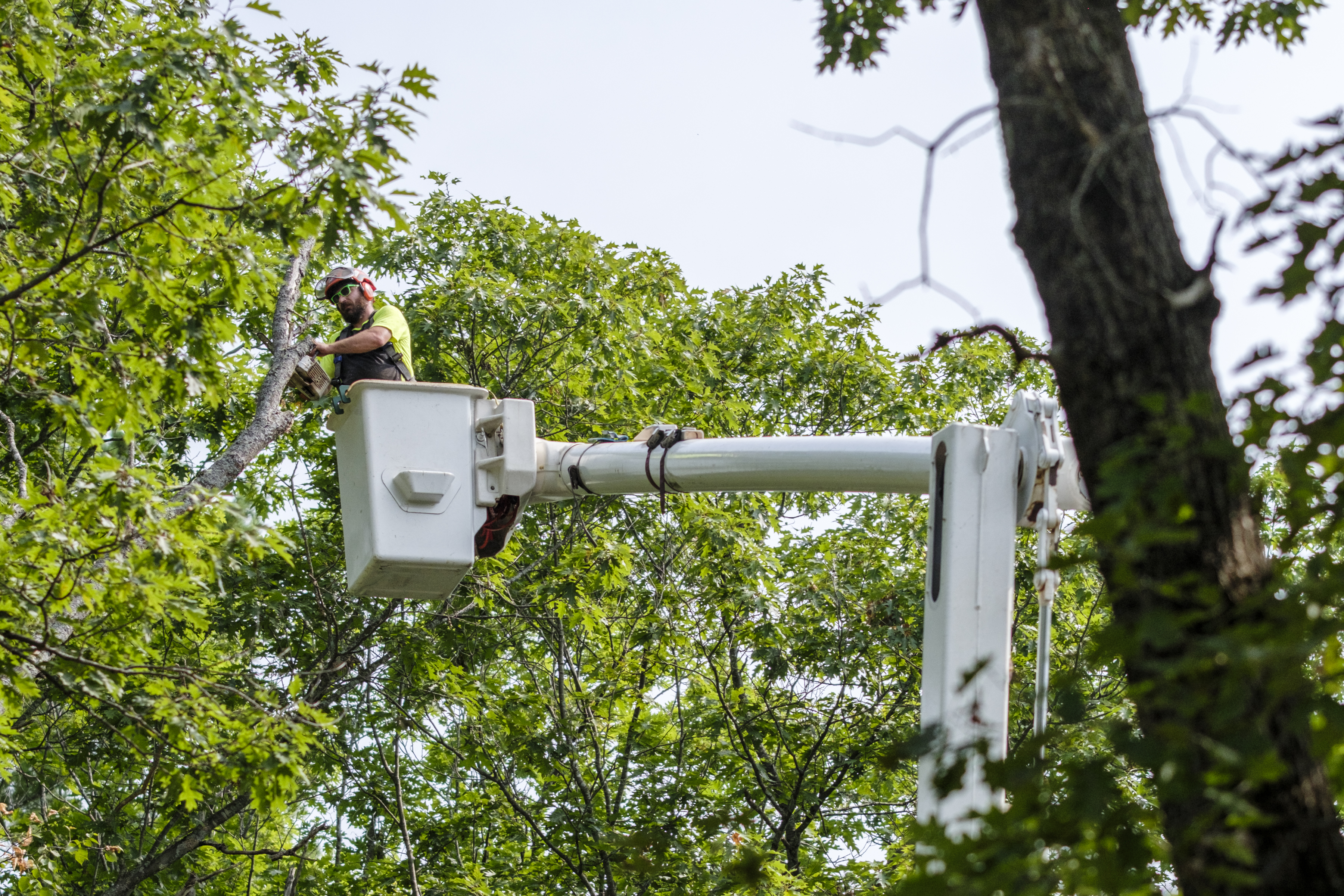
A branch hanging over your driveway after a windy Tuesday afternoon can make any tree problem feel urgent. But not every tree job needs a chainsaw crew, and not every crew is a certified arborist. The trick is knowing when basic yard work crosses into real tree care, and what to check before anybody touches your property.
Start by making sure you need a certified arborist
If the job involves height, heavy limbs, tree health, decay, storm damage, or anything near a roof, fence, or power line, this is arborist territory. Simple hedge shaping or mowing is landscaping. Pruning a mature oak, checking a split trunk, or deciding whether a tree can be saved is not.
A certified arborist is a tree care professional with verified training in tree biology, pruning, risk assessment, and removal decisions. In plain English, that means somebody trained to keep a tree healthy when possible and remove it safely when needed.
What a certified arborist actually does
A certified arborist does much more than cut branches. Typical work includes inspecting trees for decay, pruning for structure and health, diagnosing pests or disease, assessing storm damage, and planning safe removals. Some also install cabling or bracing, which means support systems that help stabilize weak limbs or trunks.
Here’s where it gets interesting: good arbor work is often about what not to remove. A landscaper may make a tree look tidier for the weekend. An arborist should make decisions that still make sense a year from now.
Check credentials before you compare prices
Credentials come first. Price comes second. That is the rule.
Start by verifying ISA certification through the ISA TreesAreGood arborist search. Then check local business license requirements and ask for proof of insurance, including general liability and workers’ compensation. The University of New Hampshire Extension also stresses written estimates, insurance, and professional qualifications when hiring tree care.
This step protects your property and your wallet. Bad cuts can weaken a tree for years, and uninsured work can turn one fallen limb into a much bigger mess.
Questions to ask about certification and insurance
Ask whether certification is current, whether insurance certificates can be sent directly from the insurer, and who will actually do the work on-site. Also ask whether climbing, pruning, and cleanup are handled by employees or subcontractors. You want clear answers, not vague reassurance.
Look for experience that matches your specific job
Tree work is not one-size-fits-all. Somebody who does nice routine pruning on small ornamentals may not be the right fit for emergency removal or disease diagnosis on a 60-foot maple.
Ask about similar jobs, especially if your property has tight access, utility lines, old trees, or local rules about protected species. The best fit is somebody who has seen your kind of problem before and can explain the plan in plain English.
Residential vs. commercial arbor work
A backyard tree and a commercial property job can look similar from the street, but the work often differs. Residential jobs usually focus on access, cleanup, and protecting patios, gardens, and fences. Commercial and HOA work often adds scheduling limits, traffic control, documentation, and broader safety planning.
Ask how the work will be done, not just how much it costs
A low quote can hide a lot. Ask what pruning method will be used, whether hauling and cleanup are included, and how the yard, driveway, or nearby structures will be protected. If stump grinding matters, confirm it in writing.
One direct red flag: topping. That means cutting back major branches to stubs, and it is poor tree care. The ISA explains why tree topping harms trees.
Red flags in a proposal
Watch for vague scopes, cash-only deals, no written estimate, pressure to “do it today,” or promises that sound suspiciously easy for a risky job. The catch is that the cheapest price may skip cleanup, proper cuts, or safety steps you assumed were included.
Read reviews and references with the right filter
Five-star praise is nice, but look closer. Useful reviews mention communication, punctuality, cleanup, respect for the property, and whether the tree still looked healthy months later. Before-and-after photos help, though neat-looking results right away do not always mean good pruning.
Neighbor referrals can be even better, especially if the yard conditions match yours.
Understand pricing so you know what you’re paying for
Tree work pricing usually comes down to size, condition, access, equipment, urgency, cleanup, and risk. A small tree in an open yard is one thing. A damaged tree leaning over a garage is another story entirely.
Paying more often makes sense when the job is hazardous or technically demanding. Safer work, better cuts, and proper protection for your property are not extras.
Common mistakes to avoid when hiring an arborist
The biggest mistakes are predictable: choosing the cheapest quote, skipping proof of insurance, hiring a general landscaper for specialized tree care, ignoring scope details, and rushing after a storm. Tree work is a little like electrical work. Cheap fixes can get expensive fast.
Choose the arborist who leaves you with a clear plan
The right choice is usually the person who explains the work clearly, answers directly, and gives you a written plan you can actually follow. Try one simple thing: call two certified arborists and compare how each one explains the same tree. The better fit usually becomes obvious.
Disclaimer: This article is for general informational purposes only. It is not professional advice, a quote, or a service agreement. Conditions at your home or property may differ; contact a qualified professional for an on-site evaluation before making repair, safety, or spending decisions.
Need a Lakes Region tree visit?
Send photos and notes, then request an estimate. We will explain what we can confirm and what comes next.