Path Clearance Before a Busy Holiday Weekend
Holiday weekends concentrate foot traffic on the same lake paths. A short clearance check before guests arrive prevents annoyance and daily ducking.
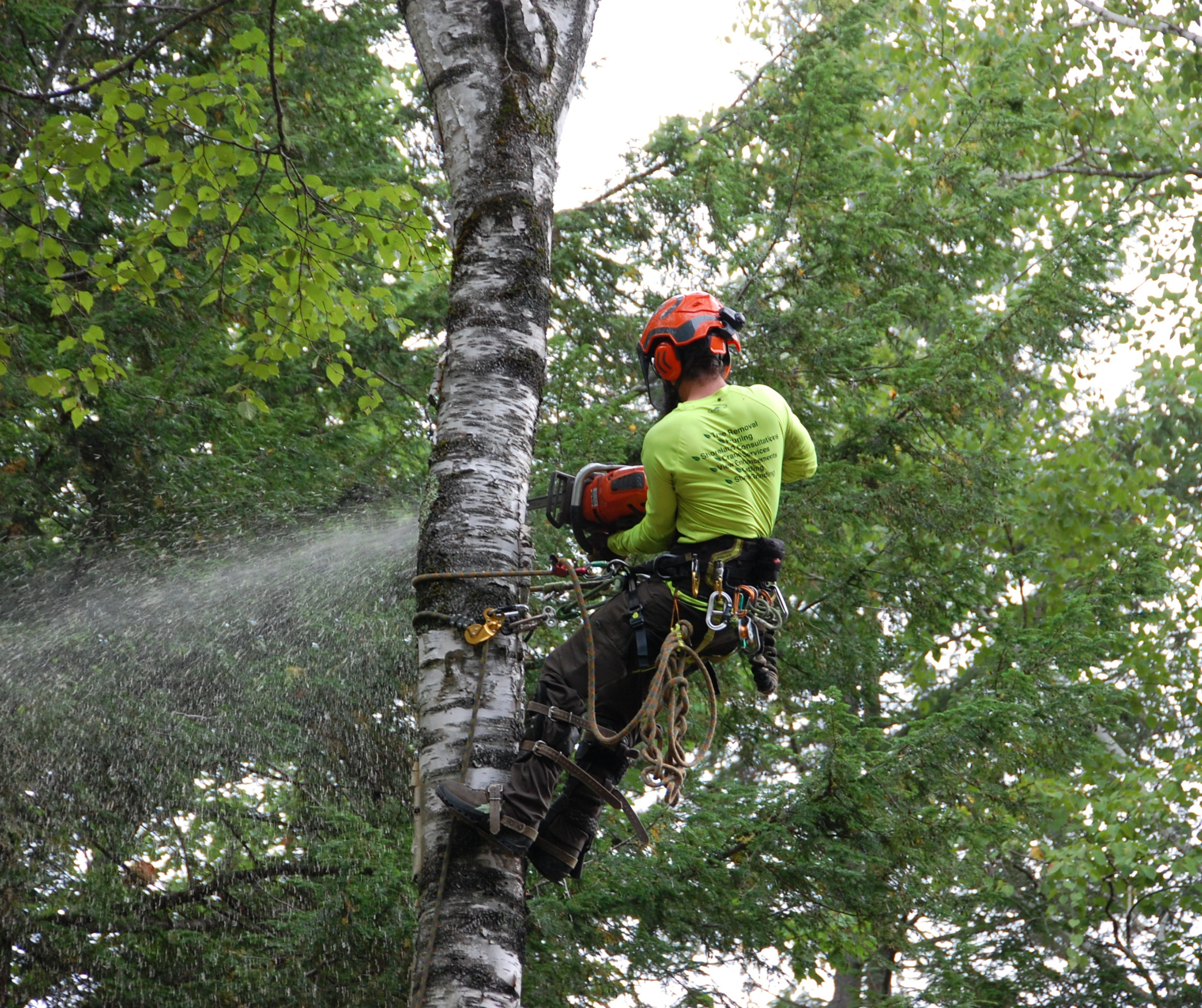
A long weekend on the lake means more trips on the same narrow paths, often with arms full, kids running ahead, and visitors unfamiliar with low branches you dodge automatically. What feels like a minor inconvenience to the owner can scrape shoulders or snag coolers for guests, especially at dusk or after rain when wet leaves hang lower.
June 24 sits in the window when many properties host Independence Day crowds. A deliberate walk two days before guests arrive catches conflicts that grew since Memorial Day and after weeks of wind that may have shifted or cracked limbs without your notice.
48-Hour Property Check
Walk every route guests will use: parking to door, door to dock, side paths to fire pits, and stairs to the beach. Note branches below seven feet on paths and anything dead over seating areas.
Walk at dusk once if your event includes evening use. Low light hides branches that seemed fine at noon. Rain the day before lowers drooping limbs further; recheck after weather if storms passed through.
Checklist by Zone
- Parking and turnaround: Height for tall vehicles and trailers
- Primary path to water: Seven-foot headroom at carrying height
- Stairs and stone steps: Side branches at face height
- Fire pit and seating: Deadwood overhead removed
What We Can Do in Season
Depending on schedule, selective pruning may still be possible before a busy weekend. Minor deadwood removal over paths is often the highest return work. Major reduction on large trees requires planning and may not suit a last-minute request. Call early when you see the conflict coming in May or early June.
Send photos of problem limbs when you request an estimate. Flag which routes are guest-critical so scope focuses on clearance first.
Owner Fixes vs. Professional Work
Flagging tape on a low branch is not a substitute for removal but can warn guests for a single weekend while you await professional cuts. Remove small dead twigs you can reach safely from the ground only if you have appropriate tools and footing. Never attempt hung-up wood or overhead chainsaw work without training.
If recent wind left partial failures, read checking trees after sustained wind before assuming a branch is stable enough for a busy weekend.
Related Guides
See also full canopy and path clearance, parking and driveway clearance, and lakefront walking paths.
For dock-specific rigging conflicts, pair this walk with dock line clearance. Explore services across the Lakes Region.
Leave a printed note for guests listing any low branches they should watch for until professional cuts are complete. Interim communication prevents repeat scrapes on the same limb all weekend.
Rental and Guest Communication
Add low-branch notes to welcome packets or rental checklists so guests expect clearance work in progress. Clear communication reduces repeat scrapes and ducking while you await scheduled pruning.
Test paths with a wide load (cooler, chair, or kayak) to mimic how guests actually move. Arms-out clearance fails quickly on narrow lake routes when people carry gear to the water.
Across Gilford, Meredith, Laconia, and other Belknap County communities we serve, the same seasonal pattern repeats: full leaves, lake wind, and crowded paths expose clearance and structure problems that looked minor in April. Professional pruning, shoreland-aware planning, and timely contact with photos keep small issues from becoming emergency removals when summer weather arrives.
Summary
Holiday weekends concentrate guest traffic on paths owners know by heart. Walk all routes at carrying height, recheck after rain and wind, and prioritize deadwood over seating and low clearance on primary corridors. Schedule professional pruning early when conflicts are predictable; use interim warnings only for minor issues while awaiting crew visits. A short pre-weekend check prevents ducking, scrapes, and repeat conflicts when the lake is busiest.
Need Clearance Before Guests Arrive?
Ask about scheduling pruning for paths, parking, and dock access.