Low Water Levels and Exposed Tree Roots on Lake Shorelines
When the lake drops, shoreline trees show roots and soil you do not see in a normal year. Some of that is harmless; some signals stability problems.
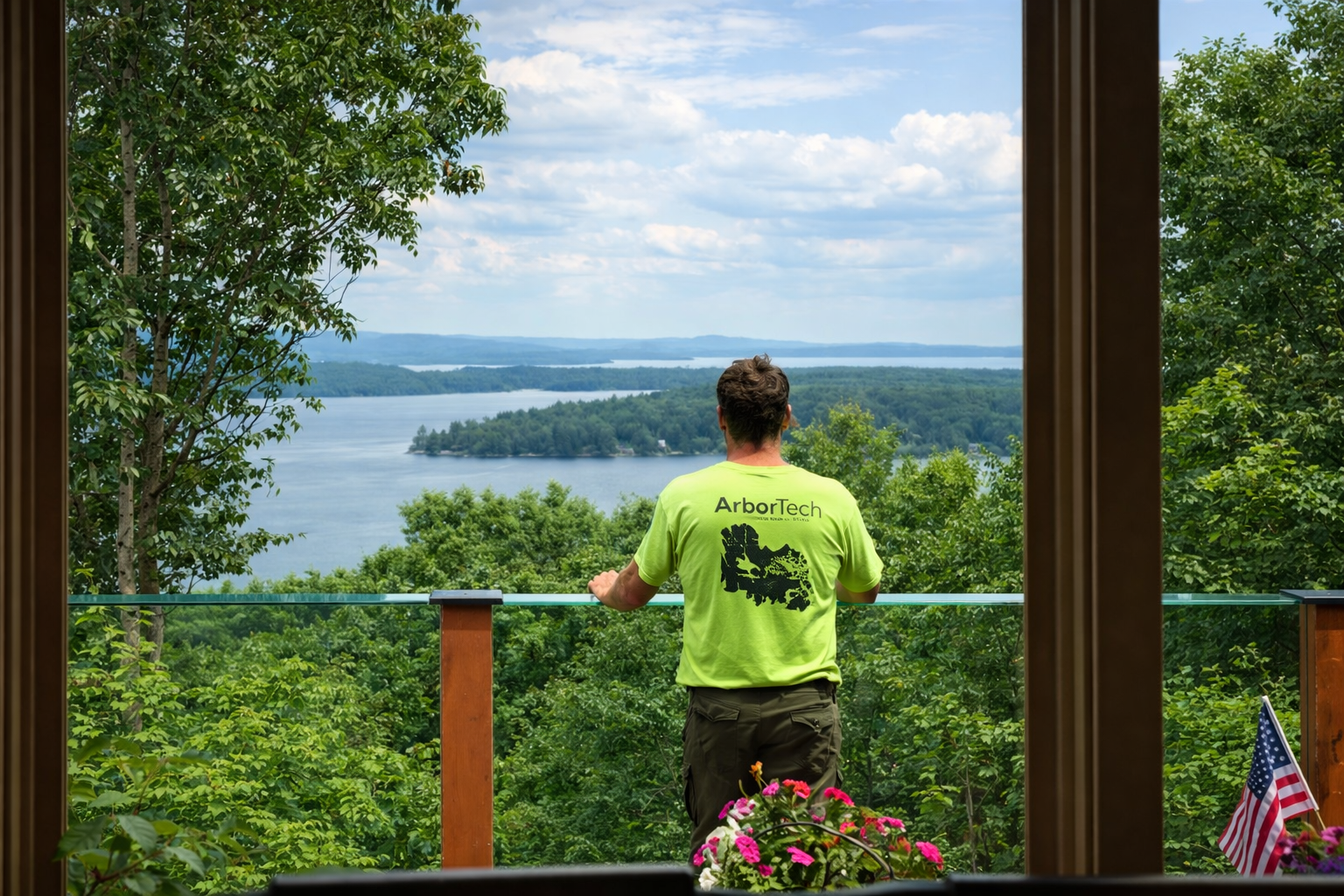
Water levels fluctuate on New Hampshire lakes from year to year. When the shore recedes, homeowners see root flare, undercut banks, and trees leaning toward the water that looked stable when the beach was narrower. Not every exposed root is an emergency—but some combinations of lean, erosion, and decay deserve prompt attention.
Early June often coincides with visible low-water shorelines before summer recreation peaks. Walking the bank now shows conditions guests will not notice until they ask why the tree "looks different this year." Documenting early helps you plan work before fall storms add load to already stressed root plates.
What Low Water Reveals
- Root flare and buttress roots that were previously underwater or buried in sand
- Eroded banks with less soil support on the water side
- Cracks or recent lean that was not obvious at higher water
- Undercutting beneath the root plate on steep shorelines
- Old wound wood or decay previously hidden below the normal water line
What Is Often Normal
Seeing structural roots at the surface during low water does not automatically mean the tree is failing. Many mature shoreline trees developed in dynamic conditions. Context matters: species, lean direction, crown health, and whether erosion is active.
Some exposure is seasonal. Compare photos across years if you have them. A tree that looks unchanged through multiple water cycles behaves differently from one whose lean increased this spring alone.
Species and Site Context
Willows and other moisture-loving species may show more surface root structure naturally. Upland species planted close to eroding banks may tell a different story. Note whether foot traffic or dock carts now cross roots that were underwater last season—new compaction adds stress to exposed zones.
When to Be Concerned
Call a professional when lean has increased, roots are visibly lifting on the inland side, the crown is thin or dead on one side, or erosion is undermining the root plate. These trees may need cabling, reduction pruning, or removal depending on targets below.
Active erosion undermining one side of the root plate is especially urgent before autumn wind and saturated soil return. Pair arborist assessment with any bank stabilization plans that may affect roots.
Shoreland Context
Bank stabilization and tree work may intersect with shoreland protection rules. Plan work before fall storms add more load to already stressed trees. Our June articles on root flare and dock traffic cover compaction on busy paths that compounds shoreline exposure.
For Gilford and other waterfront towns, see Gilford service area context and Gilford shoreline trees for local exposure patterns.
While walking the bank, note whether new foot traffic crosses exposed roots that were underwater last year. Redirecting that traffic early prevents compaction damage that makes a stable-looking tree decline by late summer.
Protecting Newly Exposed Roots
Redirect carts and foot traffic away from roots that were underwater last season. Temporary fencing or mulch over travel lanes—not against trunks—reduces compaction while you decide whether bank work or tree work comes first.
Compare current lean to photos from high-water years if you have them. Trees stable across water cycles behave differently from trees whose tilt increased only in the current low-water season.
Across Gilford, Meredith, Laconia, and other Belknap County communities we serve, the same seasonal pattern repeats: full leaves, lake wind, and crowded paths expose clearance and structure problems that looked minor in April. Professional pruning, shoreland-aware planning, and timely contact with photos keep small issues from becoming emergency removals when summer weather arrives.
Summary
Low water exposes roots and banks that hide stability clues. Distinguish normal seasonal exposure from increasing lean, active erosion, and crown decline. Protect newly exposed roots from traffic and equipment. Call for assessment when failure would reach docks, structures, or paths. Plan shoreland-aware work before fall weather tests trees already stressed by a changing shoreline.
Worried About Exposed Roots or Bank Erosion?
We assess shoreline trees across Belknap County and the Lakes Region.