Which Shoreline Tree Problem Should You Fix First?
Not everything on a busy shoreline lot needs the same urgency. Use this priority guide to decide what to handle first this season.
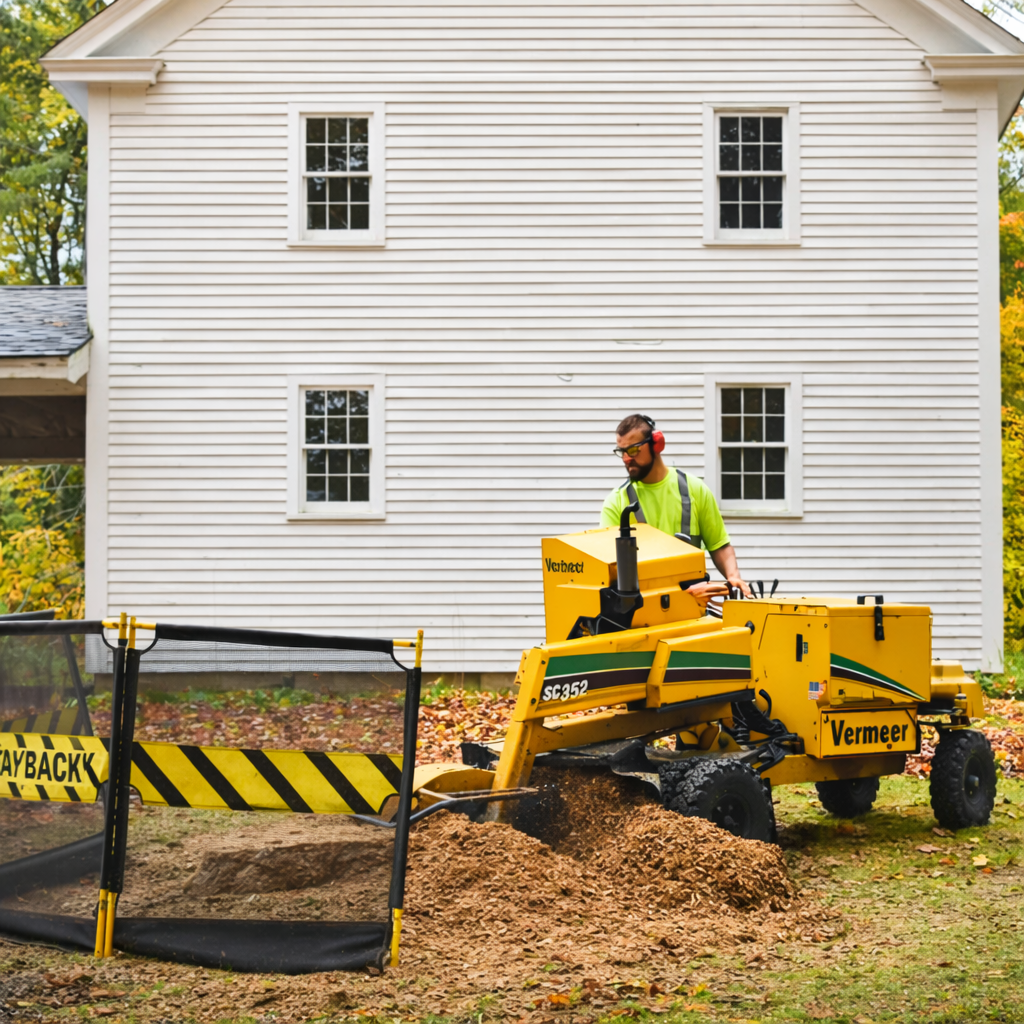
Waterfront owners often call with a list of tree issues at once: mulch piled wrong, a scraped trunk from mowing, a fork that looks tight, and a dead limb over the path. Budget and calendar are limited. This guide sorts problems by urgency so you can act in a sensible order—not as a quiz, but as a practical priority ladder for real shoreline lots.
May ends with summer about to accelerate foot traffic, dock use, and contractor demand. Sequencing work prevents spending on mulch fixes while a hanger over the swim ladder waits another month—or worse, fails on a crowded weekend.
Priority 1: Hanging Wood and Lean
Address hanging limbs, major lean toward structures, and cracked unions over paths or docks first. These situations can fail without warning in wind. See storm damage assessment if recent weather already caused partial failure.
Urgent structural work is not the same as cosmetic pruning. If something would reach a vehicle or roof when it falls, it moves to the top of the list regardless of how tidy the mulch looks elsewhere on the lot.
Priority 2: Clearance Over Daily Use
Next, fix limbs that interfere with docks, driveways, and rooflines you use every week. Selective pruning usually handles this without removing the whole tree.
Read our May articles on dock clearance and parking and driveway clearance for detail on measuring conflicts at full leaf.
Clearance Targets to Sequence
- Paths from parking to water
- Mooring and swim-ladder zones
- Driveway turnarounds and delivery paths
- Low branches over roof edges and gutters
Priority 3: Root Zone and Bark Health
Correct mulch volcanoes, keep mowers off trunks, and reduce compaction from foot traffic where you can. Our mulch guide and soil compaction article cover cultural fixes that support long-term health.
Root flare burial and mower stripes rarely cause instant failure, but they compound wind stress on waterfront trees already facing full sail. Fix habits on every tree you plan to keep while urgent work and clearance are underway.
Priority 4: Structure and Vista Planning
Co-dominant stems, view pruning, and buffer management can often wait until urgent work and clearance are handled, but should not be ignored for years. Shoreland work may require shoreland protection awareness.
Structural training on young trees belongs here if no hanging wood or urgent lean exists. Early correction is cheaper than mature fork remediation. See co-dominant stems after budbreak.
When in Doubt
One site visit beats guessing among four problems. Contact us with photos and we will help you sequence the work. Explore services for pruning, removal, crane work, and shoreland-aware care across the Lakes Region.
Keep a simple written list on the fridge or in a rental binder: urgent items first, clearance second, cultural fixes third, structure and vista fourth. That list keeps everyone on the same page when multiple family members or caretakers handle the property.
Budgeting Across Priorities
Many waterfront owners spread work across two seasons: urgent work and clearance first, structure and vista second. A written priority list helps you quote accurately and avoids paying for cosmetic cuts while a hanger remains over the path.
If you manage a family compound with multiple caretakers, post the priority list where everyone sees it. Urgent work first, clearance second, so weekend volunteers do not mulch over a flagged trunk wound.
Across Gilford, Meredith, Laconia, and other Belknap County communities we serve, the same seasonal pattern repeats: full leaves, lake wind, and crowded paths expose clearance and structure problems that looked minor in April. Professional pruning, shoreland-aware planning, and timely contact with photos keep small issues from becoming emergency removals when summer weather arrives.
Summary
Shoreline tree work competes for time and budget. Triage by hanging wood and lean first, daily-use clearance second, root zone and bark third, structure and vista fourth. This order protects structures and daily routes while building long-term health. When multiple issues feel equal, send photos and ask for a sequencing opinion before summer access tightens.
Not Sure Where to Start on Your Shoreline Lot?
We help homeowners triage urgent structural work, pruning, and shoreland-compliant care.