Tree Care Services: What to Know Before You Hire
Tree care gets confusing fast because the same job can be described three different ways, and the price can swing hard from one estimate to the next. If you need tree care, the trick is knowing...
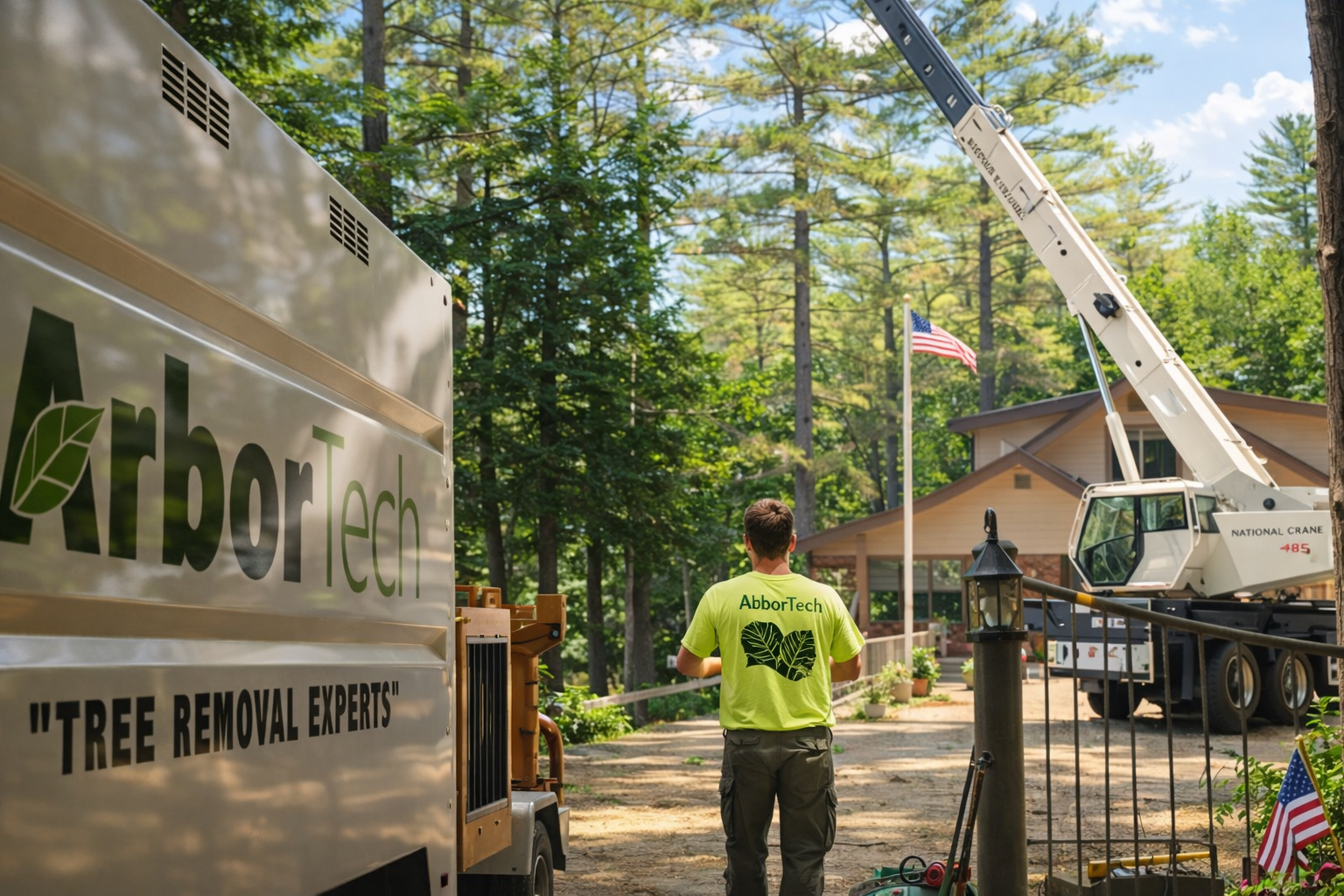
Tree care gets confusing fast because the same job can be described three different ways, and the price can swing hard from one estimate to the next. If you need tree care, the trick is knowing what kind of work you actually need, what makes a company trustworthy, and what details to pin down before anybody starts cutting.
What tree care services actually include
Tree care is a broad label. Sometimes it means light maintenance to keep branches off your roof. Other times it means removing a damaged 60-foot tree leaning toward a garage after a storm. Those are not the same job, and treating them like they are is how people end up with bad estimates, bad pruning, or a giant stump still sitting in the yard.
Tree trimming and pruning
People use trimming and pruning like they mean the same thing, and in casual conversation that is fine. In practice, trimming usually points to shaping and clearing. Think branches away from a roofline, driveway, sign, or walkway. Pruning is more about the tree itself, such as removing dead, weak, crowded, or poorly placed limbs so the tree stays healthier and safer.
Here’s the thing: good pruning is not just cutting until the tree looks neat. A proper job keeps the tree’s structure in mind, including how weight is distributed and where future growth will push. If a crew offers to “top” a tree by chopping the upper crown flat, that is usually a red flag, not a shortcut.
Tree removal, stump grinding, and cleanup
Removal means the whole tree comes down. Sometimes that is the right call, especially if the tree is dead, badly cracked, uprooting, or growing in a spot where failure would be expensive. But removal should feel like a specific decision, not the default answer to every tree problem.
Stump grinding is separate from removal more often than people expect. After the trunk is cut down, a grinder chews the stump below grade so the area can be covered with soil or mulch. It does not usually remove every root. Cleanup can also vary a lot. One quote may include hauling every limb, log, and wood chip away. Another may leave cut rounds stacked by the fence and chips in a pile. Same phrase on the estimate, very different result.
Emergency storm work and tree health treatment
Emergency work covers urgent hazards, such as a split limb hanging over a driveway or a tree that partly failed during high wind. These jobs often involve unstable wood under tension, which means the branch looks still until it moves all at once. That is not a ladder-and-chainsaw situation.
Tree health treatment is slower and more diagnostic. If a tree looks stressed, with thinning leaves, dieback, insects, oozing bark, or mushrooms near the base, the goal is to figure out why before cutting anything major. A health assessment is simply a professional look at structure, roots, pests, disease, and overall decline.
Know when to call for professional tree care
Some yard jobs reward confidence. Tree work punishes it. Once height, heavy limbs, decay, or nearby structures enter the picture, professional help stops being optional.
Signs a tree needs attention soon
Dead branches are the obvious one, especially if large limbs are bare while the rest of the canopy leafs out. But less obvious signs matter too: a new lean, cracks where major branches join the trunk, exposed roots after construction, hollow spots, mushrooms at the base, or bark peeling off in large sections.
Sometimes the warning is much more ordinary. After a windy night, a branch starts scraping the roof over the bedroom at 2 a.m. That kind of contact can turn into broken shingles, gutter damage, or a branch through a window if you ignore it.
How to choose a tree care company without guessing
A tree care company should not feel like a mystery box. You can screen most options pretty quickly if you know what to look for.
Check licensing, insurance, and certifications
Start with the basics. Ask whether a business license is required in your area and whether the company has one. Then ask for proof of liability insurance, which helps cover property damage, and workers’ compensation, which covers crew injuries on the job. Without those, a cheap quote can get expensive very fast.
Certification is worth asking about too. An ISA Certified Arborist has passed an exam on tree biology, diagnosis, pruning, and safety standards through the International Society of Arboriculture. That does not automatically make every company perfect, but it is a strong signal that somebody on the job actually understands trees, not just chainsaws.
Ask about experience with your specific job
Years in business matter less than fit. A company that does beautiful seasonal pruning on small ornamentals may not be the right choice for a huge oak removal squeezed between a fence and a detached garage.
Ask about jobs like yours. Not just “Have you done removals?” but “Have you removed trees this size near structures?” or “Do you handle disease assessments, or only trimming?” The more specific your job, the more specific the experience should be.
Read reviews with a filter
Star ratings help, but the comments underneath matter more. Look for notes about cleanup, punctuality, communication, and how problems were handled. Anybody can look great when a job goes perfectly. The useful reviews are the ones that mention rescheduling after rain, protecting the lawn, or fixing a misunderstanding without drama.
Photos help too. Before-and-after shots can show whether cuts look thoughtful or hacky, and whether the site was actually left clean.
Notice how the estimate process feels
The estimate often tells you how the whole job will go. A good company usually wants to see the tree in person, explain the approach, and give you a written scope of work that says what is being cut, removed, ground, or hauled away.
If the visit feels rushed, vague, or oddly pushy, notice that. Tree work is one of those services where clarity upfront is half the value.
Questions to ask before you hire
A bid is not just a number. It is a plan, and you need enough detail to compare one plan against another.
What exactly is included in the quote?
Ask what branches or trees are included, whether stump grinding is included, and what cleanup means in plain English. Are chips hauled away or left on site? Are logs removed or stacked for firewood? Are permit fees included if your city requires one?
Who will do the work and what equipment will be used?
Find out whether the crew is in-house or subcontracted. Ask whether the job will involve climbing, rigging, or a bucket truck, and how access will work if you have a narrow side yard, locked gate, delicate lawn, or paver driveway.
Equipment affects both price and impact on your property. A bucket truck can speed up a job, but only if it can reach the tree without tearing up the yard.
What happens if something changes on the job?
Trees hide surprises. Decay may be worse than it looks. A split trunk may be more unstable once cutting starts. Ask how change orders are handled, what happens if weather delays the work, and what the damage policy is if a fence panel, flower bed, or section of lawn gets hit.
You want those answers before the first branch comes down, not after.
Common hiring mistakes that cost you later
Most expensive tree care mistakes start as small assumptions. A rushed choice now can leave you with property damage, ugly cuts, or extra charges later.
Choosing the lowest bid too fast
A very low quote often leaves something out. Cleanup, insurance, enough crew, safe rigging, or proper pruning cuts all cost money. If one estimate is way below the others, treat it like a moving quote that somehow forgot your third-floor walk-up and the narrow stairs.
Cheap is not always bad. Unclear is bad.
Skipping the paperwork
A handshake is not enough when heavy limbs are hanging over a driveway. Get the scope in writing, ask for proof of insurance, confirm the timeline, and make sure payment terms are clear.
Paperwork does not make a company cold or unfriendly. It keeps everybody on the same page when the saws start.
Hiring for removal when the tree may be savable
Some trees do need to come down. But not every problem calls for removal. A mature shade tree may be worth saving with pruning, treatment, cabling, or simple monitoring, especially if it adds comfort, appearance, and value to the property.
Ask whether there is a reasonable alternative before agreeing to take the whole tree out.
Best tree care options for different situations
Different jobs call for different strengths. The right company for maintenance is not always the right one for an emergency.
If you need routine maintenance
For seasonal pruning and clearance, look for clear communication, good pruning knowledge, and a track record of tidy cleanup. This kind of relationship works best when the company notices issues early instead of only showing up when something breaks.
If you need hazardous tree removal
Prioritize insurance, removal experience, and a detailed plan for how pieces will be controlled around homes, parking areas, or commercial buildings. This is the moment to care less about charm and more about process.
If you need emergency service after a storm
Look for fast response, but not panic pricing or vague promises. Ask what can be made safe right away and what may need a second visit. If a fence, roof, or vehicle got hit at 7 a.m. after a rough night of wind, take photos before cleanup if it is safe to do so.
If you manage a commercial property
You need a company that can work around traffic flow, tenant safety, and business hours with minimal disruption. Recurring service matters more here because multiple trees and shared outdoor spaces need consistency, not one-off fixes.
What to expect on job day and right after
Knowing the rhythm of the day makes the whole thing feel less chaotic.
Before the crew arrives
Move cars out of the work zone, unlock gates, and keep pets inside. If you want wood saved for firewood or chips left for mulch, say so before the equipment shows up, not halfway through the job.
During and after the work
Expect noise, ropes, saws, and a defined safety zone around the tree. Good crews protect access points, move deliberately, and keep you informed if anything changes.
Afterward, ask for a walkthrough. A good finished job should match the written scope, leave the site reasonably clean, and show cuts that look intentional rather than ripped or ragged. Final payment makes the most sense after that last look.
A simple final checklist before you book
Before you book, verify insurance, compare written estimates, confirm exactly what is being cut or removed, and ask what cleanup includes. Then choose the company that gives you the clearest plan, not just the lowest number.
Try one thing this week: get two or three detailed quotes for the same tree care job, side by side. The differences will tell you a lot.
Disclaimer: This article is for general informational purposes only. It is not professional advice, a quote, or a service agreement. Conditions at your home or property may differ; contact a qualified professional for an on-site evaluation before making repair, safety, or spending decisions.
Need a Lakes Region tree visit?
Send photos and notes, then request an estimate. We will explain what we can confirm and what comes next.