Understanding Tree Growth Patterns and Structural Pruning Techniques
Delve into the developmental biology of trees and discover how professional structural pruning creates stronger, healthier trees that withstand New Hampshire's challenging weather conditions.
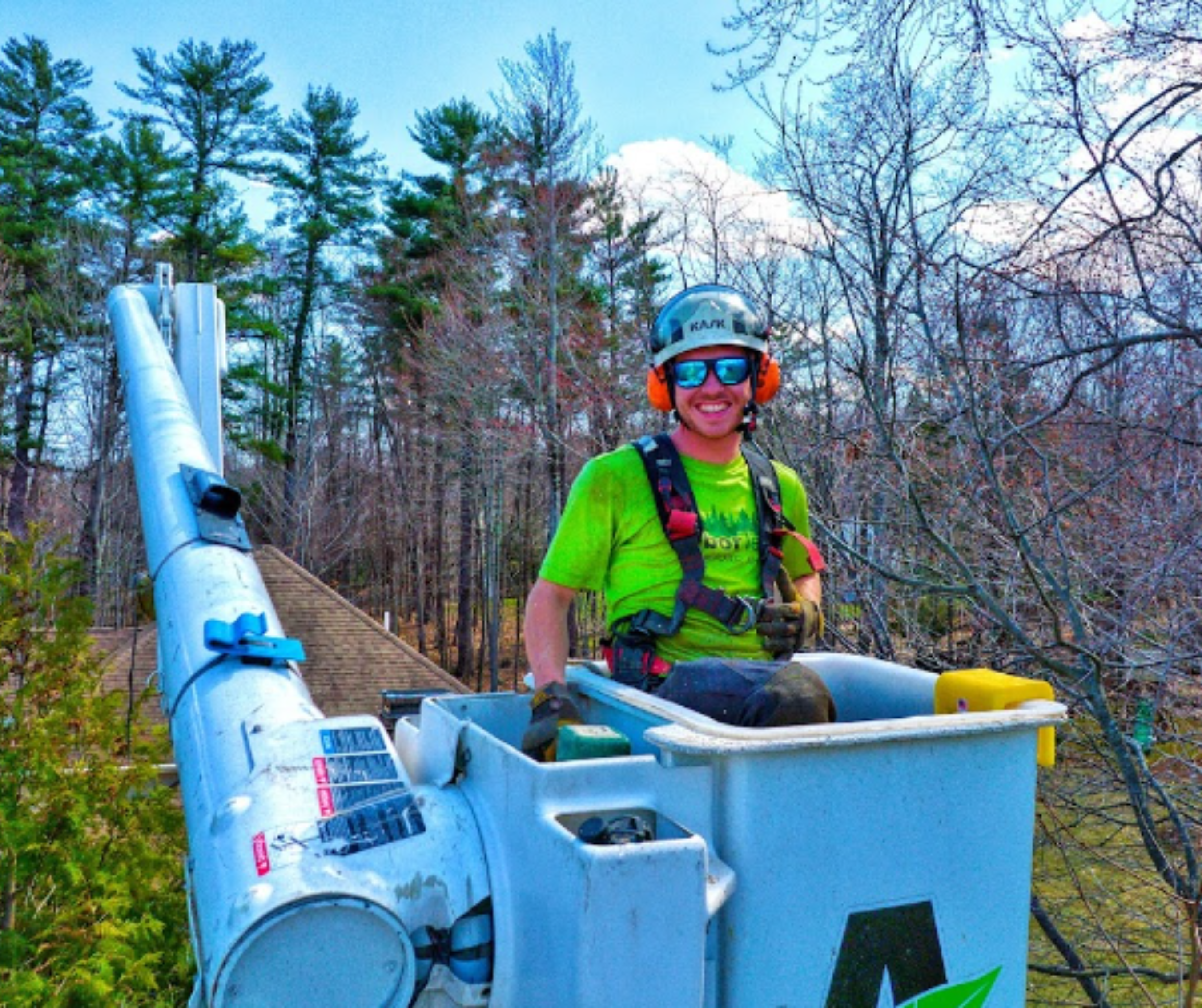
Tree structure development follows predictable patterns based on species genetics, environmental conditions, and management practices. Understanding these growth patterns enables arborists and property owners to implement structural pruning programs that create trees with superior strength, health, and longevity. In New Hampshire, where trees face challenges from winter storms, ice accumulation, and strong winds, proper structural development becomes particularly important for tree survival and property protection.
Tree Growth Biology and Development
Trees grow through two primary processes: primary growth, which extends branches and roots, and secondary growth, which increases trunk and branch diameter. Understanding how these processes interact helps explain tree form development and guides pruning decisions.
Apical Dominance and Branch Development
Apical dominance, the phenomenon where terminal buds suppress lateral bud growth, strongly influences tree structure. This biological mechanism ensures trees grow upward toward light while maintaining a dominant central leader. Species vary in apical dominance strength, creating distinct growth habits.
Strong apical dominance, characteristic of species like white pine and sugar maple, produces trees with clear central leaders and well spaced lateral branches. Weak apical dominance, found in species like red maple and some oaks, results in trees with multiple competing leaders and more complex branching patterns.
Branch Attachment Strength
Branch attachment strength depends on the structural connection between branch and trunk. This connection develops through overlapping wood tissues that create what arborists call the branch collar and branch bark ridge. These structures provide mechanical strength and compartmentalize decay if branches are damaged.
Branch attachment angles significantly influence strength. Narrow angles, where branches attach at angles less than 30 degrees, create weak attachments prone to failure. Wide angles, greater than 45 degrees, create stronger attachments. Understanding these relationships guides pruning decisions about which branches to retain or remove.
Common Structural Problems in New Hampshire Trees
Many trees develop structural problems that reduce their ability to withstand New Hampshire's challenging weather conditions. Recognizing these problems early enables intervention through structural pruning before problems become severe.
Co Dominant Stems
Co dominant stems, two or more branches of similar size competing for dominance, create weak points in tree structure. These stems develop included bark, bark tissue trapped between stems, which prevents strong attachment formation. Co dominant stems are particularly prone to failure during storms.
Structural pruning addresses co dominant stems by selecting the strongest stem to become the central leader and reducing competing stems. This process, ideally begun when trees are young, creates single leader trees with superior structural integrity.
Weak Branch Attachments
Branches with narrow attachment angles or included bark represent structural weaknesses. These branches may appear healthy but can fail unexpectedly under load from wind, ice, or snow. Identifying and addressing these problems through structural pruning prevents future failures.
Overextended Branches
Branches that grow too long relative to trunk diameter create leverage that increases failure risk. These branches, particularly those with heavy end weight, are prone to breaking during storms. Structural pruning reduces branch length and redistributes weight, improving tree stability.
Low Branch Development
Branches that develop too low on trunks can interfere with desired clearance for structures, vehicles, or pedestrian traffic. Additionally, low branches may develop into structural problems if they're retained too long, creating large wounds when removed later. Early structural pruning establishes proper branch height.
Structural Pruning Principles
Effective structural pruning follows principles based on tree biology and mechanical engineering. These principles guide pruning decisions to create trees with optimal structure while minimizing negative impacts on tree health.
Establishing a Central Leader
For most tree species, establishing and maintaining a single, dominant central leader creates the strongest tree structure. This process involves selecting the best positioned, most vigorous stem to become the leader and reducing or removing competing stems. The leader should extend well above lateral branches, maintaining clear dominance.
When establishing a central leader, arborists consider stem size, position, vigor, and form. The selected leader should be well attached, straight, and capable of supporting the tree's future growth. Competing stems are reduced gradually over several years to avoid excessive stress.
Branch Spacing and Distribution
Proper branch spacing distributes weight evenly along the trunk and prevents concentration of stress at specific points. Structural pruning creates branches spaced vertically along the trunk, with no two branches originating at the same height. This spacing reduces the likelihood of multiple branch failures during storms.
Branch distribution also considers radial spacing, ensuring branches are distributed around the trunk rather than clustered on one side. This distribution creates balanced trees that resist wind forces more effectively.
Branch Size Management
Maintaining appropriate branch size relative to trunk diameter prevents structural problems. As a general guideline, branches should not exceed half the diameter of the trunk at their point of attachment. Larger branches create excessive leverage and are prone to failure.
Structural pruning reduces branch size through reduction cuts that shorten branches while maintaining their natural form. This process, when done correctly, preserves tree health while improving structure.
Pruning Techniques for Structural Development
Various pruning techniques serve different purposes in structural development. Understanding when and how to use each technique ensures pruning achieves desired structural improvements without compromising tree health.
Reduction Cuts
Reduction cuts shorten branches by cutting back to lateral branches capable of assuming terminal roles. These cuts reduce branch length and weight while maintaining branch integrity. Proper reduction cuts are made to lateral branches at least one third the diameter of the removed portion, ensuring the remaining branch can support the new terminal position.
Reduction cuts are particularly valuable for managing overextended branches and reducing weight on weak attachments. When performed correctly, these cuts stimulate growth in remaining branches while improving overall tree structure.
Removal Cuts
Removal cuts eliminate entire branches back to the trunk or parent branch. These cuts are used to remove competing stems, dead or damaged branches, and branches with poor structure. Proper removal cuts preserve the branch collar and branch bark ridge, enabling proper wound closure and decay compartmentalization.
When removing large branches, three cut techniques prevent bark tearing and ensure clean cuts. The first cut removes most of the branch weight, the second cut removes the remaining stub, and the final cut creates the proper finish at the branch collar.
Thinning Cuts
Thinning cuts remove selected branches back to their points of origin, reducing branch density without changing overall tree size. These cuts improve light penetration and air circulation while maintaining tree form. Thinning is particularly valuable for trees with excessive branch density that creates structural problems.
Timing Structural Pruning
Pruning timing significantly influences tree response and structure development. Different pruning objectives may require different timing, and understanding tree growth cycles guides optimal scheduling.
Dormant Season Pruning
Pruning during dormancy, typically late fall through early spring in New Hampshire, offers several advantages. Trees are less stressed during dormancy, wounds close more effectively, and disease transmission risk is reduced. Dormant pruning is ideal for major structural work and removal of large branches.
Growing Season Pruning
Pruning during the growing season allows arborists to see tree structure clearly and assess branch health. Light pruning and corrective work can be performed throughout the growing season, though avoiding periods of active growth reduces stress. Summer pruning can also help manage tree size and reduce vigor in overly vigorous trees.
Early Development Pruning
Beginning structural pruning when trees are young enables development of optimal structure with minimal intervention. Young trees respond more readily to pruning, and early correction prevents problems from becoming severe. Regular structural pruning during the first 10 to 15 years of a tree's life creates superior structure compared to trees pruned only when problems become apparent.
Species Specific Considerations
Different tree species require different structural pruning approaches based on their growth habits and characteristics. Understanding species specific needs ensures pruning programs are appropriate for each tree type.
Conifer Structural Pruning
Conifers, including white pine, hemlock, and spruce common in New Hampshire, typically maintain strong central leaders naturally. Structural pruning focuses on removing competing leaders, reducing branch density, and managing low branches. Conifers respond well to pruning but require careful attention to avoid removing too much foliage, which can stress trees.
Deciduous Tree Structural Pruning
Deciduous trees, including maple, oak, and birch species, often require more extensive structural pruning to develop optimal form. These species may develop multiple leaders, weak attachments, and overextended branches that require correction. Structural pruning programs for deciduous trees often span several years to gradually improve structure without excessive stress.
Mature Tree Structural Pruning
While structural pruning is most effective when begun early, mature trees can also benefit from structural improvement. However, mature tree pruning requires different approaches and expectations compared to young tree pruning.
Risk Reduction Pruning
For mature trees with structural problems, pruning focuses on risk reduction rather than complete structural correction. Removing or reducing high risk branches prevents failures while preserving as much tree structure as possible. This approach recognizes that mature trees cannot be completely restructured but can be made safer.
Gradual Improvement
Mature tree structural improvement occurs gradually over multiple pruning cycles. Removing too much at once stresses trees and can create additional problems. Professional arborists develop multi year plans that gradually improve structure while maintaining tree health.
Professional Structural Pruning Benefits
Professional structural pruning by certified arborists provides numerous benefits that justify the investment, particularly for valuable trees or trees in high risk locations.
- Improved tree strength and storm resistance
- Reduced failure risk and associated property damage
- Enhanced tree health through proper branch management
- Extended tree lifespan through structural improvement
- Better tree form and aesthetic value
Conclusion
Understanding tree growth patterns and implementing proper structural pruning creates trees with superior strength, health, and longevity. In New Hampshire's challenging climate, where trees face winter storms, ice accumulation, and strong winds, structural development becomes critical for tree survival and property protection. Professional structural pruning, particularly when begun early in a tree's life, represents one of the most valuable investments property owners can make in their trees.
If you're interested in developing structural pruning programs for trees on your Belknap County property or need professional assessment of tree structure, contact ArborTech NH. Our certified arborists have extensive experience with structural pruning techniques and can develop customized programs that improve tree structure while maintaining tree health.
Need Professional Structural Pruning?
Our certified arborists can assess your trees and develop structural pruning programs that improve tree strength and longevity.