Tree Removal Cost in New Hampshire: What Really Drives It
If you’ve looked up tree removal cost and gotten a range that feels almost useless, that’s normal. Taking down a tree in New Hampshire can be a quick half-day job or a careful, high-risk operation...
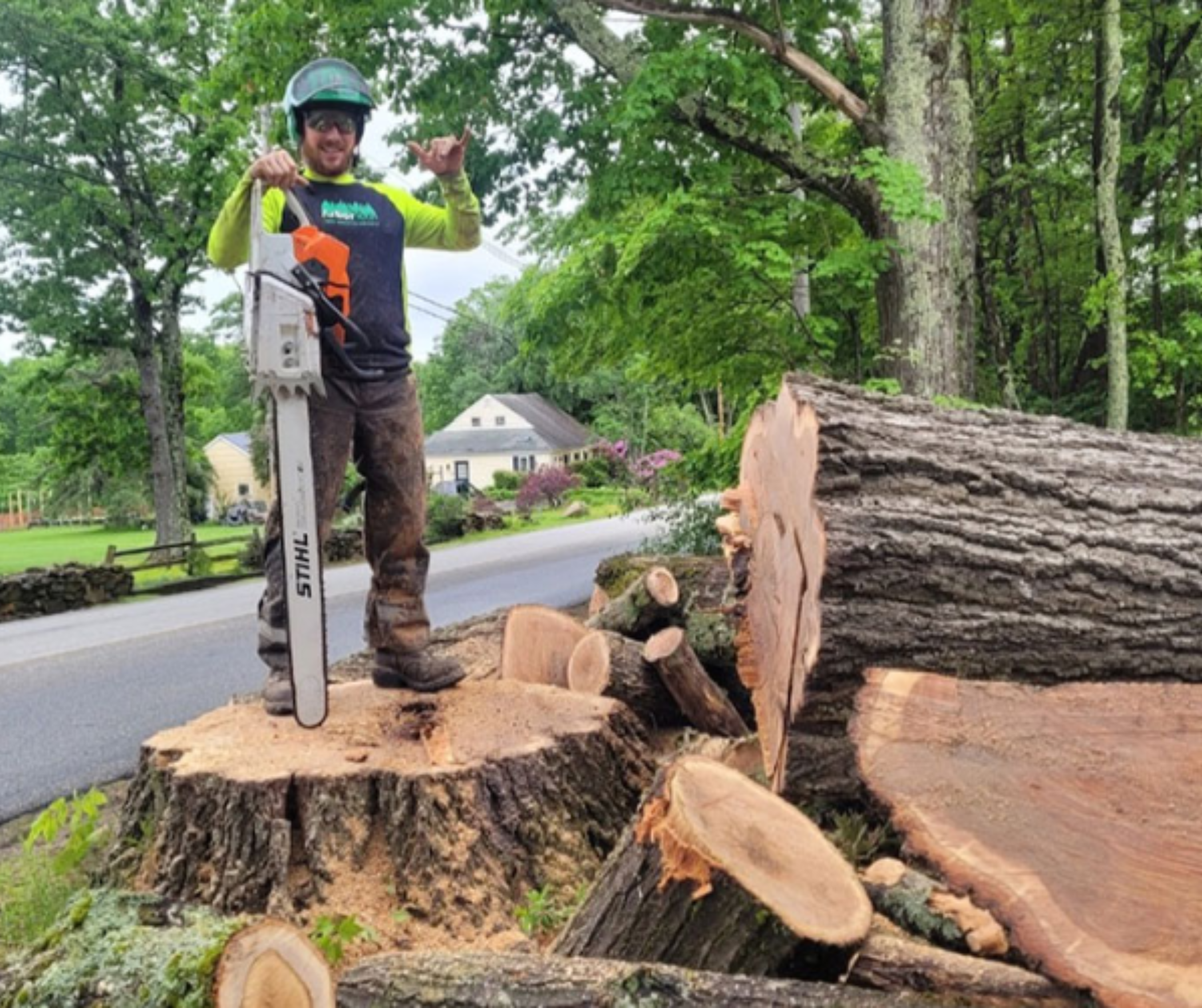
If you’ve looked up tree removal cost and gotten a range that feels almost useless, that’s normal. Taking down a tree in New Hampshire can be a quick half-day job or a careful, high-risk operation over a roof, and the price moves fast depending on what’s actually in front of the crew. This guide shows what really changes the number so you can read quotes with a clear head.
What tree removal usually costs in new hampshire
Most tree removal jobs in New Hampshire land somewhere between a few hundred dollars and a few thousand, with the biggest swing coming from size and risk. A small ornamental tree in an open front yard might cost roughly a range that depends heavily on tree size, access, and cleanup scope to remove. A medium tree often falls around a wide range that reflects tree size, access, equipment, and risk. Large trees commonly run a wide range that reflects tree size, access, equipment, and risk and extra-large trees, especially mature pines or maples near structures, can climb well beyond that.
Here’s the thing: those ranges are only a starting point. A small tree wedged between a fence, a shed, and a neighbor’s driveway can cost more than a larger tree standing alone in an open area. A tight yard in Manchester can produce a very different quote from a wooded lot near Concord, even when the trees seem similar at first glance.
That doesn’t mean pricing is random. It means tree work is highly job-specific. Once you know what changes the difficulty, the quote starts making a lot more sense.
The biggest cost drivers
Size and risk change the price fast. That’s the simplest, most reliable rule in tree removal.
A crew is not just charging for cutting wood. The price reflects time, danger, access, equipment, cleanup, and the amount of control required. A tree that can be dropped cleanly into an open area is one kind of job. A decaying tree hanging over a garage is another universe entirely.
Tree size and height
Bigger trees cost more because every part of the job gets harder. More height means more climbing or longer reach from equipment. More trunk diameter means slower cutting and heavier sections to lower safely. A wider canopy means more limbs to manage before the main stem even comes down.
Think of it like moving furniture. A lamp and a piano are both “items,” but nobody expects them to take the same effort. Tree removal works the same way.
A tall pine is a good example. Even when the trunk looks fairly straight, the height alone can require sectional removal, meaning the tree comes down piece by piece instead of in one drop. That takes more rigging, more cutting time, and more hauling. A small flowering tree in the front yard usually involves less setup and far less debris.
Location on your property
Access can raise or lower the price almost immediately. If equipment can get close, the job usually gets easier and cheaper. If a crew has to carry limbs and log rounds by hand through a narrow gate, across a patio, or down a slope, labor time goes up.
Common trouble spots include fenced backyards, steep banks, muddy ground, septic areas, retaining walls, and tight driveways with no turnaround space. Even a beautiful stone patio can complicate things if heavy wood cannot be dropped or rolled across it without damage.
Easy access is one of the biggest hidden savings. A tree near the road with a clear work zone often costs less than a similar tree tucked behind a garage and pool.
Condition of the tree
A damaged or unstable tree often costs more because it is more dangerous to remove. Dead wood can snap unexpectedly. Hollow trunks may not hold a climber safely. Split stems, storm cracks, and heavy lean all make the work less predictable.
Hazardous tree work is just that: removal where failure could happen during the job. That might mean hanging limbs caught in the canopy, a root plate starting to lift, or a trunk weakened by decay. More risk means slower moves, more caution, and sometimes more specialized gear.
A healthy tree can still be expensive if it is huge or badly located. But once you add instability, the price usually rises.
Nearby structures and utilities
Precision costs money, because precision takes time.
If branches hang over your house, garage, shed, fence, pool, driveway, road, or a neighbor’s property, each cut has to be planned and controlled. Instead of dropping wood freely, a crew may need to rope and lower one section at a time. That slows everything down, but it is exactly what you want when the alternative is a crushed gutter or broken fence panel.
Power lines create another layer of complexity. In some situations, utility coordination is needed before any work can happen. Even when lines are only nearby, not touching, the presence of utilities can change the whole removal plan.
Equipment and crew needed
People often focus on the machine, but the machine is only part of the price. Yes, a crane, bucket truck, mini skid steer, or specialty rigging setup can increase the quote. But so can the added crew size, transport, setup time, and planning that come with that equipment.
Some removals can be handled by a climber and ground crew with standard rigging. Others call for a crane because there is no safe drop zone. A bucket truck may speed up one job and be useless on another if the backyard is inaccessible. The catch is that more gear does not always mean a company is upselling. Sometimes it means that is the safest, most efficient way to do the work.
How new hampshire conditions affect the quote
New Hampshire adds its own wrinkles to tree work. Weather, terrain, species, and local logistics all shape the final number in ways that generic online price ranges often miss.
Tree species common in new hampshire
Species matter because different trees grow and fail in different ways. Tall white pines can become massive and awkward, especially when crowded close to homes. Broad maples and oaks often spread wide over roofs, driveways, and lawns, which makes limb-by-limb removal more likely. Birches can be lighter, but multi-stem forms may create messy, uneven cuts and more brush to handle.
Multi-stem trees deserve special mention. One base with several trunks can look smaller than a single large tree, but removal may take longer because each stem has to be managed separately. That often surprises people.
Winter, mud season, and storm cleanup
Winter can sometimes help. Frozen ground may make it easier to move equipment across a yard with less damage, especially in areas that turn soft in warmer months. In some cases, that can improve access and keep costs steadier.
Mud season is the opposite. During spring thaw, soft lawns and saturated ground can slow the job or limit what equipment can be used. If a machine risks sinking or tearing up the yard, the removal plan may need to change.
Storm season changes pricing for a different reason: demand. After heavy wind, wet snow, or ice, urgent calls stack up quickly. Emergency removals, especially when a tree is blocking a driveway or leaning onto a structure, usually cost more than scheduled work.
Local rules, permits, and utility coordination
Some tree removals move smoothly. Others need extra coordination before the saw even starts.
Depending on your town, lot, or neighborhood, permits or approvals may come into play. Certain associations have rules about visible tree removal. Some municipalities care more when a tree sits near a road, a protected area, or a shared line. If power lines are involved, utility communication may also affect timing.
That does not always add a direct fee, but it can add time, admin work, and scheduling delays. All of that matters when you compare quotes.
What’s Usually included in a tree removal quote
One quote can look cheaper simply because it includes less. That is why “tree removal” needs a closer look before you compare bottom lines.
Cutting and lowering the tree
The base quote usually covers the actual dismantling or felling of the tree. If there is room, the tree may be dropped in one direction. If there is not, it is removed in sections, with limbs and trunk pieces cut and lowered in a controlled way.
That difference matters. Sectional dismantling takes longer and involves more skill than simply felling a tree into open space.
Cleanup and hauling debris
Most quotes include some level of cleanup, but cleanup is one of the easiest places for confusion. One company may include hauling away all limbs, brush, and trunk wood. Another may remove brush but leave logs stacked neatly on site. A third may include a basic rake-up but not a detailed finish.
Read that part carefully. “Cleanup included” sounds clear, but it can mean very different things.
Stump grinding vs. leaving the stump
Stump grinding is often separate from the removal price, and that is normal. Grinding needs different equipment and extra time, so many companies price it as an add-on rather than folding it into every tree job.
Grinding usually means chewing the stump below grade so the area can be covered with soil or mulch. It does not usually mean full root removal. If you are planning a patio, foundation work, or replanting in the same exact spot, that distinction matters.
Add-ons that change the final price
This is where the final bill often shifts from the number you expected. Base removal is one thing. Extras are where the job gets tailored to your property and priorities.
Emergency or same-day service
Urgent work costs more because it disrupts the schedule and often happens under worse conditions. If a tree is actively threatening your house, blocking access, or freshly damaged after a storm, speed becomes part of what you are paying for.
After a big wind or snow event, even straightforward removals can cost more because crews are booked hard and hazard work jumps to the front of the line.
Crane work and difficult rigging
Crane removals and advanced rigging jobs usually cost more, but for good reason. If wood has to be lifted over a roof, fence line, or landscaped area with no safe drop zone, heavier equipment and tighter control keep the job safe.
Sometimes difficult rigging shows up without a crane. A backyard with no machine access may still require careful rope work on every piece. More time in the canopy usually means a higher quote.
Log splitting, firewood, and wood chip options
Keeping wood on site is not always cheaper. If you want logs bucked to firewood length, stacked, or split, that adds labor. If you want chips left behind in a tidy pile for mulch, that may save disposal time in some cases, but it still needs to be discussed up front.
The trick is to decide what you actually want before the quote is written. Last-minute changes can affect the price.
Extra travel or limited access jobs
Remote properties, long rural drive times, difficult turnaround areas, and long carry distances can all raise labor costs. A crew that has to drag brush 150 feet uphill from a lakeside backyard is doing a different job from a crew feeding a chipper at curbside.
That difference often shows up in the estimate, even when the tree itself is not especially large.
Tree removal cost by situation
Most people do not shop for tree work by textbook category. You look at your own tree and want the closest match. These situations give you a more practical way to think about price.
Removing a small yard tree
This is usually the lower end of the range, often a few hundred to under a thousand dollars, especially if the tree is healthy, under roughly 25 to 30 feet, and easy to access. Smaller trees mean less cutting, less rigging, and less hauling.
What keeps the cost down is simplicity. Open yard, easy equipment access, no utility conflicts, and standard cleanup all help.
Taking down a large tree near a house
This is one of the most expensive common scenarios, and the reason is simple: big tree, small margin for error. A large maple over a roof or a tall pine beside a garage often has to come down in carefully controlled sections.
That kind of removal can move into the low thousands fast, and for good reason. Precision, crew time, equipment, and risk all stack up at once.
Removing a dead or storm-damaged tree
Dead and storm-damaged trees often cost more than healthy trees of the same size. Unstable limbs, cracked stems, hanging tops, and decayed trunks slow the work and increase the danger.
If part of the tree has already failed, the remaining structure may behave unpredictably. That is why hazard removals often come with higher quotes.
Clearing multiple trees at once
Bundling trees can lower the per-tree cost because setup, travel, and cleanup are shared across the job. If a crew is already on site with equipment, adding another straightforward removal may be more efficient than booking it separately later.
Still, not every tree in the group will price the same way. One open-grown birch and one towering pine over the driveway should not cost the same just because both are on the same property.
How to read a quote without getting tripped up
A good estimate should tell you what is included, what is not, and what could change the price. If the wording feels fuzzy, assume nothing.
Questions to ask before you hire anyone
Before you say yes, make sure the estimate clearly covers insurance, cleanup, stump grinding, equipment access, timeline, and who handles any permit or utility coordination. Ask whether logs stay or go, whether the lawn gets protected if needed, and what happens if hidden complications show up once the crew starts.
You also want clarity on scheduling. “Sometime next month” is not the same as a defined work window, especially if the tree is declining.
Red flags in very low estimates
A very low bid is not automatically a bargain. Often, it means something is missing.
Missing insurance is a big one. Incomplete cleanup is another. Some low estimates leave out hauling, stump work, traffic control, or difficult rigging that any careful crew would have planned for from the start. Sometimes the number is low because surprise charges are coming later. That is not a deal. It is a trap with a chainsaw.
What proof of insurance should look like
For tree work, two kinds of coverage matter most: liability insurance and workers’ compensation. Liability helps if your roof, fence, or garage gets damaged during the job. Workers’ comp matters if someone gets hurt on your property.
Ask for proof, not a verbal promise. A real certificate should show active coverage dates and the business name that matches the estimate. If a crew is working over your driveway and cannot show that paperwork, move on.
Smart ways to keep tree removal costs down
Saving money on tree removal is mostly about timing, scope, and planning. It is not about pushing a crew to cut corners.
Bundle pruning, removal, and stump work
If you already know you want nearby limbs pruned, a second tree removed, or the stump ground after the main removal, bundling the work can save on repeat travel, setup, and equipment time.
That does not guarantee a discount, but it often creates a more efficient job. Efficient jobs tend to price better.
Schedule before it becomes an emergency
A declining tree is usually cheaper to handle before it starts dropping limbs or leaning toward the house after a storm. Once the job becomes urgent, options shrink and the price often rises.
Waiting also tends to make the work harder. More decay, more instability, more risk. You pay for all of it in the end.
Get clear scope in writing
Line-item quotes help more than people realize. If stump grinding, log hauling, or extra cleanup are shown separately, you can compare bids fairly and swap pieces in or out without guessing what changed.
That kind of clarity saves money because it reduces misunderstandings before the truck ever pulls in.
Common mistakes that make tree removal more expensive
A lot of price frustration starts before the estimate. Small oversights can turn into real cost.
Waiting too long on a failing tree
A tree with early decline may still be manageable. A tree with advanced rot, storm damage, and a hard lean is a different project entirely.
The longer you wait, the more likely the work becomes slower, riskier, and more expensive. That is especially true after a rough winter or a heavy wind event.
Comparing bottom-line prices only
Two quotes can look close and still cover very different work. One may include hauling every log, careful rigging over the shed, and full cleanup. Another may leave the wood, skip the stump, and assume easier access than your property actually has.
If you only compare the total, you miss the story.
Forgetting about access and property prep
Gates, parked cars, patio furniture, lawn conditions, pets, and neighbor coordination all affect how smoothly the job goes. If a crew shows up and finds blocked access or a yard full of obstacles, the work slows down.
Sometimes that only causes frustration. Sometimes it changes the scope and the cost. Either way, it is avoidable.
How to get an accurate tree removal estimate in new hampshire
The best estimate starts with good information. Before you call, gather a few basics: the tree’s approximate height, where it sits on the property, visible damage or lean, nearby structures or wires, access limits like gates or slopes, and whether you want the stump ground.
Photos help a lot. Take one from a distance, one showing the base, and one showing nearby obstacles like the house, driveway, or fence. If the tree was damaged in a storm, get a clear shot of the broken area if it can be done safely from the ground.
That one step can save a lot of back-and-forth. Try this before requesting quotes: take a few clear photos from different angles so you get a much more useful starting estimate.
Disclaimer: This article is for general informational purposes only. It is not professional advice, a quote, or a service agreement. Conditions at your home or property may differ; contact a qualified professional for an on-site evaluation before making repair, safety, or spending decisions.
Need a Lakes Region tree visit?
Send photos and notes, then request an estimate. We will explain what we can confirm and what comes next.