Tree Removal: What It Costs and When to Hire Pros
Tree removal gets confusing fast because one estimate comes in at a few hundred dollars and the next looks like a small car payment. The reason is simple: tree removal is not one job, it is a mix...
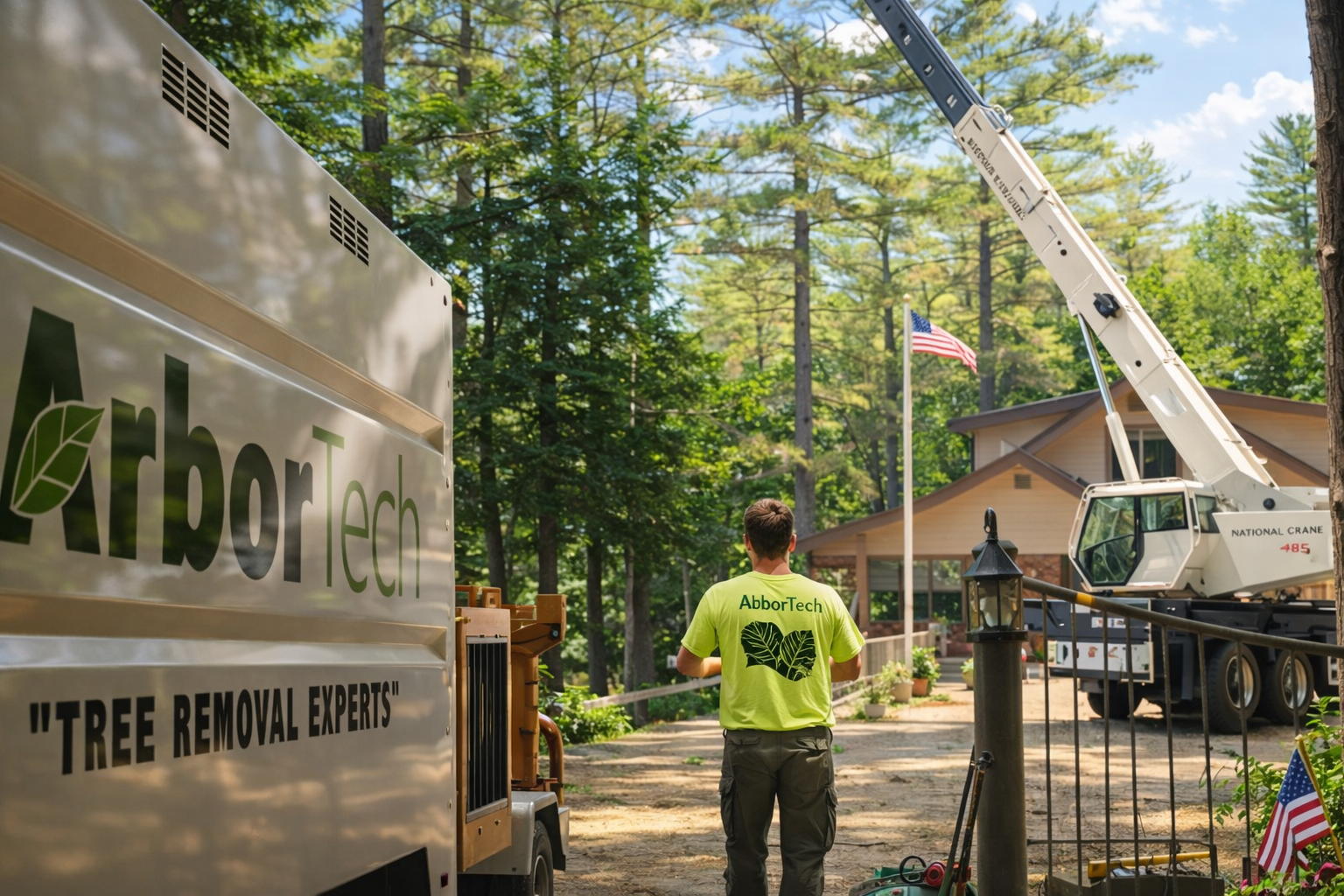
Tree removal gets confusing fast because one estimate comes in at a few hundred dollars and the next looks like a small car payment. The reason is simple: tree removal is not one job, it is a mix of height, risk, access, cleanup, and timing, and each of those can swing the price hard. This guide shows you what tree removal usually costs, what changes the bill, and how to tell when paying for a pro is the smart move.
What tree removal usually costs
For a straightforward job, tree removal often starts around a few hundred dollars and climbs into the low thousands. For very large trees, tight spaces, or emergency situations, it can go much higher. That gap is what throws people off.
A small ornamental tree in an open front yard is one thing. A towering oak leaning over a garage with a narrow backyard gate is another. From the street, both can look like “just trees.” On the invoice, they live in different worlds.
Typical price ranges by tree size
Size is the first pricing shortcut, though it is only a shortcut. In broad terms, small trees under about 30 feet often run roughly a range that depends heavily on tree size, access, and cleanup scope. Medium trees in the 30 to 60 foot range usually land around a range that depends heavily on tree size, access, and cleanup scope. Large trees from 60 to 80 feet often cost a wide range that reflects tree size, access, equipment, and risk or more. Extra-large trees over 80 feet can easily reach a wide range that reflects tree size, access, equipment, and risk and sometimes beyond.
Height matters because more height means more climbing, more cuts, and more time lowering sections safely. Trunk width matters because thicker wood is heavier and slower to cut. Canopy spread matters because long limbs often stretch over roofs, fences, and driveways, which means more rigging and more careful dismantling.
That last part is worth remembering. A 45 foot tree with a wide, awkward canopy can cost more than a taller tree standing alone in an open area.
What’s Usually included in the price
A standard tree removal quote usually includes cutting the tree down, removing limbs, lowering larger sections in a controlled way if needed, hauling away debris, and basic cleanup in the immediate work area. In a simple front-yard job, that may be the whole package.
But the catch is that “cleanup” can mean different things. One company may rake and blow the area clean. Another may only remove the major debris and leave sawdust, wood chips, or stacked logs behind. Stump grinding is often extra. Log splitting is often extra. Emergency response is almost always extra.
If you want the yard left in a specific condition, get that stated in writing. “Full cleanup” sounds nice until you realize it meant something very different at 5:30 p.m. on job day.
Why tree removal prices can change so much
Here’s the direct answer: access and risk change the bill more than almost anything else. A tree that is easy to reach and easy to drop can be removed surprisingly fast. A tree that has to be taken apart piece by piece near structures, wires, or fragile landscaping takes skill, time, and specialized equipment.
That is why two similar-looking trees can get very different estimates.
Tree location and access
Access is one of the biggest hidden cost drivers. If a crew can park close, bring in equipment, and work in a clear area, the job moves faster. If the tree sits behind a fence, beyond a narrow gate, on a steep slope, or in a muddy backyard after rain, every piece may need to be climbed, rigged, and hand-carried out.
Nearby garages, sheds, patios, and power lines also change the plan. So does soft ground that cannot support heavy equipment without making ruts. Backyard-only access is a classic price changer because there is often no easy way to get a lift, loader, or chipper where it needs to go.
Picture a crew hauling heavy rounds one at a time through a side yard barely wide enough for a trash bin. That labor adds up fast, even if the tree itself is not enormous.
Tree condition and risk level
A healthy tree can be more predictable to remove than a dead or damaged one. Dead trees can crack unexpectedly. Diseased trunks may be weak inside even when the outside still looks solid. A leaning tree changes weight distribution. Storm-damaged trees can be twisted, split, or hung up in neighboring branches.
You may hear terms like rigging and controlled dismantling. Rigging simply means using ropes, pulleys, and friction devices to lower cut sections safely instead of letting them fall. Controlled dismantling means taking the tree apart in smaller pieces because there is no safe open drop zone.
That slower, more careful process costs more, and honestly, it should. You are paying for the work to stay boring, which is exactly what you want when thousands of pounds of wood are hanging near a roof.
Local permits, utility issues, and insurance
Some cities require permits to remove protected species, large heritage trees, or trees in regulated areas. If a permit is needed, that can add time and cost before any cutting starts. Local rules vary a lot, so a quick check with your city or county can save a nasty surprise.
Utility conflicts are another issue. If branches are near service lines or tangled with utility wires, the utility company may need to be involved before removal begins. That is not red tape for the sake of it. It is a safety issue.
And then there is insurance. Any tree contractor you hire should carry liability insurance and workers’ compensation coverage. Liability insurance helps cover property damage. Workers’ comp helps protect you from getting dragged into injury costs if someone gets hurt on your property. If proof of coverage is hard to get, that is your answer right there.
When it makes sense to hire a pro
Some yard work is annoying but manageable. Tree removal is not in that category once height, weight, and nearby structures enter the picture. At that point, you are not just cutting wood. You are managing physics.
Signs the tree needs to come down
Sometimes the need is obvious. You see major decay, hollow sections in the trunk, cracked limbs, root damage, repeated branch drop, pest damage, or a serious lean that was not there before. Trees pressing into a roofline or crowding a foundation can also become removal candidates, especially when root growth or limb spread starts causing damage.
A tree can also look fine up top and still be unsafe at the base. Mushrooms near the root flare, soft wood, bark sloughing off, or visible cavities around the trunk can point to structural weakness where it matters most.
If the tree keeps losing large limbs in ordinary weather, pay attention. That is not a personality quirk.
Situations that are too risky for DIY
Tall trees, trees near homes, trees close to garages, trees tangled with wires, and storm-damaged trees should never be treated like a basic weekend project. Ladder work is already risky. Add chainsaws, awkward weight shifts, gravity, and overhead lines, and it stops looking like yard work and starts looking like chess where one bad move breaks something expensive.
Even smaller removals can go sideways if the trunk is under tension, the ground is uneven, or the fall path is tighter than it looks. Professional crews bring climbing gear, rigging systems, saw experience, and a plan for what happens after every cut. That is what you are buying.
Tree removal vs. trimming vs. stump grinding
A lot of people ask for removal when trimming would solve the problem, or forget the stump entirely and assume it is part of the same service. It often is not.
Getting the right service starts with understanding the difference.
When pruning or trimming is enough
If the issue is roof clearance, dead limbs, weight reduction, visibility, or branches brushing a building, pruning may be enough. Selective trimming can remove deadwood, reduce end weight on long limbs, and improve clearance over driveways or walkways without taking the whole tree down.
This matters because removal is permanent and more expensive. If the trunk is sound and the structure is still good, strategic trimming can buy safety and breathing room at a lower cost.
That said, trimming is not a magic fix for a failing tree. If the trunk or root system is compromised, cutting back branches may only delay the real decision.
What stump removal adds to the bill
Stump grinding and full stump removal are different jobs. Grinding uses a machine to chew the stump down below grade, usually leaving the roots in place. It is the more common and less disruptive option. Full stump removal digs out the stump and major roots, which is more labor-intensive and leaves a larger hole to backfill.
You may want stump grinding if you need easier mowing, want to improve appearance, or plan to use the space for grass or a bed. Full removal makes more sense if you need to replant in the exact same spot, install hardscaping, or deal with root interference.
Both add cost, and neither is always necessary. If the stump sits out of the way and does not bother anything, skipping it can be the cheapest safe choice.
How to compare tree removal quotes without getting burned
Tree estimates are not always easy to compare because one may look cheaper simply by leaving things out. A solid quote tells you exactly what is getting removed, how cleanup works, and what costs extra.
If the wording feels slippery, trust that feeling.
Questions to ask before you hire anyone
Before you hire a tree service, confirm proof of liability insurance and workers’ comp. Ask if local licensing is required and, if so, whether coverage is current. If part of the decision is whether the tree is actually unhealthy or hazardous, ask whether an ISA-certified arborist is involved in the assessment.
Also ask what happens to the debris. Is hauling included? Are logs left on site? Is stump grinding included or separate? What is the expected timeline, and how is payment handled? A deposit may be normal for larger jobs, but full payment upfront is not.
A written estimate should spell out the scope in plain language: what tree is being removed, whether the stump is included, what cleanup means, and what happens if access issues or hidden complications appear.
Red flags in lowball estimates
The cheapest quote can get expensive fast if cleanup, damage, or liability lands on you. Lowball estimates often have a vague scope, no proof of insurance, pressure for cash, no written contract, or suspiciously fast promises after a storm.
Door-knockers deserve extra caution, especially after severe weather. A truck pulling up after a windy night and offering a “today only” tree deal is not the kind of surprise you want in your driveway.
Another red flag is an estimate that skips discussion of access, drop zones, nearby structures, or utility lines. If a contractor barely looks at the tree and names a number in 30 seconds, the number is not the problem. The process is.
Extra costs you should plan for
The headline number on a quote is only part of your budget. Add-ons are common, and some are completely reasonable once you know what they cover.
Emergency and storm-damage removal
Emergency tree removal costs more because urgency changes everything. After-hours calls, blocked driveways, trees resting on structures, and dangerous hanging limbs all require faster response and a higher-risk setup. A crew working during a stormy night is not pricing the same job as a calm Tuesday morning removal with full daylight and a clear site.
Partially fallen trees can be especially expensive because tension in the wood becomes unpredictable. Limbs suspended overhead are another major hazard. If the tree is pinning a fence, pressing on a roof, or hanging over a public area, the removal plan often gets more technical and more expensive.
Debris hauling, log splitting, and site repair
Some companies include hauling as standard. Others price it separately, especially if the tree produces a large amount of wood or chips. Log splitting for firewood is often an add-on because it takes extra time and a different cleanup process.
Site repair is easy to overlook. Heavy equipment can leave lawn ruts, especially in wet conditions. Fence panels may need temporary removal for access. Cleanup beyond the immediate drop zone can also cost more if you want chips, sawdust, and scattered debris fully cleared from a larger area.
None of this is shady if it is disclosed upfront. The problem is only when it shows up at the end as a surprise.
Best tree removal choices for different situations
Not every tree job needs the full deluxe package. The right choice depends on what problem you are actually trying to solve.
If you need the lowest-cost safe option
If your main goal is to get the tree down safely at the lowest reasonable cost, stick to the core service. That usually means removal, hauling of main debris, and basic cleanup. Skip stump grinding, log splitting, and optional site restoration unless those extras solve a real issue for you.
This approach works best for open areas where appearance is not the top concern right away. You can always handle the stump later.
If the tree is close to a house or business
This is where skill matters most. If the tree is close to a roof, garage, storefront, parked vehicles, or a neighbor’s fence, prioritize experience, rigging capability, detailed written scope, and strong insurance over a bargain price.
A precise crew may cost more upfront, but this is not the place to save a relatively modest repair total for that kind of fix and hope for the best. The whole value is in avoiding a very bad afternoon.
If You’re managing multiple trees on a property
If you have several trees that need attention, ask about bundle pricing or phased work. Removing multiple trees in one visit can reduce setup and hauling costs. If only some are urgent, an arborist can help prioritize which trees need removal now and which can wait with pruning or monitoring.
That matters for both homeowners and commercial property managers. You do not have to do everything at once if the risk is not equal across the site.
Common mistakes that make tree removal more expensive
Most expensive tree mistakes are not dramatic. They are small delays, vague agreements, and skipped details that come back later.
Waiting too long to act
A tree that could have been removed in a planned, controlled job can turn into an emergency after one strong storm or another season of decay. Costs usually rise when the tree becomes more unstable, harder to access safely, or urgent enough to require immediate response.
In other words, time does not usually make a bad tree cheaper.
Hiring without verifying coverage or scope
If you do not verify insurance, written scope, and cleanup details before the job starts, you leave too much to chance. Damage disputes, surprise charges, and incomplete cleanup are much easier to prevent than fix.
The simple rule is this: if it matters to you, it belongs on the estimate.
Ignoring the stump and aftercare plan
A leftover stump may be fine, or it may become the next annoyance when mowing, replanting, or dealing with pests. Root flare issues, soil settling, and replacement planting are all easier to handle when you decide on them before the crew arrives.
Try one thing before you book anyone: walk the site and write down exactly what “done” looks like to you. If your quote matches that list line by line, you are far more likely to get a smooth tree removal job without the usual surprises.
Disclaimer: This article is for general informational purposes only. It is not professional advice, a quote, or a service agreement. Conditions at your home or property may differ; contact a qualified professional for an on-site evaluation before making repair, safety, or spending decisions.
Need a Lakes Region tree visit?
Send photos and notes, then request an estimate. We will explain what we can confirm and what comes next.