Understanding Tree Root Systems and Foundation Damage Prevention in New Hampshire
Learn how tree root systems develop in New Hampshire's unique soil conditions and discover proven strategies to prevent foundation damage while maintaining healthy trees on your Belknap County property.
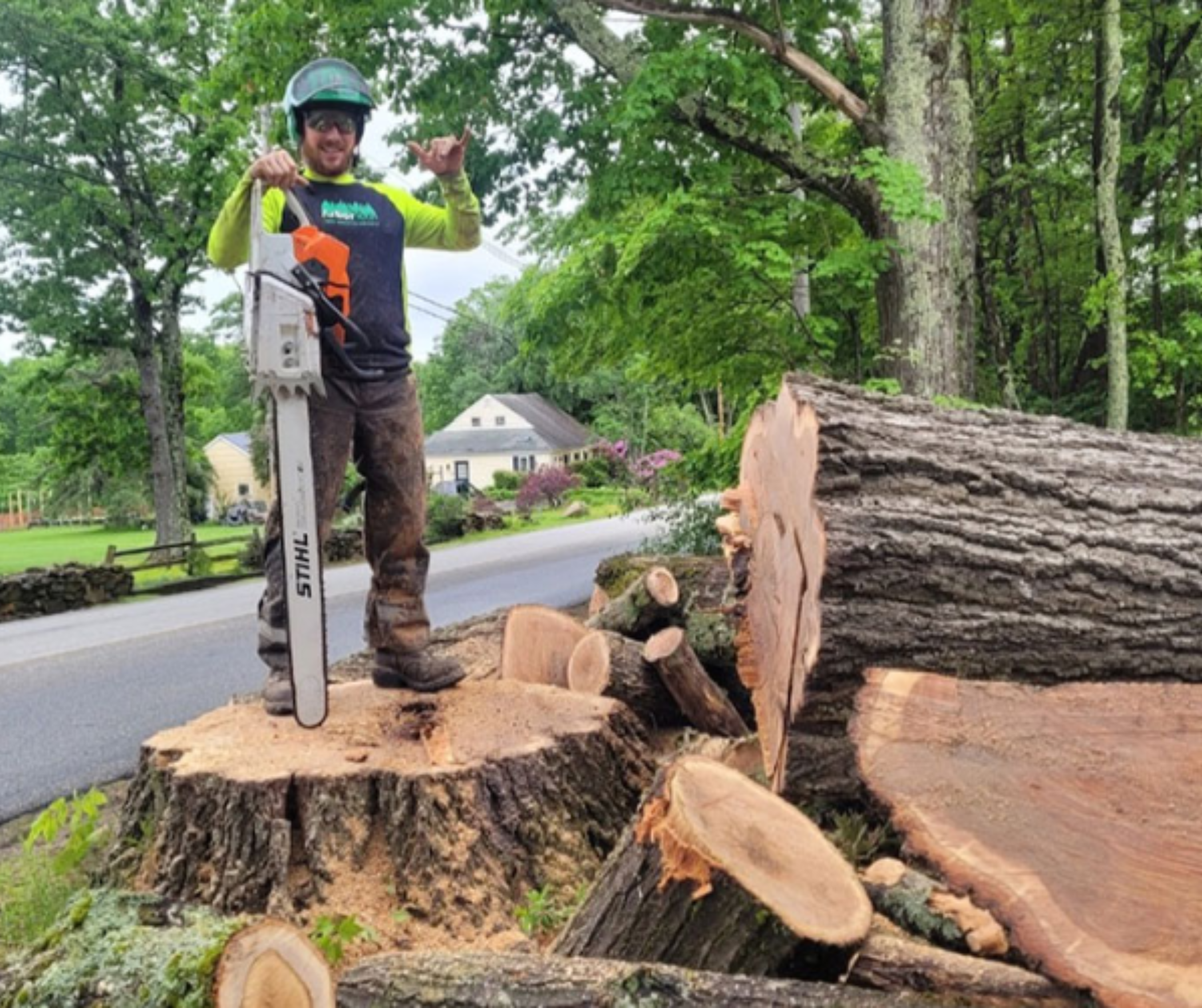
Homeowners throughout Belknap County and the Lakes Region face a unique challenge when managing trees near their homes. While trees provide immense value through shade, property value enhancement, and environmental benefits, their root systems can potentially interact with building foundations in ways that concern property owners. Understanding how tree roots actually function, how they interact with soil and structures, and what truly causes foundation problems enables informed decision making about tree placement and management.
How Tree Root Systems Develop in New Hampshire Soils
Tree root architecture follows predictable patterns based on species characteristics, soil conditions, and environmental factors. In New Hampshire, our soils typically consist of glacial till, which creates a complex layering of sand, silt, clay, and rock fragments. This soil composition significantly influences how roots grow and spread.
Root Growth Patterns and Distribution
Most tree species develop root systems that extend well beyond their canopy drip line, often reaching two to three times the distance from the trunk to the outermost branches. However, the majority of a tree's absorbing roots, those responsible for water and nutrient uptake, exist within the top 12 to 18 inches of soil. These fine roots form an extensive network that can cover an area several times larger than the tree's visible canopy.
In New Hampshire's climate, root growth occurs primarily during two periods: early spring when soil temperatures reach approximately 45 degrees Fahrenheit, and late summer through early fall when moisture levels increase. During winter months, root growth essentially stops as soil temperatures drop below the threshold for biological activity.
Species Specific Root Characteristics
Different tree species exhibit distinct root system behaviors that property owners should understand:
- Silver Maple and Red Maple: These common New Hampshire species develop extensive, shallow root systems that can spread 50 feet or more from the trunk. Their roots are particularly aggressive in seeking moisture.
- White Pine: New Hampshire's state tree develops a taproot system when young, but mature trees rely primarily on lateral roots that spread widely but remain relatively shallow.
- Oak Species: Red oak and white oak develop deep taproots when young, transitioning to extensive lateral systems. Their roots tend to be less aggressive near foundations than maple species.
- Birch and Poplar: These species develop shallow, spreading root systems that can be particularly problematic near structures.
The Science Behind Foundation Damage
Understanding what actually causes foundation problems requires examining soil mechanics, moisture dynamics, and root behavior. The common misconception that roots physically push against foundations and crack them represents an oversimplification of a more complex process.
Soil Moisture Fluctuations and Shrink Swell Cycles
Clay soils, which are common in many parts of Belknap County, expand when wet and contract when dry. This shrink swell behavior creates the primary mechanism for foundation movement. When trees extract large volumes of water from soil near foundations, the soil contracts. This contraction can cause foundations to settle or shift, potentially leading to cracks and structural issues.
The extent of soil moisture extraction depends on several factors:
- Tree species and size: Larger trees with extensive root systems remove more water
- Distance from foundation: Roots within 10 feet of a foundation have the greatest impact
- Soil type: Clay soils show more dramatic shrink swell behavior than sandy soils
- Weather patterns: Extended dry periods increase moisture extraction
Physical Root Contact and Potential Issues
While roots rarely cause direct physical damage to intact foundations, they can exploit existing weaknesses. Roots grow into cracks, joints, and gaps in foundation walls, potentially widening these openings over time. Additionally, roots can interfere with drainage systems, clogging pipes and redirecting water flow in ways that increase hydrostatic pressure against foundation walls.
Prevention Strategies for Belknap County Properties
Effective foundation protection requires a multi faceted approach that balances tree health with structural integrity. The following strategies represent best practices developed through years of arboricultural experience in New Hampshire.
Proper Tree Selection and Placement
Prevention begins with thoughtful tree selection and placement during landscape design or when considering new plantings. As a general rule, trees should be planted at least as far from foundations as their expected mature height. For example, a tree expected to reach 40 feet in height should be planted at least 40 feet from any foundation.
When selecting trees for planting near structures, consider species with less aggressive root systems:
- Serviceberry and Dogwood species develop compact root systems
- Eastern Red Cedar has a moderate root spread
- American Hornbeam develops a fibrous root system that's less likely to cause issues
Root Barrier Installation
For existing trees that cannot be relocated, root barriers provide an effective solution. These barriers, typically constructed from high density polyethylene or similar materials, redirect root growth away from foundations. Professional installation requires careful excavation to avoid damaging existing roots while creating a physical barrier that extends from the soil surface to a depth of at least 24 inches.
Root barriers work best when installed before roots reach the foundation area. For mature trees, barrier installation becomes more complex and may require consultation with a certified arborist to ensure tree health isn't compromised.
Moisture Management Systems
Maintaining consistent soil moisture levels around foundations prevents the shrink swell cycles that cause most foundation problems. Several techniques help achieve this:
- Foundation Watering Systems: Automated irrigation systems that deliver water directly to soil near foundations during dry periods maintain consistent moisture levels
- Mulching: Applying organic mulch in a wide area around foundations helps retain soil moisture and reduces the need for trees to extract water from foundation adjacent soil
- Drainage Improvements: Proper grading and drainage systems ensure water flows away from foundations, reducing the likelihood of soil saturation that can lead to other problems
Recognizing Warning Signs
Early detection of foundation issues enables proactive intervention before problems become severe. Property owners should monitor for these indicators:
Foundation Indicators
- Cracks in foundation walls, particularly those that widen over time
- Doors and windows that stick or become difficult to open and close
- Gaps between walls and ceilings or floors
- Uneven or sloping floors
- Separation between foundation and exterior walls
Tree Health Indicators
- Premature leaf drop or discoloration
- Reduced growth rates
- Dieback in upper branches
- Visible root exposure near foundations
When Professional Assessment Becomes Necessary
When foundation concerns arise, professional evaluation by both a structural engineer and a certified arborist provides the most comprehensive assessment. Certified arborists understand tree biology, root system dynamics, and can recommend solutions that preserve tree health while addressing structural concerns.
In some cases, tree removal may be necessary when trees pose immediate threats to structures or when other mitigation strategies prove insufficient. However, many situations can be resolved through strategic pruning, root management, or moisture control systems that allow trees and structures to coexist safely.
Long Term Management Strategies
Maintaining healthy trees while protecting foundations requires ongoing attention and periodic professional assessment. Regular inspections by certified arborists can identify potential issues before they become serious problems. These inspections should evaluate:
- Tree health and structural integrity
- Root system development and proximity to structures
- Soil conditions and moisture levels
- Foundation condition and any signs of movement
For properties in the Lakes Region, where waterfront regulations may also apply, coordination between arboricultural management and shoreland protection compliance becomes essential. Professional arborists familiar with New Hampshire regulations can navigate these requirements while implementing effective root management strategies.
Conclusion
Understanding tree root systems and their interaction with foundations empowers Belknap County property owners to make informed decisions about tree management. While concerns about foundation damage are valid, most situations can be managed effectively without removing valuable trees. Through proper species selection, strategic placement, moisture management, and professional assessment, homeowners can enjoy the benefits of trees while protecting their property investments.
If you're experiencing concerns about trees near your foundation or need professional assessment of your property's tree and foundation relationship, contact ArborTech NH for a comprehensive evaluation. Our certified arborists bring extensive experience with New Hampshire's unique soil conditions and tree species, enabling us to develop customized solutions that protect both your trees and your property.
Need Professional Tree Assessment?
Our certified arborists can evaluate your trees and develop a management plan that protects your property while maintaining tree health.