What a Tree Inspection Actually Looks For
A tree can look fine from the kitchen window and still be telling a different story up close. In New Hampshire, that gap shows up a lot. A maple that leafed out late in Nashua, an oak with a new...
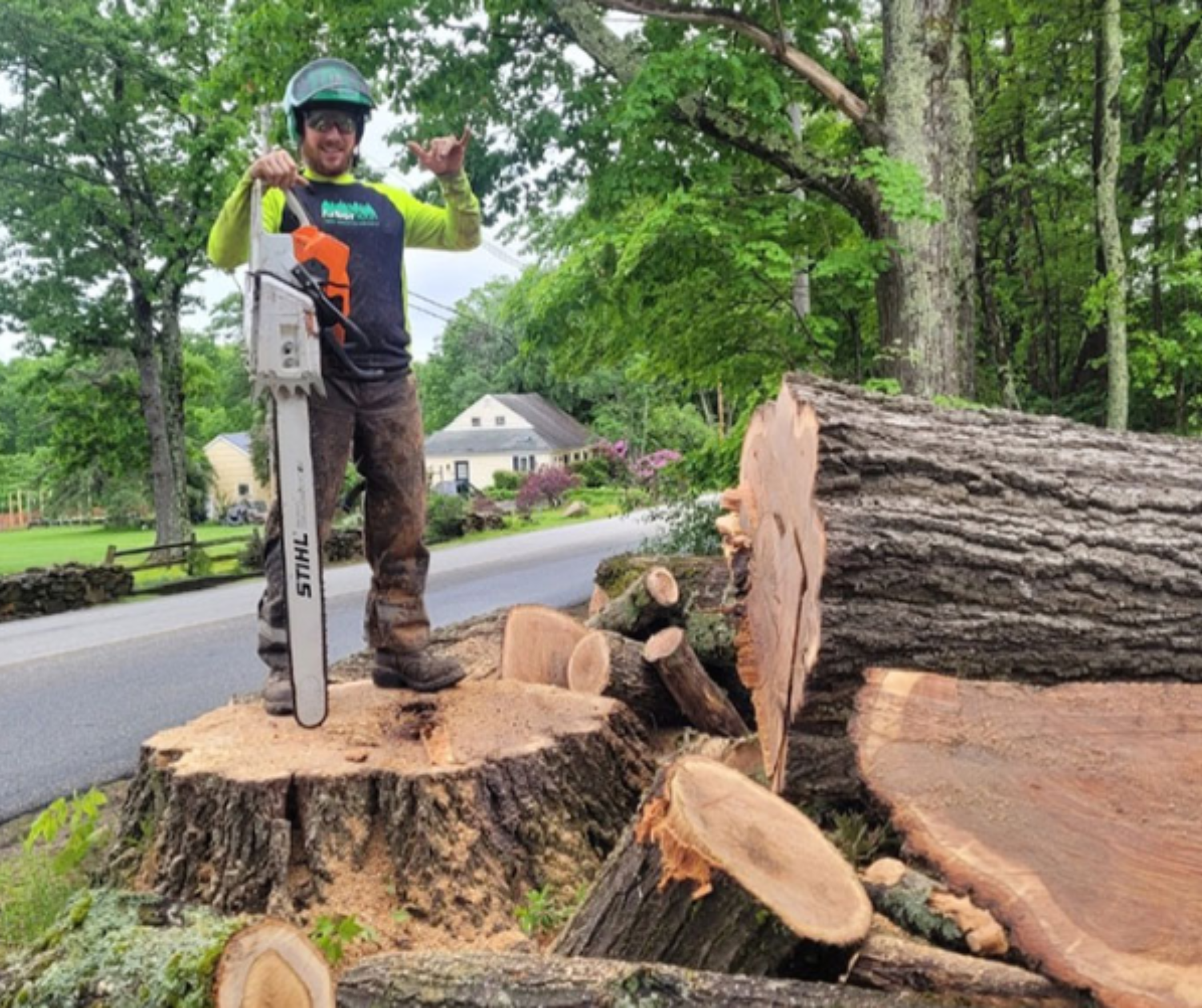
A tree can look fine from the kitchen window and still be telling a different story up close. In New Hampshire, that gap shows up a lot. A maple that leafed out late in Nashua, an oak with a new lean after a wet spring in Concord, a pine that dropped more needles than usual along the Seacoast. A tree inspection is the visit that sorts those clues before anybody starts cutting.
What a tree inspection is, and what it is not
A tree inspection is a professional look at the tree, the site around it, and the risk that tree creates for the property. It is not the same thing as a pruning job, and it is not an automatic recommendation to take the tree down.
Here’s the thing: the useful part of the visit is the explanation. You should leave knowing what the arborist saw, why it matters, and what the next decision actually is. Sometimes that decision is pruning. Sometimes it is monitoring. Sometimes it is removal. The inspection is how you find out which one you are looking at.
Where the arborist starts
Most inspections begin on the ground, walking around the tree before anyone looks up. The base, the soil, and the way the trunk meets the yard often explain the canopy.
The trunk, the base, and the roots you can see
Cracks, cavities, mushrooms at the soil line, and bark that is peeling in sheets are worth a closer look. So is soil that has been piled against the trunk, or roots that were cut during a patio, driveway, or addition. Construction damage does not always show up the same season. It can take a year or two before the canopy thins.
A lean by itself is not a verdict. Plenty of healthy trees grow at an angle. What matters is whether the lean is new, whether the soil on one side is lifting, and whether the trunk shows a crack on the opposite side. Those details change the conversation.
The canopy and the branches that carry weight
Dead wood, branches that cross and rub, and limbs with a weak attachment at the trunk are the usual canopy notes. An arborist is also looking at how the weight sits. A heavy limb over a roof, a driveway, or a play area is a different problem from the same limb over an open lawn.
Thinning leaves on one side, early fall color, or a branch that leafs out while the rest of the tree does not are decline clues. They are not a do-it-yourself diagnosis. They are reasons to have someone who works with trees explain what they are seeing.
What the property around the tree changes
A tree in an open field and a tree tucked between a house and a fence are not the same inspection. Access, targets, and how the tree will be worked later all belong in the notes.
In tighter New Hampshire yards, the questions get practical fast. Can a crew reach the tree without crossing a septic area or a new lawn? Is the limb over a neighbor’s roof or your own? Is the tree part of a screen you want to keep, or is it the one tree making the whole side of the house dark and damp?
Those details do not decide the biology. They decide what a sensible plan looks like if work is recommended.
What you should hear before the visit ends
A clear inspection sounds specific. “This limb is dead” is more useful than “the tree looks rough.” You should be able to point at the same spot the arborist pointed at.
Questions worth asking on site
Ask what the main concern is, whether it is structural, a pest or disease issue, or simple crowding. Ask what would change if you waited a season. Ask whether the recommendation is pruning, a follow-up look, or removal, and what each option leaves behind.
Ask who would do the work if you move forward, and whether the written notes match what you were told in the yard. A good visit does not get vaguer once it turns into a proposal.
What a written summary should include
You want the tree identified in plain language, the conditions that matter, and the recommended next step. If more than one tree was looked at, each one should be separate. A single sentence that covers the whole yard is not an inspection. It is a shrug.
When an inspection is the right first call
Call for a look when something changed and you cannot tell whether it matters. A new crack, a sudden lean, mushrooms at the base after a wet year, or a canopy that thinned on one side are all in that category. So is a tree you are about to build near, or one a buyer, tenant, or property manager has asked about.
Storm damage is its own situation. If a limb is hanging, a tree is on a structure, or wires are involved, that is an urgent call, not a casual walkthrough. For everything short of that, an inspection is how you avoid guessing.
Try one thing before you book the work itself: have the tree looked at and get the findings in writing. The cutting decision gets much easier once you can see what the visit actually found.
Disclaimer: This article is for general informational purposes only. It is not professional advice, a quote, or a service agreement. Conditions at your home or property may differ; contact a qualified professional for an on-site evaluation before making repair, safety, or spending decisions.
Need a Lakes Region tree visit?
Send photos and notes, then request an estimate. We will explain what we can confirm and what comes next.