What Happens to Tree Debris After Removal?
A tree coming down is only half the job. The other half is tree debris removal, and that’s the part that often surprises you, because a few cut limbs can turn into a driveway full of brush, trunk...
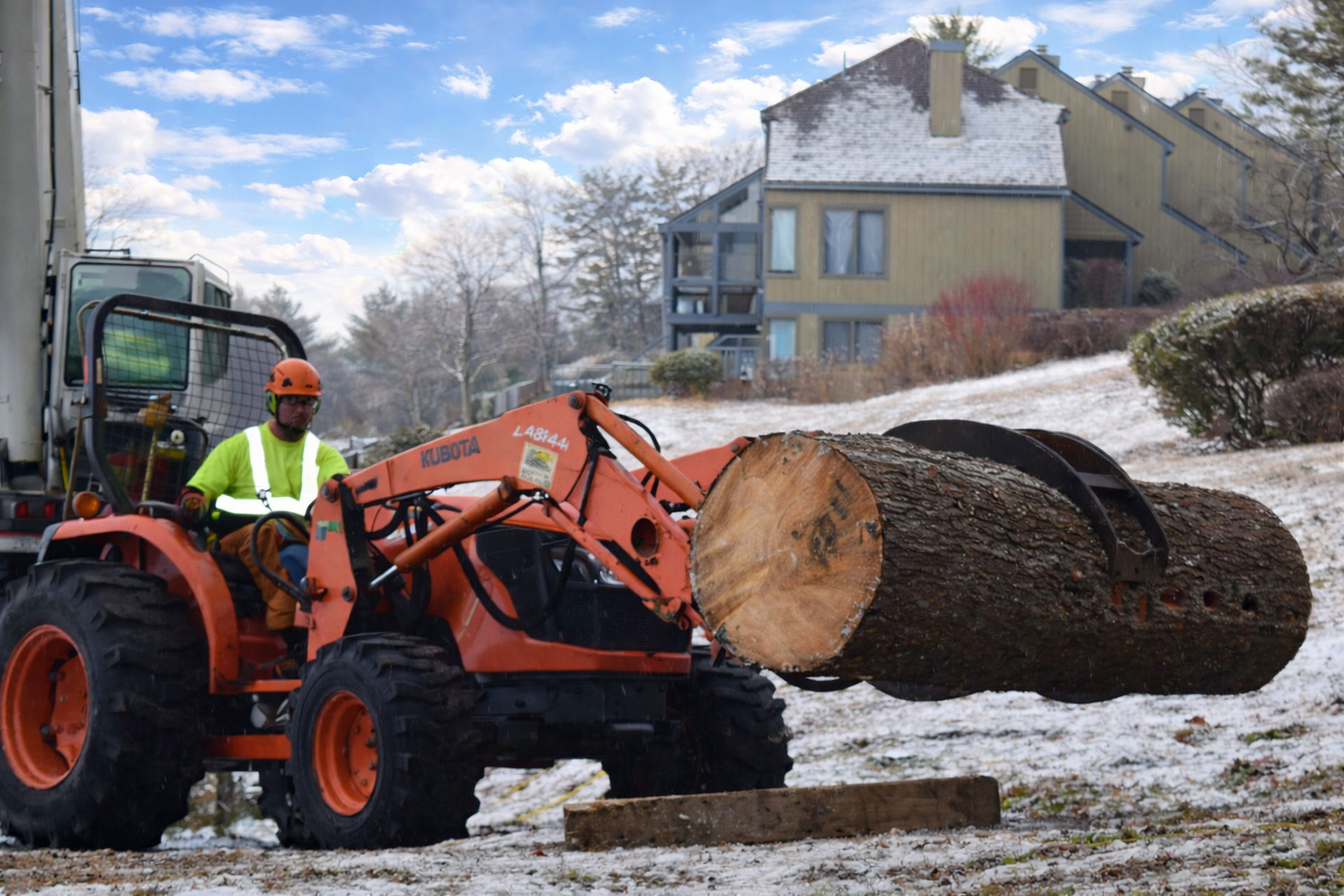
A tree coming down is only half the job. The other half is tree debris removal, and that’s the part that often surprises you, because a few cut limbs can turn into a driveway full of brush, trunk rounds, chips, and sawdust fast. Once the cutting is done, that material usually gets chipped, hauled off, recycled, reused, or left on site if cleanup was not included.
What happens to tree debris after removal?
In plain English, most tree debris ends up in one of a few places: a chipper, a firewood pile, a composting or green-waste facility, a specialty reuse stream, or, in some cases, a landfill. The best outcome depends on what the debris is made of, how clean it is, and what local disposal options exist.
Here’s the thing: tree removal and tree debris removal are related, but not always bundled together. If a quote only covers cutting down the tree, you can end up with logs, brush, or stump grindings still sitting in your yard after the crew leaves. That catches a lot of people off guard.
A simple way to think about it is this: the tree gets taken apart into categories, then each category goes to the most practical next use. Small branches become mulch. Bigger trunk sections may become firewood. Leaves and mixed brush may get composted. Material that is contaminated, rotted, or mixed with trash may have fewer options.
What counts as tree debris
Tree debris removal means clearing away the natural material left behind after pruning, removal, storm damage, or stump grinding. That usually includes branches, brush, logs, trunk sections, leaves, twigs, wood chips, and sometimes sawdust or stump grindings.
You will also hear the phrase green waste. That just means natural plant material, like limbs, leaves, and brush. It does not mean a random pile with broken fence boards, old flower pots, and chunks of concrete tossed in.
The most common materials left behind
The debris depends on the kind of job. After light pruning, you may only have a neat pile of limbs and leafy cuttings. After a full tree removal, you’re usually dealing with brush, large wood rounds, trunk sections, sawdust, and scattered bark.
Storm cleanup is messier. Branches can be twisted into fences, dropped across sheds, or spread across the whole property. Stump grinding creates a different kind of debris, more like a mound of shredded wood and soil than a pile of branches.
That difference matters because a few limbs by the curb are one thing. A yard covered in oak rounds the size of side tables is another.
What usually does not count
Not everything in a yard pile counts as tree debris. Fencing, dirt, rocks, treated lumber, painted wood, concrete, metal, trash, and general construction debris often need separate disposal.
That matters for price and pickup. If a load is mixed, a green-waste site may reject it, which means extra sorting, another dump fee, or a trip to a landfill instead. In other words, a clean pile is easier and cheaper to deal with.
Where tree debris usually goes
Most tree debris does not need to go to waste. In many cases, it gets reused in some form, especially the brush and clean wood that can be chipped, composted, or processed into firewood.
The exact destination depends on the material, but the common paths are pretty straightforward.
Chipped into mulch
This is one of the most common outcomes after tree work. Branches and smaller wood go through a chipper and come out as wood chips that can be used as mulch in landscaping, along walking trails, or for erosion control.
Chipping makes bulky brush much easier to handle. A messy heap of limbs becomes a more compact load that can be hauled, spread, or reused on site. If you have garden beds or natural areas, keeping chips can be useful. If not, the crew may haul them to a yard that accepts or redistributes mulch.
Cut and split for firewood
Larger sections of trunk, especially hardwoods, may be cut into firewood lengths and split later. Oak, hickory, and similar dense woods are often worth saving if the wood is sound.
The catch is that fresh wood is usually not ready to burn right away. It needs time to season, which simply means drying out enough to burn cleanly and efficiently. If you picture a cozy fire the same weekend the tree comes down, that usually isn’t how it works.
Taken to a green-waste or composting facility
Leaves, twigs, brush, and mixed yard material often go to a green-waste facility, meaning a site that processes natural yard debris into compost, mulch, or soil products. This is a common destination when the load is too mixed for firewood but still clean enough to recycle.
Many towns and counties use yard-waste programs like this, though the rules vary a lot by area. In some places, municipal crews pick up bundled limbs from the curb. In others, you need a private hauler or arbor crew to take the material away.
Reused for specialty products or biomass
Some wood has more value than you’d expect. Clean chips can become animal bedding. Fibrous material can go into paper products. Lower-grade wood can be turned into biomass fuel, which is burned to generate energy. High-value logs may even be milled into boards if the species, size, and condition make that worthwhile.
This is not the path for every removal job, but it happens more often than most people realize. A straight walnut trunk and a rotted storm-split pine do not have the same future.
Sent to the landfill when it Can’t be recycled
Landfill is usually the last resort, but it does happen. If debris is contaminated, painted, mixed with junk, badly diseased, or full of soil and construction material, recycling options shrink fast.
That is one reason crews care about keeping piles clean while working. Once natural debris gets mixed with the wrong stuff, the whole load may have to be dumped instead of reused.
What changes the outcome for your debris
Where your debris ends up is not just about company preference. It comes down to what the material is, what shape it is in, and what disposal outlets are available nearby.
Two piles can look similar from the street and still be handled completely differently.
The size and type of tree
Brush from a crepe myrtle is easy to chip and move. Massive trunk sections from a mature oak may need heavy equipment just to load. Species matters too, because some woods are better for mulch, some for firewood, and some are simply too stringy, wet, or messy to bother processing in certain ways.
Diameter changes labor. Moisture changes weight. Wood quality changes reuse value. All of that affects what happens next.
The condition of the wood
Healthy, clean wood has more options. Rot, fungus, pest damage, and storm contamination can narrow them fast. If the tree is decayed inside, the trunk may look solid until it gets cut open, then turn out to be soft and useless for firewood or milling.
Safety matters too. If material is unstable, cracked, or packed with dirt and embedded metal, processing becomes more trouble than it is worth.
Local rules and facility access
Local rules shape a lot of debris decisions. Some cities offer curbside branch pickup with exact bundling limits. Some counties run yard-waste drop-off sites. Some areas have burn bans or restrictions on transporting certain pest-infested wood.
In a place like Atlanta, curbside branch pickup rules can vary block by block depending on the city service area, which is why one neighborhood can set limbs out for collection while another gets a refusal. Facility access matters just as much. If the nearest green-waste yard is 25 minutes away, hauling costs go up.
Whether debris removal was included in the job
This is the big one. Tree removal does not automatically mean full cleanup. Some estimates include cutting only. Some include brush haul-away but leave the logs. Some include stump grinding but leave the grindings in a pile.
If the scope is vague, surprises follow. A written estimate should make it clear what leaves the property and what stays.
What happens during professional tree debris removal
On job day, debris removal usually follows a simple sequence. The cutting gets most of the attention, but cleanup is its own operation, and it takes real labor, time, and equipment.
Cutting, sorting, and staging
Once material is on the ground, it gets cut into manageable pieces, sorted by type, and staged for the next step. Branches are stacked for chipping. Larger wood is cut into rounds or sections. Hazardous pieces get moved out of walkways and drive areas.
This hidden part affects cost more than most people expect. A backyard with steep access, a fence gate, and a lot of scattered storm debris takes longer to clean than a front-yard removal with easy truck access.
Chipping and loading
Smaller brush is usually fed into a chipper. Heavier wood gets loaded separately, sometimes by hand, sometimes with a skid steer, crane, loader, or grapple truck depending on the size and access.
That equipment changes the pace of the job. A crew with a grapple truck can clear huge volume quickly. A crew carrying rounds through a narrow side yard moves slower, because there is no shortcut around weight.
Hauling and dumping or recycling
After the truck leaves, the debris still has one more trip to make. Depending on the load, it may go to a dump site, a composting yard, a firewood lot, or another recycling outlet.
More trips usually mean a higher bill. That sounds obvious, but it matters when the pile looks smaller than it really is. Tree debris has a way of multiplying once it gets cut up and loaded.
Can you keep the wood or mulch instead?
Yes, you can often keep some or all of the debris if you ask ahead of time. That choice can change pricing, labor time, and how the crew plans the cleanup.
For some properties, keeping material makes perfect sense. For others, it becomes a giant pile you regret by mid-afternoon.
Keeping firewood
Keeping logs or trunk sections can be a good idea if you have the right kind of wood, space to store it, and a real use for it. Dense hardwoods are the usual winners here.
But there’s a limit. Fresh rounds are extremely heavy, pests can be a concern in some regions, and unsplit wood takes work to process. If you do not burn wood or have room to stack it properly, leaving it behind can feel less like savings and more like an unfinished chore.
Keeping wood chips for landscaping
Wood chips can be useful around trees, garden beds, informal paths, and naturalized areas. They help cover bare soil and can improve the look of a freshly worked area.
The trick is volume. A chip pile is almost always bigger than you expect. One truckload can take over a driveway by mid-afternoon, especially if the tree was large and leafy. Chips are great if you have a plan for them. Not so great if you just thought a “small pile” sounded manageable.
Asking for partial cleanup
You do not always have to choose all or nothing. You can ask for brush to be hauled away while logs stay on site. You can ask for the stump to be ground but the chips left behind. You can even ask for certain rounds to be cut shorter for later splitting.
That kind of partial cleanup is common, and it can help control cost without turning your yard into a storage area.
How much tree debris removal usually costs
Tree debris removal cost is usually shaped more by labor, volume, and hauling than by the tree itself. You are paying for cutting, loading, transport, disposal, and sometimes special equipment.
That means two jobs with similar-looking piles can price very differently.
What affects the price
Volume is the obvious factor, but weight matters too. Wet wood costs more to move than dry brush. The number of trips affects fuel, time, and dump fees. Equipment needs can raise the bill, especially if large logs require machinery or access is tight.
Urgency changes things as well. After a storm, cleanup often costs more because demand spikes and the work is messier. A neatly stacked brush pile by the curb is cheaper to remove than scattered limbs across a fenced backyard.
Debris removal as part of tree removal vs. standalone cleanup
Cleanup is usually cheaper when it is bundled into the original tree job. The crew, truck, chipper, and labor are already on site, so hauling debris away is part of one operation.
Standalone cleanup often costs more per load. If you call later for haul-away only, the crew has to travel out, assess what is left, load from scratch, and make disposal trips without the efficiency of doing it during the original removal.
Ways to save without creating a bigger mess
The simplest way to save is to bundle cleanup with the removal instead of treating it as an afterthought. If you are handling some of the material yourself, be realistic. Keeping chips on site can reduce hauling cost. Stacking brush in one accessible area can reduce labor. Scheduling non-emergency work also helps when you are not competing with storm demand.
Just do not save a monthly rate that depends on scope and local market conditions only to create a six-month yard problem. Cheap cleanup that leaves chaos behind is not actually cheap.
Common questions to ask before the crew starts
A short conversation before the saw starts can prevent most misunderstandings. You do not need a long checklist, just clear answers on the parts that affect cleanup and cost.
Is haul-away included in the quote?
Ask exactly what is being removed and what is staying. That includes brush, trunk wood, stump grindings, sawdust, and wood rounds. “Cleanup included” can mean different things to different crews, so specifics matter.
If it is not written down, treat it as unsettled.
Will the debris be recycled?
If reuse matters to you, ask where the material is going. Some crews chip and recycle most of it. Some haul mixed loads to green-waste facilities. Some may dump certain material if contamination or disease is involved.
A simple answer is enough. You just want to know if the plan is mulch, compost, firewood, landfill, or some mix of those.
Can you remove debris from another Company’s job or a storm?
Sometimes the tree is already down and all you need is cleanup. That is common after storms, after a DIY cutting job, or after a contractor leaves logs and brush behind.
Many arbor crews and haul-away services will take on debris-only work, but the price can differ from a full tree service visit because the job starts with loose material and no bundled workflow.
Do you handle large logs and trunk sections?
Not every crew hauls oversized logs without extra equipment. Big trunk sections are a different challenge from brush and limbs, especially with narrow gates, slopes, retaining walls, or soft ground.
If the wood is huge, ask how it will be moved. That answer tells you a lot about timing, access, and potential added cost.
Tree debris removal FAQs
Who picks up tree branches?
That depends on the amount and where you live. Small bundled branches may be accepted by city yard-waste pickup. Larger piles usually need a private hauler or tree service crew. If the debris came from a removal job, the arbor crew often handles it only if haul-away is part of the quote.
Can tree debris be left at the curb?
Sometimes, yes, but only if local rules allow it. Some areas require branches to be cut to certain lengths, tied in bundles, or placed out on specific collection days. Other places will not take large limbs or loose brush at all, so curb placement only works if you know the rules first.
What happens to stump grindings?
Stump grindings are often left on site unless removal is requested. You can use them as fill in the old stump area or spread them in low-use spots, but they are not always ideal as finished mulch because they break down differently and may contain a lot of fine material.
Is burning tree debris a good idea?
Usually not. Burning can require permits, local approval, safe weather conditions, and a lot more patience than people expect. Smoke, fire risk, and neighborhood restrictions turn it into a hassle quickly. Chipping or hauling is usually the simpler fix.
What should you try first?
Ask for a written quote that spells out exactly what gets hauled away, what gets recycled, and what stays in your yard. That one step clears up most of the confusion before the first branch hits the ground.
Disclaimer: This article is for general informational purposes only. It is not professional advice, a quote, or a service agreement. Conditions at your home or property may differ; contact a qualified professional for an on-site evaluation before making repair, safety, or spending decisions.
Need a Lakes Region tree visit?
Send photos and notes, then request an estimate. We will explain what we can confirm and what comes next.