When to Prune Trees for Healthier Growth and Fewer Mistakes
Figuring out **when to prune trees** gets confusing fast, especially when a tree looks shaggy, a limb starts hanging over the driveway, or a storm leaves a split branch staring at you every...
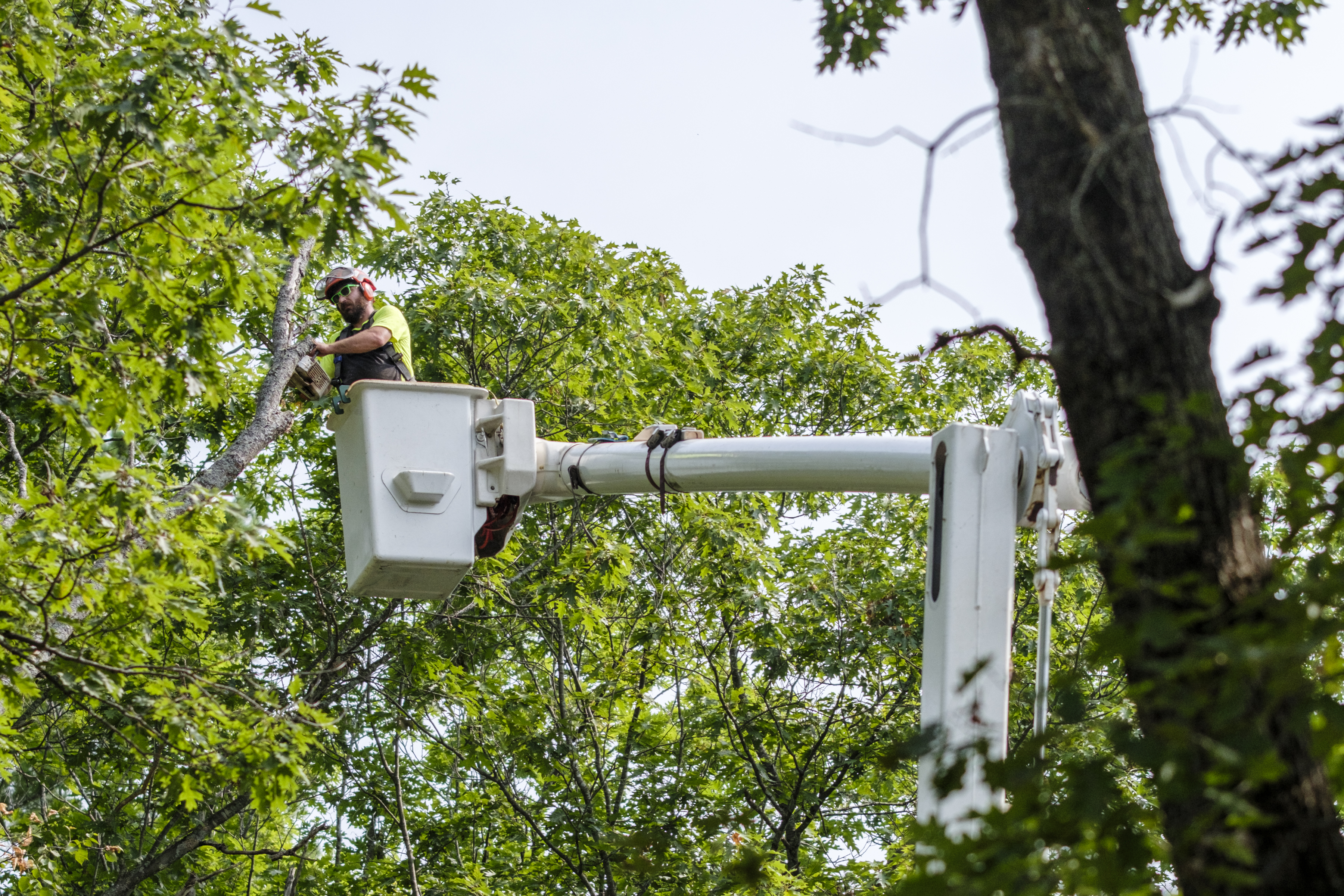
Figuring out when to prune trees gets confusing fast, especially when a tree looks shaggy, a limb starts hanging over the driveway, or a storm leaves a split branch staring at you every morning. The short answer is simple: most trees do best with pruning in late winter, but the right timing changes if safety, flowering, fruit, or disease risk is part of the picture.
A useful way to think about pruning is this: every cut is a small wound, and timing decides how well your tree handles it. You’re not just making it look better. You’re shaping future growth, reducing risk, and avoiding mistakes that can haunt the tree for years.
When to prune trees depends on what you’re trying to fix
If your goal is general cleanup, shape, or structure, timing matters. If your goal is preventing a branch from smashing a gutter, safety comes first.
The general rule: late winter is usually the sweet spot
Late winter to early spring is the best time to prune many trees because growth is still dormant. Branches are easier to see without a full canopy, cuts are less stressful, and the tree is about to push into active spring recovery. In plain terms, you get a clearer view and the tree gets a better shot at sealing cuts cleanly.
For many shade and fruit trees, this is the default season unless a species-specific issue changes the plan.
Times when you should prune right away instead
Broken limbs, storm damage, dead branches, and anything scraping the roof or hanging over a power line should not wait for the perfect month. A cracked limb over a sidewalk is a hazard now, not a winter project.
The catch is that urgent pruning should stay focused. Remove the risk, then save cosmetic shaping or major thinning for the proper season if possible.
Why timing matters more than most people think
A lot of pruning mistakes happen because cutting seems harmless. It isn’t. Bad timing can mean slower healing, lost blooms, weak regrowth, and more pest trouble.
Better healing and less stress on the tree
Pruning creates a wound. Trees do not heal the way skin does, but they seal off the cut over time. That sealing process is called wound closure, which just means the tree grows tissue around the cut to protect itself.
When you prune during dormancy or just before active growth, that closure usually starts faster. Done at the wrong time, the tree stays stressed longer.
Less risk of disease and insect problems
Some species are more vulnerable at certain times of year. Oaks and elms are the big examples. Fresh cuts can attract pests or open the door to disease when activity is high.
Here’s where it gets interesting: one-size-fits-all advice falls apart because not every tree carries the same risk. In places such as Texas and parts of the Midwest, avoiding oak pruning during warm-season beetle activity can help reduce oak wilt concerns.
Stronger structure and cleaner future growth
Good timing helps you guide branch spacing, canopy height, and overall balance before small issues turn into expensive ones. A low branch over your truck at 7 a.m. on trash day is annoying. That same branch, two years later, can become a removal job.
The best season to prune by tree type
Tree type changes everything. An oak, a magnolia, and a peach tree do not want the same schedule.
Shade trees
Maples, oaks, elms, ash, and similar landscape trees usually respond well to dormant-season pruning. Late winter is especially good for structure, clearance, and size control. You can see the framework clearly and make fewer random cuts.
Flowering trees
Flowering trees need a different mindset because bloom timing matters. Some bloom on old wood, meaning last year’s growth. Others bloom on new wood, meaning fresh growth from the current season.
Trees that bloom on old wood
Dogwood, magnolia, redbud, and crabapple often set flower buds before winter. If you prune too early, you cut off next season’s show. If blooms matter to you, prune right after flowering.
Trees that bloom on new wood
Trees that flower on new growth are usually better candidates for late winter or early spring pruning. You’re less likely to remove flower buds, and the fresh flush of growth can actually help.
Fruit trees
Apples, pears, and peaches are usually pruned in late winter while dormant. That helps with shape, sunlight, airflow, and fruit production. Light summer pruning can also help calm overly vigorous shoots, but heavy cuts belong in the dormant season.
Evergreens
Pines, spruces, firs, and arborvitae play by different rules. Light shaping at the right growth stage works best. Heavy cutting back into old bare wood often leaves permanent gaps, which is frustrating and hard to fix.
The worst times to prune trees
Some timing mistakes are common because the weather feels pleasant and the tree is right there. Pleasant weather is not a pruning rule.
Fall pruning can create extra problems
Fall is often a poor time for non-urgent pruning. Fresh cuts may recover slowly as growth winds down, and warm spells can encourage tender new growth at exactly the wrong time before winter.
Heavy pruning during active spring growth
Big cuts during leaf-out can put extra stress on some trees. The tree has already spent energy pushing new growth, and a hard prune can set it back. Emergency cuts are different. Elective heavy trimming can usually wait.
High-risk periods for certain species
High-risk windows matter most for trees with known disease pressure. Oaks are the classic case. In parts of Texas and the Midwest, warm-season pruning can increase exposure to oak wilt vectors. Elms can face similar timing concerns with disease and insect activity.
How to know your tree is ready for pruning
Sometimes you don’t know the species right away, but the tree still gives clear signals.
Dead, damaged, or crossing branches
Dead wood is often brittle, dry, and leafless when the rest of the tree looks normal. Crossing branches rub and create wounds. Storm splits and hanging limbs are obvious candidates for removal.
Dense canopies that block light and airflow
If the canopy feels packed and heavy, selective thinning may help. The trick is selective. You want better light and airflow, not a hacked-up silhouette.
Low clearance, poor shape, or fast-growing limbs
Branches brushing the roof, blocking a walkway, or slapping a truck mirror are practical signs that pruning is due. Fast-growing upright limbs can also throw off shape in a hurry.
How to prune without making the tree harder to fix later
Good timing helps, but bad technique can still undo it.
Start with the branches that need to go
Dead, damaged, diseased, and weakly attached limbs come first. That keeps the job from turning into random cutting because the tree looked too full.
Make clean cuts in the right spot
Cut just outside the branch collar, the slightly swollen area where the branch meets the trunk. Don’t cut flush against the trunk, and don’t leave long stubs. Both mistakes slow sealing and invite problems.
Don’t Remove too much at once
A good rule is to avoid removing more than about 25 percent of the canopy in one session. More than that can stress the tree and trigger a mess of weak regrowth.
Skip topping, even if the tree feels too tall
Topping is one of the worst pruning mistakes you can make. It leaves large wounds, sparks weak shoots, and often makes the tree look worse within a season or two.
Mistakes that lead to weak growth, lost blooms, or bigger bills
Most pruning regrets come from simple errors that snowball.
Pruning at the wrong time for flowering trees
This is the classic mistake. Cut a spring bloomer at the wrong moment, and you lose flowers for the next season.
Using dull or dirty tools
Dull blades tear instead of cut. Dirty tools can spread disease. Clean, sharp tools make a real difference.
Treating every tree the same
A mature oak, a peach tree, and an ornamental crabapple need different timing and different cuts. Treating every tree alike is how small jobs turn into expensive ones.
When to call a pro instead of trying to handle it yourself
Some jobs stop being yard work and start being hazard work.
Trees near structures, streets, or power lines
Large limbs over homes, parking areas, sidewalks, or electrical lines are not a ladder-and-hope situation. Risk climbs fast once targets and height are involved.
Large mature trees or possible disease issues
If you notice decay, fungus, major splits, pest symptoms, or a lot of dead upper canopy, get an arborist’s opinion before cutting. One wrong cut can make a compromised tree less stable.
If you need pruning and removal help at the same time
Sometimes one tree needs shaping, another is declining, and a third is already dead. That’s a good time to bring in a tree service that can assess the whole property instead of treating each problem in isolation.
A simple pruning calendar you can actually use
Keep this rule of thumb handy.
Late winter
Best for most structural pruning, many shade trees, and most fruit trees during dormancy.
Spring
Best for old-wood flowering trees right after blooms fade, plus cleanup from winter damage.
Summer
Fine for light corrective pruning, hazard removal, and slowing vigorous growth in some trees.
Fall
Usually the season to hold off on non-urgent pruning and schedule an inspection instead.
Quick answers about when to prune trees
Can you prune trees in summer?
Yes, for light corrective work, dead wood, and hazards. Heavy summer pruning is usually a bad idea unless there’s a specific reason.
Is winter always the best time?
No, but it’s often the best time for many shade and fruit trees. Flowering trees and disease-prone species can need a different schedule.
What if you prune at the wrong time?
You may lose blooms, stress the tree, encourage weak regrowth, or raise disease risk. Usually it won’t ruin a healthy tree in one shot, but repeated bad timing adds up.
How often should trees be pruned?
Young trees may need attention every 2 to 3 years to build structure. Mature trees often do well on a 3 to 5 year cycle, though faster-growing or high-traffic locations may need more frequent care.
If you remember just one thing, make it this: prune for the goal, not just the season. Check the tree, check the risk, and if the job involves height, heavy limbs, or uncertain health, get a pro to look at it before you start cutting.
Disclaimer: This article is for general informational purposes only. It is not professional advice, a quote, or a service agreement. Conditions at your home or property may differ; contact a qualified professional for an on-site evaluation before making repair, safety, or spending decisions.
Need a Lakes Region tree visit?
Send photos and notes, then request an estimate. We will explain what we can confirm and what comes next.