When to Remove a Tree: A Practical Guide for Lakes Region Homeowners
Clear signs it is time to remove a tree on your New Hampshire property, when to save it instead, and how to get a professional assessment in Belknap County and the Lakes Region.
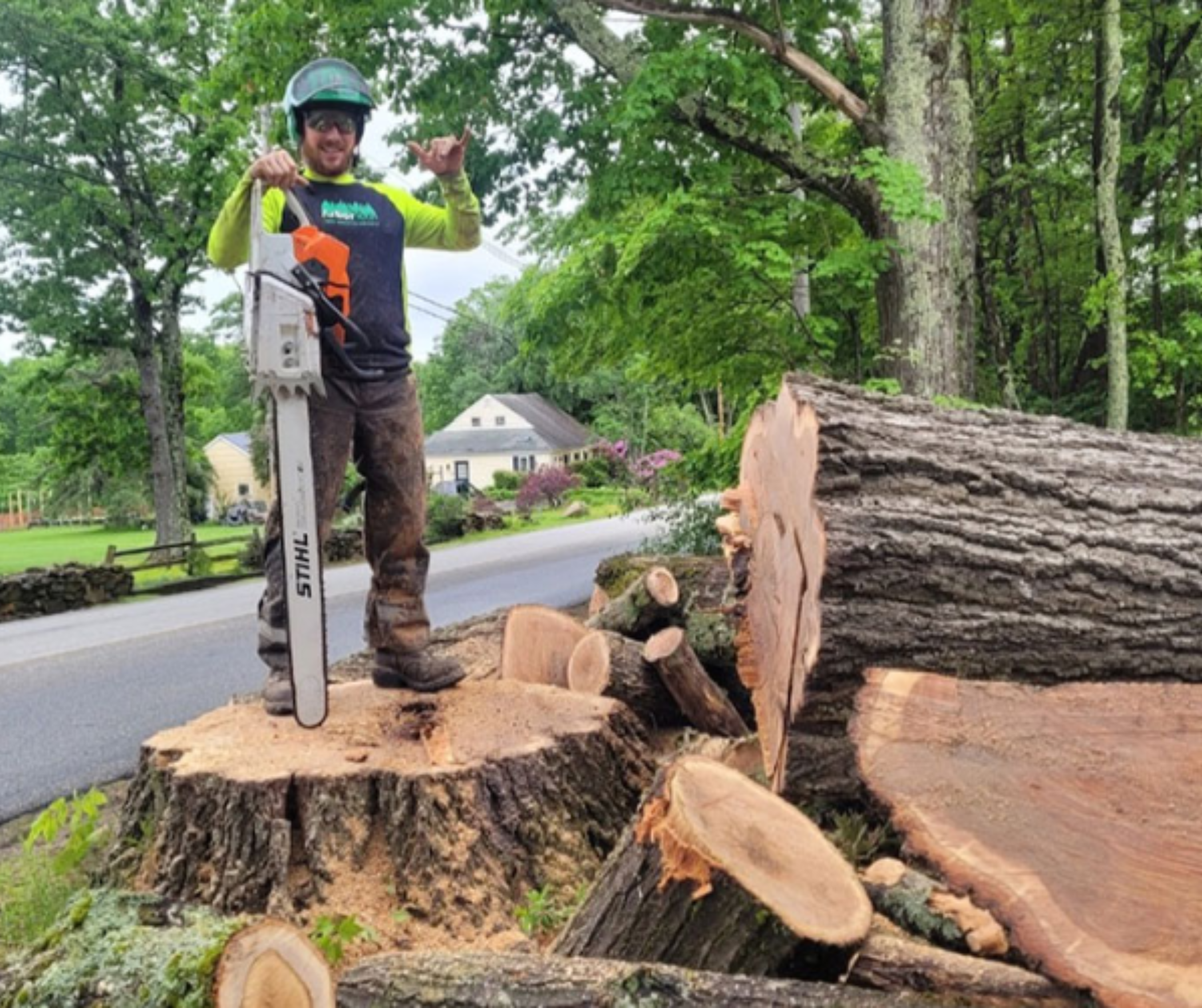
That oak by the driveway has looked rough for a while. The maple near the house drops big limbs every storm. If you are wondering whether to remove a tree or try to save it, you are not alone. Around Laconia, Meredith, and Gilford we see the same questions every season. Here is a straightforward way to think about it, plus when to call in a pro.
Signs a Tree Should Come Down
Some situations point clearly toward removal. The goal is to keep your family and property safe without taking down trees that still have years of good life left.
Dead or Dying Canopy
When a tree stops putting out leaves on most or all of its branches, it is not coming back. A few dead limbs are normal; a bare crown in summer is not. In the Lakes Region, if you see no green by mid June on the main part of the tree, that tree is likely dead or close to it. Dead trees become brittle and drop branches or fall entirely, especially in wind and ice. Those are the ones we recommend removing before they cause damage.
Major Trunk or Root Problems
Large cracks in the trunk, big cavities, or mushrooms growing from the bark often mean serious internal decay. Roots that are broken, cut, or buried under new pavement can leave a tree unstable. If the tree is already leaning and the soil is heaving at the base, it may be ready to fall. In cases like these, professional tree removal is the safe choice.
Placement That Puts People or Property at Risk
Even a healthy tree can be the wrong tree in the wrong place. If it hangs over the house, the driveway, or the kids' play area, one bad storm can turn it into a hazard. We see this a lot on Lake Winnipesaukee lots where trees were left too close to cottages and docks. When the only way to eliminate the risk is to remove the tree, removal is the responsible move.
When It Might Be Worth Saving the Tree
Not every sick or damaged tree needs to come down. Many can be helped with care and time.
Partial Dieback or Thinning
If only one section of the tree is dead or thin and the rest still has healthy leaves, the tree may recover. Pruning out the dead wood reduces weight and improves air flow, which can help the rest of the tree. A certified arborist can tell you whether the cause is something that will spread or something that can be managed.
Minor Storm Damage
Broken branches or a few torn limbs do not automatically mean removal. Cleanup cuts and light pruning often get the tree back on track. We do this routinely after ice and wind events in Belmont, Alton, and Gilmanton. The key is to fix the damage before decay gets into the wounds.
Young or Middle Aged Trees With Fixable Issues
Poor structure, crossed branches, or weak forks can often be corrected with structural pruning over several years. If the trunk is solid and the tree is not threatening anything, investing in pruning can add decades of life and reduce future storm risk.
Getting a Reliable Answer
When the decision is not obvious, get an on site assessment. Someone who works in your area can factor in our soils, weather, and common tree problems.
What a Good Assessment Covers
- Overall health: Leaves, bark, and new growth
- Structure: Leans, cracks, cavities, and weak forks
- Root area: Soil movement, girdling roots, and damage from construction
- Targets: What would get hit if the tree or big limbs failed
From that, you can get a clear recommendation: remove now, remove in the next few years, or save with pruning and care.
When Removal Is the Recommendation
If you do need tree removal, choose a team that is insured and experienced with trees near homes and power lines. For large trees or tight spots, crane services can make the job safer and limit impact on your yard. In shoreland areas, your crew should know shoreland protection rules so the work is done correctly.
Summary
Remove when the tree is dead or dying, when the trunk or roots are seriously compromised, or when its location creates real risk to people or property. Consider saving the tree when damage is limited, the trunk is sound, and pruning can fix structure or remove dead wood. When in doubt, get a professional opinion from someone who serves the Lakes Region and Belknap County. That way you make a decision you can feel good about for years to come.
Not Sure Whether to Remove or Save Your Tree?
Our team can assess your tree and give you a clear, honest recommendation. We serve Laconia, Meredith, Gilford, and the rest of the Lakes Region.