What to Do After Tree Removal: Stump Grinding, Replanting, and Next Steps
A practical guide to stump grinding, filling the space, and replanting after a tree is removed on your Lakes Region or Belknap County property in New Hampshire.
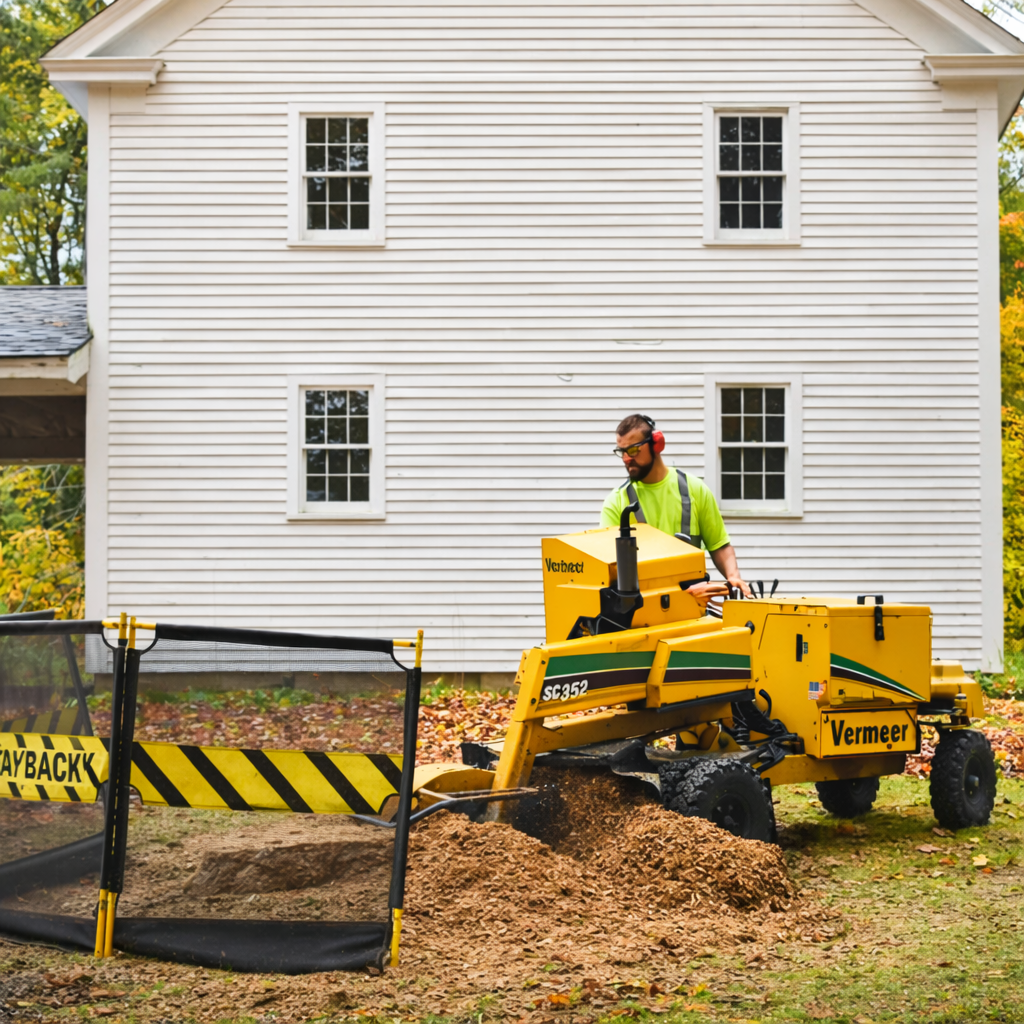
The tree is down and the crew has left. What happens next? Many homeowners in Laconia, Meredith, and Gilford ask the same thing. You have a stump, maybe a pile of wood chips, and a bare spot. Here is how to handle the stump, what to do with the area, and when it makes sense to plant again.
Dealing With the Stump
Leaving the stump in place is an option, but it usually causes more work later. Stumps take years to rot, attract insects, get in the way of mowing, and can sprout new growth. Most people in the Lakes Region choose to remove or grind the stump so the area is usable again.
Why Stump Grinding Is the Common Choice
Stump grinding uses a machine to chew the stump and main roots below ground into small wood chips. When it is done well, the stump is gone and the hole can be filled with soil and sod or seed. You get a flat, usable area without digging out the whole root system by hand. For most residential jobs in Belknap County, grinding is faster and less disruptive than full stump removal. Many tree companies offer stump grinding when they do the tree removal, or you can schedule it soon after.
What to Expect From Grinding
- The grinder works at ground level and several inches below. You will have a shallow depression where the stump was.
- The machine produces a lot of wood chips. Some crews leave them for you to use as mulch; others haul them away. Ask when you book the job.
- Larger stumps take longer. Diameter and root spread affect the time and cost. Your provider can give you an estimate.
- If the tree was near the house, driveway, or utilities, the crew will work around those. Grinders are powerful but controllable.
Filling the Hole and Restoring the Area
After grinding, you are left with a mix of wood chips and soil in a low spot. You have two main paths: fill it and grow grass, or turn it into a planting bed.
Option One: Backfill and Sod or Seed
If you want lawn there again, fill the depression with topsoil. Use enough so the spot is slightly high; it will settle over the next months. Mix in or leave some of the grindings if you like; they will break down and add organic matter. Then lay sod or spread grass seed and keep it moist until the grass is established. In the Lakes Region, spring and early fall are good times to seed. Avoid seeding in the heat of summer or right before winter.
Option Two: Make a Planting Bed
Some homeowners use the spot for a new tree, shrubs, or perennials. That way you do not have to match existing lawn right away, and you can add a tree that is better suited to the site. If you plan to plant another tree, give the grindings and soil a few months to settle. You can top with a few inches of topsoil and plant into that. Choose a species that fits the light and soil. Our guide to trees that thrive in the Lakes Region can help. If you are near the water, check shoreland protection rules before planting in the buffer.
Using the Wood and Chips
After tree removal, you may have logs, branches, and chips. Putting them to use keeps material out of the landfill and can benefit your property.
Wood Chips
Chips from the tree or from stump grinding work well as mulch in planting beds and around trees. Spread them a few inches deep, and keep them away from the base of trunks and stems. They break down over time and improve the soil. Do not pile chips too deep against the house or bury plant stems; that can hold moisture and cause rot.
Logs and Firewood
If the crew left logs, you can have them cut for firewood once the wood has dried. Hardwoods like oak and maple need at least one full season of drying; softwoods dry faster. Store firewood off the ground and away from the house to reduce pest and moisture issues. If you do not need the wood, many companies will take it away or chip it.
Replanting: When and What
Replanting is optional but often desirable. A well chosen tree can restore shade, privacy, and curb appeal.
Timing
Spring and early fall are the best times to plant in New Hampshire. Avoid planting in the middle of summer when heat and dry spells stress new trees, or so late in fall that roots do not have time to establish before the ground freezes. If the stump was just ground, waiting a few months lets the soil and chips settle so the new tree sits at a stable grade.
Choosing the New Tree
Pick a species that fits the space when it is full size, the amount of sun and water, and the soil. Consider whether the previous tree failed due to disease, poor placement, or old age; that can guide what you plant next. For ideas suited to our area, see our post on best trees to plant in the Lakes Region. After planting, water regularly for the first year or two and plan for occasional pruning as it grows.
Summary
After a tree is removed, decide what to do with the stump. Stump grinding is the usual choice: it clears the area and leaves you with a hole to fill. Fill with topsoil and reseed or sod for lawn, or create a planting bed and add a new tree or shrubs once the spot has settled. Use the wood chips as mulch and handle logs as firewood or have them removed. When you replant, do it in spring or early fall and choose a tree that fits the site. If you need stump grinding or advice on the next steps, a local tree care team can help.
Need Stump Grinding or Help With the Next Steps?
We offer stump grinding across the Lakes Region and Belknap County. We can also advise on replanting and care.