After a Harsh Winter: Ice and Snow on Trees in the Lakes Region
Ice and snow can split branches and stress trees around Laconia and Meredith. Learn what to check in late winter, when pruning helps, and when to call a tree professional in Belknap County.
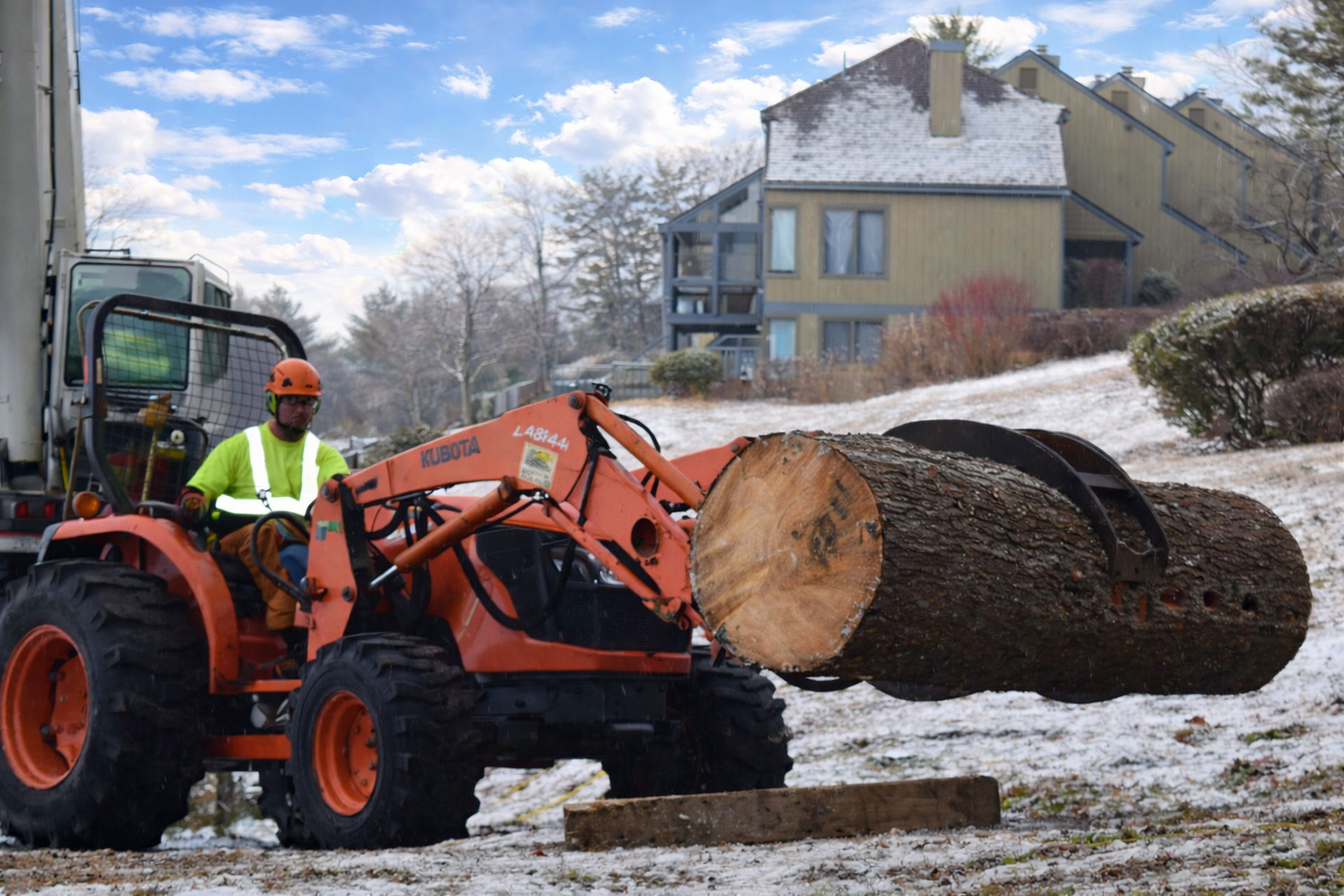
You step outside in March and hear a sharp crack from the yard. Last night another layer of ice coated the branches, and now something up in the upper part of the tree has let go. That sound is familiar in Gilford, Holderness, and along the big lake, where winter hangs on and storms stack wet snow on trees that already carried a full load in January. You do not need a classroom talk to know heavy ice and snow can break limbs and pull whole trees out of shape. You need a simple plan for what to look at, what you can wait on, and what deserves a call before the next wind.
Why Ice and Snow Hit Local Trees Hard
New Hampshire winters are long, cold, and changeable. Warm air followed by a freeze leaves a glaze on twigs. Wet snow sticks where dry powder would slide off. Evergreens hold more surface area for ice to build. Deciduous trees with wide, horizontal limbs collect weight like shelves. Add a steady wind off the water near Meredith or Center Harbor, and stressed wood fails.
Soil that stays frozen shallow can limit how well roots hold while the upper branches move in the wind. Trees near driveways, walks, or plowed areas sometimes get salt splash that weakens buds over time, which does not cause the break by itself but can leave a tree less vigorous when loads arrive. None of this means every tree is doomed. It means local conditions are tougher than what you read in a generic national guide.
What Homeowners Can Check From the Ground
Stay off ladders and out of the upper branches. Your safety comes first. Walk the property and look up with binoculars if you have them.
Broken Limbs and Hanging Wood
Anything partially attached and hanging over the roof, the power drop to the house, the deck, or a busy path is urgent. Wind will finish the job sooner or later. If the piece is small and well away from targets, you may be able to wait for a scheduled visit, but do not guess when the target is your home or a neighbor fence line.
Splits and Tears in the Trunk or Large Side Branches
A fresh split that opens the wood is different from a small bark wound. Wide cracks that go deep, or a limb that has peeled downward but not fallen, often need professional judgment. That is where tree removal or careful pruning enters the picture, depending on how much sound wood remains.
Lean and Movement at the Base
If the trunk used to grow straight up and now tilts after a storm, or if you see new cracks in the soil on the side opposite the lean, treat that as serious. The same goes for exposed roots that look lifted or sheared. These signs mean the whole tree may be unstable where it meets the ground, not just a few twigs.
- Hanging or broken pieces over targets: Priority for a pro
- Cracks in main wood: Needs assessment before leaves hide the damage
- New lean or soil cracks: Do not wait for summer
- Small twigs on the lawn: Normal cleanup; watch the tree for hidden damage
When Pruning Helps Before Next Winter
Ice breaks weak points that were already weak. Limbs that rub, cross, or grow too long for their attachment are more likely to fail next time. Late winter and early spring, before new leaves hide the branch pattern, are common windows for corrective work in our area because the crew can see structure clearly and the ground is often firm enough for equipment.
Professional pruning reduces weight at the tips of long limbs, opens some evergreens so snow can fall through, and removes dead wood that adds no strength. It is not about hacking the tree back. It is about balance and clearance. If you are near the water, remember that shoreline rules can affect what you cut and when, so review shoreland protection or ask a team that already works in those zones.
How This Fits With Broader Storm Recovery
Heavy ice events are one slice of winter weather. Wind throws, lightning, and saturated soil cause other kinds of harm. If you are dealing with widespread damage after a major event, our guide to storm damage assessment and recovery walks through how pros prioritize work and what recovery can look like across a property.
For chronic issues tied to foot traffic and lawn care squeezing the soil where roots need to breathe, not winter load alone, you may also want to read about soil compaction and tree health so you are not fighting two battles at once.
When Removal or a Crane Makes Sense
Some trees cannot be made safe with pruning alone. If the trunk is badly split, the roots no longer hold the tree steady, or the tree is a repeated breaker, removal may be the right call. Tight yards, steep slopes, and targets underneath often call for crane services so pieces never free fall onto a roof or a shed.
If you are unsure whether the tree stays or goes, compare notes with our post on when to remove a tree in the Lakes Region. The same questions and warning signs there still apply after winter damage.
Summary
Ice and snow load is a real risk for properties around Laconia, Meredith, Gilford, and neighboring towns. Check from the ground for hangers, splits, and new leans. Plan corrective pruning in the weeks before full leaves hide problems. Call early when failure would hit the house, wires, or places people walk. Pair winter checks with good long term care of soil and roots so trees enter each cold season as strong as they can be. If you want someone to walk the property with you, contact our team or learn more about what we offer on services.
Worried About Ice Damage on Your Trees?
We assess winter injury across the Lakes Region and Belknap County and can prune, remove, or stabilize when needed.