Lake Shore Wind and Your Trees Before Summer Season
Waterfront trees face stronger, steadier wind than inland yard trees. Mid-May is a practical window to address clearance and structure before peak season.
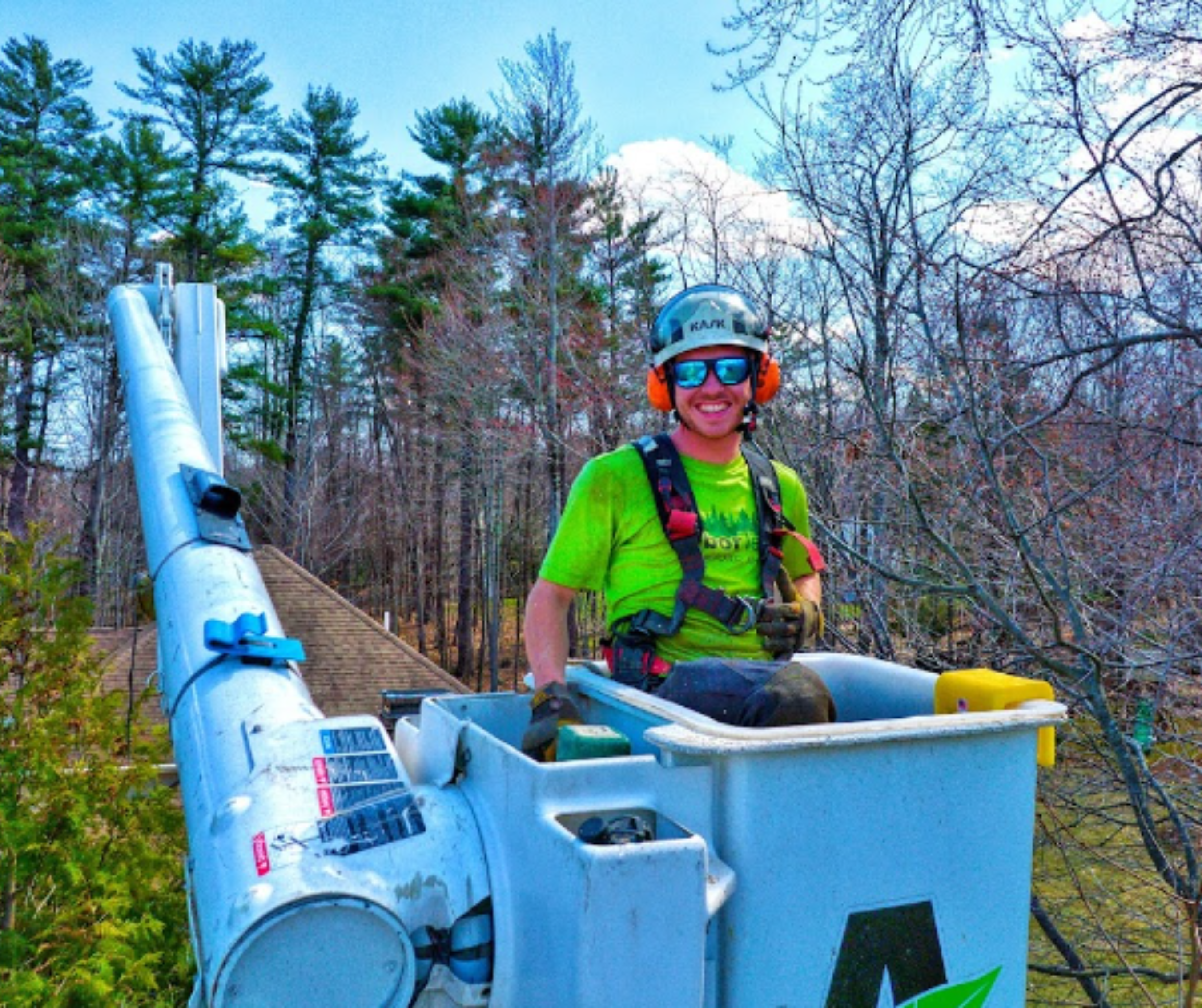
Trees on lake shorelines do not experience wind the same way as trees in a sheltered backyard. Open fetch across the water adds steady load to the crown, especially once leaves are fully out. On Lake Winnipesaukee and smaller Belknap County ponds, we regularly see lean, cracked unions, and broken tops on trees that looked fine from the dock in early spring.
Mid-May sits in a useful gap: foliage shows stress patterns clearly, ground is usually workable, and contractor access is still easier than after Memorial Day fills parking areas and narrows staging on steep lakefront lots. Planning now beats reacting during a crowded July weekend when a limb hangs over the swim ladder.
Why May Matters for Waterfront Trees
Calendar access is still reasonable before holiday weekends fill parking areas and contractors compete for staging space. Full foliage makes weak points visible, but dry ground often remains compared to mud season. Homeowners who wait until "after the Fourth" sometimes find the same conflicts compounded by guest traffic and booked crews.
Prevailing wind direction varies by bay and orientation. Trees on open north or west fetch often show dieback on the water-facing side. Document that pattern with photos—it helps arborists distinguish exposure stress from root failure or disease.
Compare movement on calm mornings versus breezy afternoons. Trees that sway uniformly often differ from trees where one stem flexes independently at a narrow fork—the second pattern deserves closer review before summer storms.
What to Inspect
- Lean toward the water with soil heaving on the opposite side
- Dead or thin crowns on one side exposed to prevailing wind
- Low limbs over docks, stairs, and mooring areas
- Root exposure after ice push or low water—see our June piece on shoreline roots
- Co-dominant unions moving independently on breezy days
Pruning vs. Removal
Selective pruning can reduce sail and improve clearance without destroying a healthy tree. When decay, root failure, or poor structure makes the tree unsafe, removal may be the responsible choice. Vista and buffer work on shoreland properties should follow shoreland protection guidelines.
Reduction pruning is not topping. Proper cuts lower end weight and thin dense sails while preserving long-term structure. Pair timing guidance with our articles on April pruning timing and early leaf sail.
Waterfront association members should share photos of shared-buffer trees before booking individual lot work—coordinated scope prevents conflicting cuts on lot lines.
After Storms and Winter Carryover
If winter or spring storms already damaged your shoreline trees, read storm damage assessment and recovery before attempting cleanup yourself. Hung-up limbs over water require rigging and training—not improvised cutting from a dock or boat.
When drop zones are tight between house and shore, ask about crane-assisted removal during the May scheduling window. Explore services for a full picture of waterfront capabilities.
Association and shared waterfront owners should coordinate inspections before Memorial Day so one lot's hazard limb does not become everyone's emergency when weekend wind arrives.
Species and Exposure
White pine, red oak, and sugar maple each respond differently to open fetch. Pines may shed needles on the windward side while maples show asymmetric crown density. Note species when you photograph lean—it helps us plan reduction cuts that respect growth habit.
Summary
Shoreline trees face steady wind and full leaf sail that inland yard trees never match. Use mid-May to inspect lean, weak forks, clearance over docks, and root exposure before summer crowds arrive. Choose selective pruning when structure allows; plan removal when decay or root failure makes the tree unsafe. Respect shoreland rules and book access while staging is still practical. Contact us for waterfront assessments across Gilford, Meredith, Laconia, and Belknap County.
Waterfront Tree Work on Your Lot?
We handle shoreland buffers, selective thinning, and technical removals across the Lakes Region.