Spring Guide: Stump Grinding and Yard Prep Around Tilton and Center Harbor
After mud season softens the ground, spring is a practical time to grind stumps, level the lawn, and plan new planting. Here is how we approach it with homeowners in the Lakes Region.
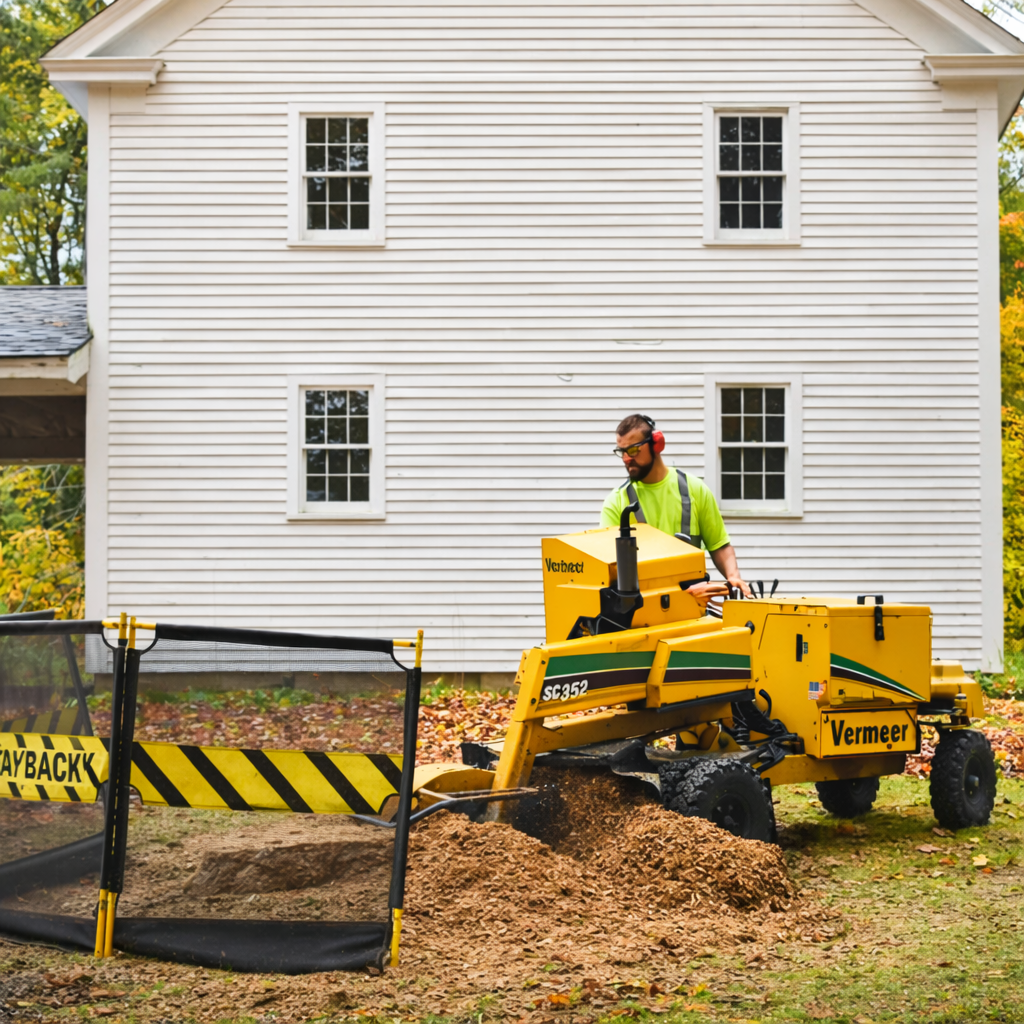
The snowbank by the barn finally shrinks enough to show the stump you meant to deal with last fall. In Tilton, salt from winter plowing along busy roads often reaches the edges of beds, and in Center Harbor the path from the dock to the house turns to mud while the frost still pulls out of the ground. Spring is when many people remember how much that old cut annoys them. Mowers catch on the rim. Kids trip on the edge. A ring of suckers turns into a hedge you did not plant. Professional stump grinding clears the wood that is left below grade so you can rake, seed, mulch, or plant without fighting the same lump every year. This guide walks through timing, what to expect from the machine, and how the job fits with the rest of your spring yard work.
Why Spring Works for Stump Grinding
Frozen ground in January can slow access. Mid summer drought can stress new grass if you are trying to grow sod over the spot right away. Spring usually offers workable soil, longer daylight for crews to finish and clean up, and a natural pause before summer guests arrive on the lake. You do not need perfect weather, only ground firm enough to roll a grinder across the lawn or along a woods path without tearing ruts. If your lot in Tilton or Center Harbor stays wet late, we may mat the route or wait a few days. Tell us if septic fields, shallow utilities, or irrigation lines sit near the stump so we can adjust depth and placement.
Grinding is different from digging. We use a spinning wheel with teeth to shave the stump and upper roots into chips. What remains is soil mixed with mulch like material that you can rake level. Large stumps may leave a noticeable depression as the chips settle; topping off with loam later is normal. If you want a new tree in the same footprint, say so before we start. Some sites need offset planting so the new root ball is not sitting entirely in old chip fill.
- Access: a path about as wide as a lawn mower gate is often enough for smaller machines
- Depth: enough to get below grade for grass, deeper if you plan a patio or walk
- Cleanup: chips can stay on site as mulch or we can haul excess away depending on the estimate
- Sprouts: grinding removes the food source that feeds many suckers from an old cut
Before the Grinder Arrives
Move patio furniture, pots, and dog tie outs that sit within the swing radius of the crew. Mark sprinkler heads if they are close. If the stump sits inside a bed, trim back perennials that would get trampled. For properties that just had tree removal, grinding is the usual second step once the trunk is gone. Our overview of next steps lives in what to do after tree removal, which pairs well with this spring timing piece.
If you are on the water, check whether your town treats stumps near the shore as part of a larger project. We cover permitting conversations on our shoreland protection page when trimming or removal sit in the same plan as grinding.
After Grinding: Finish the Yard the Right Way
Rake the area so the grade matches the surrounding lawn or bed. Let heavy chip piles settle a week or two if you have time, then add a thin layer of topsoil before you seed. Water gently; spring rains in Belknap County often help, but do not let new seed dry out on hot afternoons in May. If you prefer mulch beds instead of grass, follow the same depth ideas we describe in mulch rings for trees: wide, shallow, and not piled against any trunk you keep nearby.
Expect some chips to work their way up the first season. A light rake in early summer knocks them back in. If mushrooms appear on the old stump zone, that is common decay activity and usually fades as the wood fully breaks down underground.
When Grinding Is Not the Whole Answer
Some stumps sit on ledge, wrapped in stone walls, or wedged against foundation corners. Others share space with gas lines you cannot locate from memory alone. When the machine cannot reach safely, we talk through alternatives such as partial grind plus soil cap, or full removal if a builder needs a clean hole. Tight lake lots sometimes need the same kind of planning we use for crane services on removals, even if this job is smaller in scale.
How to Book and What to Ask
Photos that show the stump, the gate width, and anything overhead like wires help us quote. Mention whether you want the chips left, spread, or removed. Ask how deep we will grind for lawn versus patio prep. Confirm whether the price includes raking the immediate area or only machine work. For any other tree questions on the same visit, browse services and we can often combine a walkthrough for pruning or removal while we are on site in Laconia, Gilford, or nearby towns.
Summary
Spring in the Lakes Region is a sensible season to cross stump grinding off your list. The ground wakes up, you see what winter hid, and you still have time to grow decent grass before summer traffic on the lawn. Plan access, be clear about depth and cleanup, and tie the finished spot into seeding or beds without smothering nearby trees. When you are ready, contact ArborTech NH or call 603 491 5183 to put your stump on the schedule.
Schedule Stump Grinding This Spring
We grind stumps cleanly and leave you ready for lawn or planting.