Tree Care Tips

Early Leaf Sail and May Wind: Planning Reduction Pruning in the Lakes Region

A pre-Memorial Day read for waterfront and inland yards. The crown you can still see through this week is the one you can still plan around. By the second week of May the leaves have voted, and the wind votes with them.

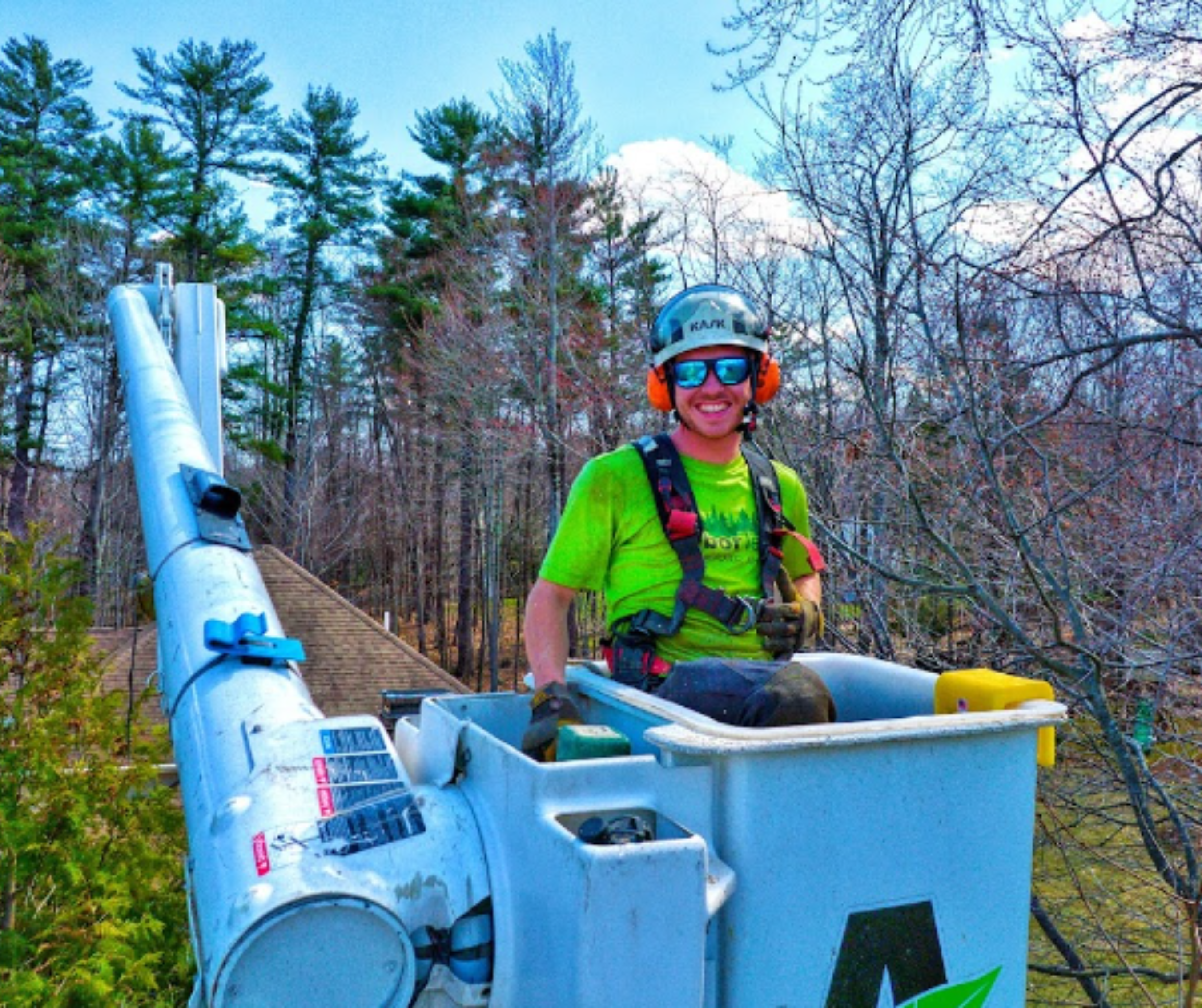
Certified arborist evaluating spring tree structure in New Hampshire

Stand on a dock in Gilford the second Saturday of April and a white pine at the corner of a shoreline lot will bend a little farther than it used to. The lake was ice ten days earlier. The wind is steady out of the south, the kind of straight-line wind that builds across open water on Winnipesaukee and arrives at a shoreline lot with no warning. The tree itself may be fine. It has been bending like that every spring for thirty years. But the new buds are starting to swell at the tips, and you can see what the canopy is going to look like once May fills in. That is the moment to put the call on the calendar, because the only thing easier to plan than wind pruning in April is wind cleanup in October.

That is the right call. Reduction pruning belongs in the window when you can still see through the crown. Once leaves close in around Meredith and the rest of the Lakes Region, the wind story changes faster than most homeowners realize. A few long limbs that looked unremarkable on a bare crown in April become sails by the third week of May. This article is not a substitute for an on site visit. It is a plain language read about why arborists talk about end weight reduction and selective thinning in April, what it actually means for waterfront and inland yards, and how the conversation belongs in your calendar before Memorial Day rather than after the first big gust. Pair it with April wind pruning timing for a deeper read on the timing itself.


Why Leaf Sail Matters More Than Branch Count

The wind does not care how many branches a tree has. It cares how much sail area each branch presents and how far that sail sits from the trunk. A few long, leafy limbs catch more wind than many short interior twigs. The lever arm matters as much as the surface area. This is why arborists talk about reduction cuts that shorten outer limbs, and not about generic "thinning" that strips interior wood. A proper reduction shortens the longest leverage points while leaving the natural outline of the crown intact. A bad reduction strips the inside of the crown, leaves a fluff of foliage only at the tips, and creates a worse wind problem than the one the homeowner thought they were solving.

Topping is the worst version of the bad approach. If any contractor offers to top a hardwood for storm safety, get another opinion before signing anything. Topping creates weak watersprouts at every cut point, the watersprouts fail in the next wind, and the homeowner ends up paying for the same job again in two years on a tree that is now structurally compromised. Our tree pruning page explains the selective methods we actually use in the same language we use on site. You are allowed to ask any arborist to explain the difference between reduction and topping in plain words before you hire them.


Waterfront Lots, Docks, and the Things That Limit Staging

Lakeside work is different from inland work for reasons that have nothing to do with the trees and everything to do with getting equipment safely near the trees. Docks limit where chip trucks can park. Stone steps limit how a crew can move brush. Narrow gates between a road and a back yard can rule out a chipper that would have fit a typical neighborhood lot. The first thing we ask on a waterfront call is gate width, septic field location, and where the path between the road and the work zone actually runs. Two photos answer more questions than ten sentences. If your lot sits under shoreland protection rules, the buffer language has to be respected throughout the plan, and we would rather discuss it on the phone than discover it on the truck.

Sometimes the right answer on a tight lakeside lot is crane work, even for pruning. Lifting pieces over a roof or out of a shoreland buffer is occasionally the only way to do the job without damaging the very property the work is supposed to protect. Crane days look expensive on paper until you compare them to the cost of a damaged dock, a torn screen porch, or a buffer violation that triggers a state conversation. The crane is often the calm option, not the dramatic one.


When Removal Honestly Beats Thinning

Some trees should not be saved with pruning. A major decay column running up the center of a mature oak, a new lean that appeared since the thaw, or a split union directly above the roof line can exceed what any selective cut can responsibly manage. The most respectful thing we do on those calls is say so honestly rather than charge for work that will not change the outcome. When to remove a tree walks through the criteria we actually use. Our tree removal page describes the visit itself in the same plain language.

Wanting a clear answer about whether a tree is keeping or losing is reasonable. The honest answer requires an on site visit, because a crack in a photo only shows one face and a lean over the phone only shows the angle the homeowner thought to mention. You are allowed to ask for that answer in clear terms before any work happens, and our team is allowed to say "removal is the right call this season" without trying to soften it into a pruning plan that pretends the problem is smaller than it is.


Interior Thinning Versus Lion Tailing

Good interior thinning removes a small percentage of selected branches throughout the crown to lower sail area while leaving enough foliage to protect interior bark from sun damage. Lion tailing strips the interior bare and leaves clumps of foliage only at the branch tips, like the tuft on the end of a lion's tail. It is structurally terrible. The exposed interior bark sunscalds, the tip weight creates worse leverage than before, and the next wind tests the weakest version of the tree.

If a past prune on your property left long bare limbs with green pom poms at the ends, say so when you call. We can discuss restoration pruning, but it has to respect how much live tissue a tree can lose in a single year without falling further behind. Restoration is usually a three season conversation, not a one visit fix. That is not a sales pitch. It is the biology being honest about how much a stressed crown can recover at once.


Cables and Braces When the Union Is Worth Saving

Some codominant stems can be supported with static cable systems when the species, the union condition, and the lean angle all fit the criteria. That conversation has to happen in person with measurements, not from a flyer left on the porch. If you saw a crack in a fork last summer and it looks wider this April, treat that as urgent language when you call, even if the leaves still look normal. Cracks widen quietly in winter and then announce themselves under the new wood load that May leaves create. The April call about a crack you noticed last August is not a panic call. It is the responsible one.


Schedule Before Memorial Day Traffic Compresses Every Calendar

Crew calendars compress when every homeowner in the Lakes Region notices the same hanger at the same time. April booking lands calmer weeks, cooler weather for ground staff, and a real chance that we can choose the dry window rather than chase it. Sending photos from the water side and the road side of the house when you first call helps us understand wind exposure before we drive out. If a tree shares a property line with a neighbor, early April is a much friendlier window for that conversation than the week before a holiday weekend. We will attend joint walkthroughs when both households invite us, and we will give the same plan on both sides of the fence.


Stump and Regrowth Plans After Removals

If removal is part of the wind plan this spring, pair the timing with spring stump grinding and yard prep so the regrowth sprouts that follow a removal do not become a second surprise bill in August. Grinding depth and turf repair both change how soon you can reseed along shoreland buffers without creating erosion that the state has opinions about. Sequencing the removal, the grinding, and the turf work in a single conversation usually saves a trip and a half compared to handling each in isolation. That sequencing is part of what a planning call sorts out.


What to Send Before We Book Equipment

Gate widths in feet, photos of the stone steps between the road and the work zone, an estimate of overhead power line height if it crosses the driveway, and whether the septic field sits under the path the chip truck would naturally take. That short packet keeps crane and lift days calmer for the crew and gentler on the lawn. None of it requires you to be home when we arrive, and most of it is a five minute walk with a phone.


Ice Cracks That Waited Until April to Show

Some splits from January ice do not fully open until April sap runs and the fibers separate enough for the crack to widen visibly. If you find a split that has clearly grown since the last time you looked, photograph it with a ruler or a hand in the frame for scale and date the image on your phone. That single habit turns vague worry into data the arborist can use when deciding whether a cable, a reduction, or removal fits the risk level you can accept this season. Wind plans belong in April, not after the first damaged porch screen reminds the household that the lake still moves air on pretty days. Plan the thinning while you can still see structure, then enjoy the shade you earned.

Schedule Wind Load Pruning

Send photos from the water side and the road side of the house. We keep recommendations tied to structure you can see.

Thank You!

Your request has been submitted successfully.

We'll contact you within 24 hours to discuss your tree care needs.