Clearance Around Docks and Boat Ramps: Pruning Before Peak Season
Boat traffic and dock use pick up fast after Memorial Day. Address branch clearance over mooring areas and paths now, not on the busy weekend.
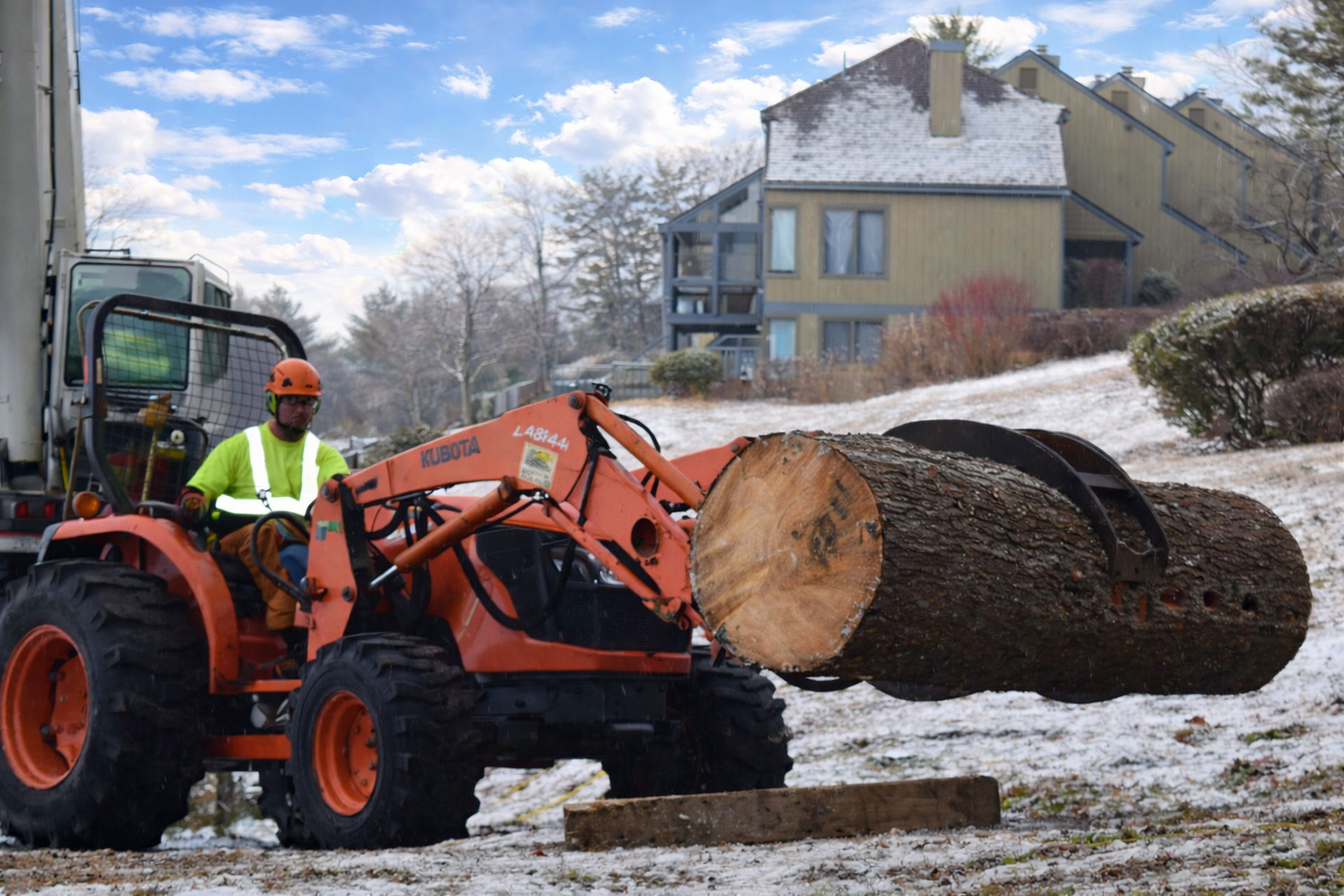
Shared docks, private moorings, and association boat ramps all have the same tree problem: branches that were tolerable in April hang at head height or snag rigging once leaves return. On busy Winnipesaukee bays, parking and staging areas get tight at the same moment clearance shrinks.
May 21 is deliberately late enough that foliage shows true clearance conflicts—and early enough that you can still schedule work before Memorial Day traffic. Waiting until "someone gets clipped by a branch" turns a predictable pruning job into an urgent weekend distraction.
Common Targets Near Docks
- Low limbs over cleats and swim ladders
- Branches that interfere with sailboat masts or fishing rod clearance
- Overhanging wood over the path from parking to the water
- Dead limbs above aluminum docks and swim platforms
- Twigs that catch dock lines when wind shifts overnight
Plan Before the Crowd
May and early June usually offer better scheduling and easier staging than July and August. Flag the limbs that conflict with daily use—not just the ones visible from the lawn. Walk the route you take with kayaks, coolers, and rigging on shoulders; clearance matters at multiple heights.
Photograph conflicts from the dock surface and from the parking approach. Those angles help us quote without a guess on which limb actually causes the snag.
Test clearance with your tallest usual rigging in place—kayak paddles, fishing rods, and sailboat masts each define different conflict heights on the same branch.
Staging Questions to Answer Early
Where can chip trucks park? Is there room for a lift if needed? Are stone steps the only access? Mention constraints when you request an estimate so crews arrive with the right plan.
Shoreland and Neighbor Considerations
Waterfront work may fall under shoreland protection rules. If trees straddle a lot line, coordinate with neighbors before major cuts. Selective pruning often solves clearance without full removal.
Vista goals and safety clearance overlap but are not identical. You can raise limbs over a path while keeping shade on the deck—professional scope balances both when species and health allow.
When Removal Makes Sense
Dead, decayed, or wrongly placed trees next to fixed docks may be safer to remove than repeatedly cut back. For tight spaces, ask about crane-assisted removal. Compare chronic clearance problems with when to remove a tree if the same limbs return every year despite repeated cuts.
Mark conflict limbs with flagging tape during your May walk so crews can confirm scope quickly on arrival—especially on shared docks where multiple owners use the same slip.
Shared vs. Private Docks
Association docks need coordinated scope so one owner's clearance work does not leave overhanging limbs above a neighbor slip. Share photos with your association contact before Memorial Day if trees straddle shared access.
Include night use in your check—branches that feel acceptable at noon can interfere with dock lighting sight lines or catch lines when visibility drops during late returns from evening boating.
Across Gilford, Meredith, Laconia, and other Belknap County communities we serve, the same seasonal pattern repeats: full leaves, lake wind, and crowded paths expose clearance and structure problems that looked minor in April. Professional pruning, shoreland-aware planning, and timely contact with photos keep small issues from becoming emergency removals when summer weather arrives.
Summary
Dock-season clearance conflicts appear fast once leaves fill in. Map limbs over cleats, paths, and rigging in May while scheduling and staging remain workable. Respect shoreland and property-line context. Choose selective pruning for healthy trees; plan removal when decay or placement makes repeat trimming a bandage. Related June articles cover dock lines and rigging in more detail as boating traffic peaks.
Need Clearance for Dock or Boat Access?
We prune and remove near waterfront structures throughout Belknap County.