May Tree Care Checklist for Lakes Region Yards
May is when leaves fill in and small problems become obvious. Here is a simple property walk that helps you decide what can wait and what deserves a call.
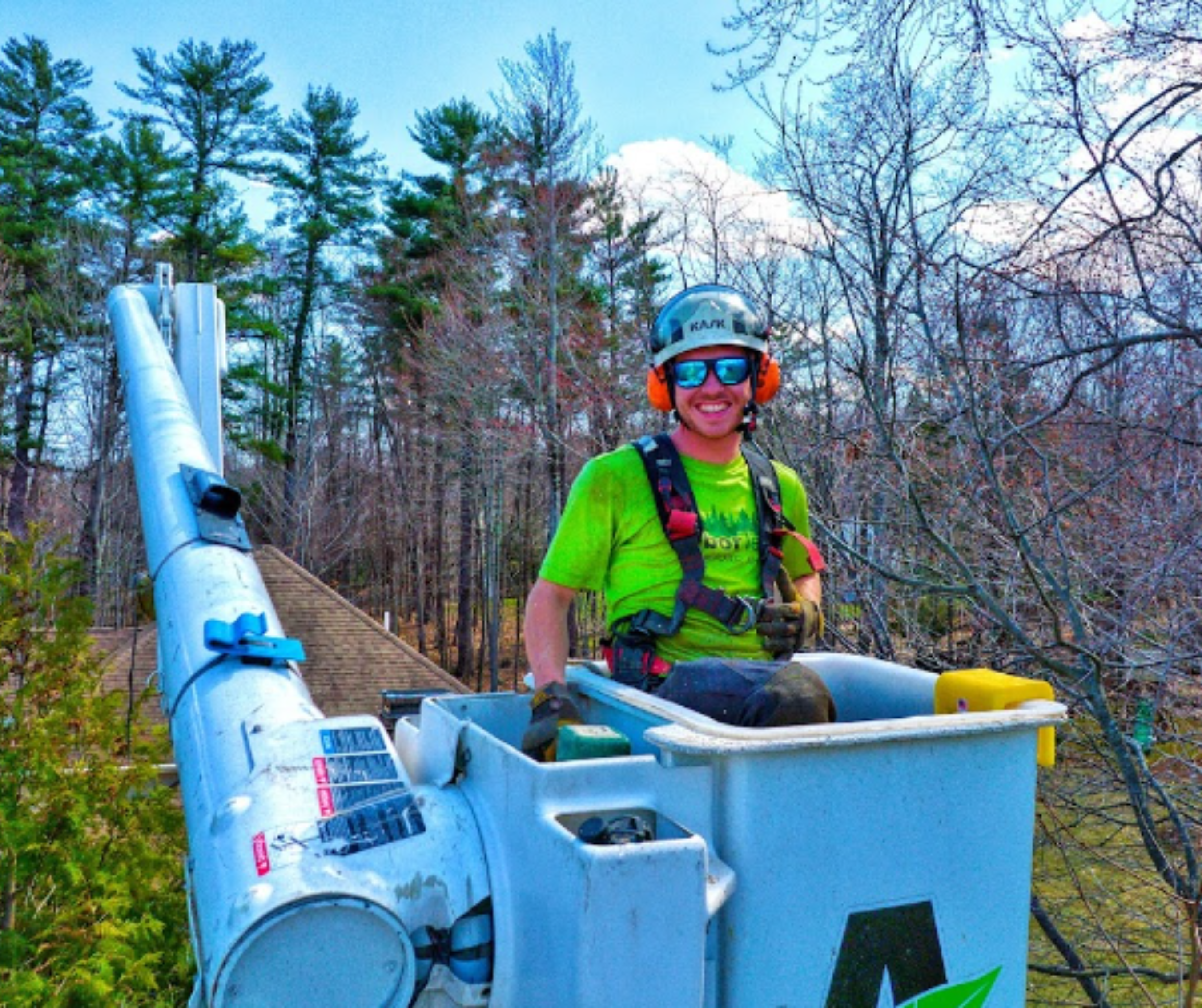
By May, most trees on a typical Lakes Region lot have leafed out enough that you can see structure problems you missed in April. That maple by the driveway might look full and healthy from the road while a cracked fork sits hidden in the crown. A white pine along the property line may be fine overall but carrying a heavy dead limb over the neighbor's fence.
This article is a plain-language checklist for a May property walk. It is not a diagnosis and not a substitute for an on-site visit. It helps you notice what arborists look for first when homeowners call in Belknap County—and it helps you sequence work before summer guests, dock traffic, and contractor schedules tighten.
Start With Targets, Not Species
Walk your lot and note what sits under each major tree: roof, driveway, dock path, play area, or power service. Trees are managed differently when failure would hit people or structures. A cosmetic issue on a back-lot tree is lower priority than a hanging limb over the front walk.
Make a simple list: tree location, what is underneath, and what caught your eye. That list saves time when you request an estimate and helps crews plan staging on tight lakefront properties.
What to Look for on Shade Trees
On maples, birches, and similar broadleaf trees, check for dead tips, bare sections in the crown, and branches rubbing the house or garage. Co-dominant stems—two trunks splitting from one point—are worth photographing while you can still see into the crown. Read more about structure in our guide to structural pruning.
Quick Shade Tree Checks
- Deadwood visible against the sky in the upper crown
- Branches touching siding, gutters, or chimney
- One-sided dieback after winter or salt exposure
- Cracks or sap flow at major forks
What to Look for on Evergreens
Pines and spruces often show winter damage in May as brown needles or broken tops. A single dead leader is different from a tree that is failing overall. Compare our article on when to remove a tree with what you see on the ground if you are unsure.
Evergreens near lake wind may show thin crowns on the exposed side while the leeward face looks full. That pattern helps you distinguish ongoing exposure stress from a tree in general decline.
Ground-Level Habits Matter Too
While you scan the canopy, look at the base of each tree you plan to keep. Mulch piled against the trunk and repeated string-trimmer contact cause more long-term harm than many homeowners realize. Our mulch ring guide explains proper depth and shape.
Note compacted paths to docks, raised beds that buried root flares, and any new construction within the drip line. Pair this walk with our April articles on root flare checks and mower damage prevention.
When to Call
Call when you see hanging limbs, significant lean, major cracks, or dead crown sections over targets. For pruning, vista work, or removal questions, request an estimate and send a few wide photos if you can—see what photos help us quote.
May is still a practical window for pruning before full summer sail and before peak season limits access on waterfront lots. Explore services for an overview of how we help across the region.
Repeat the walk after the first strong May thunderstorm—wind often exposes hangers that full foliage hid on calm days.
Summary
A May walk organized around targets—not species—surfaces the problems that matter most before summer crowds arrive. Check shade trees and evergreens for structure, dieback, and clearance conflicts. Inspect root zones and mowing habits at the same time. Photograph concerns and call early for hazards over daily-use areas. This checklist pairs naturally with our wind, dock, and shoreline articles published through May and June.
Want a Professional Property Visit?
We serve Gilford, Meredith, Laconia, and surrounding Lakes Region towns.