Which Tree Service Do You Need First? A Short Quiz
Answer four questions about your property, then read the outcome that matches your pattern before you request an estimate.
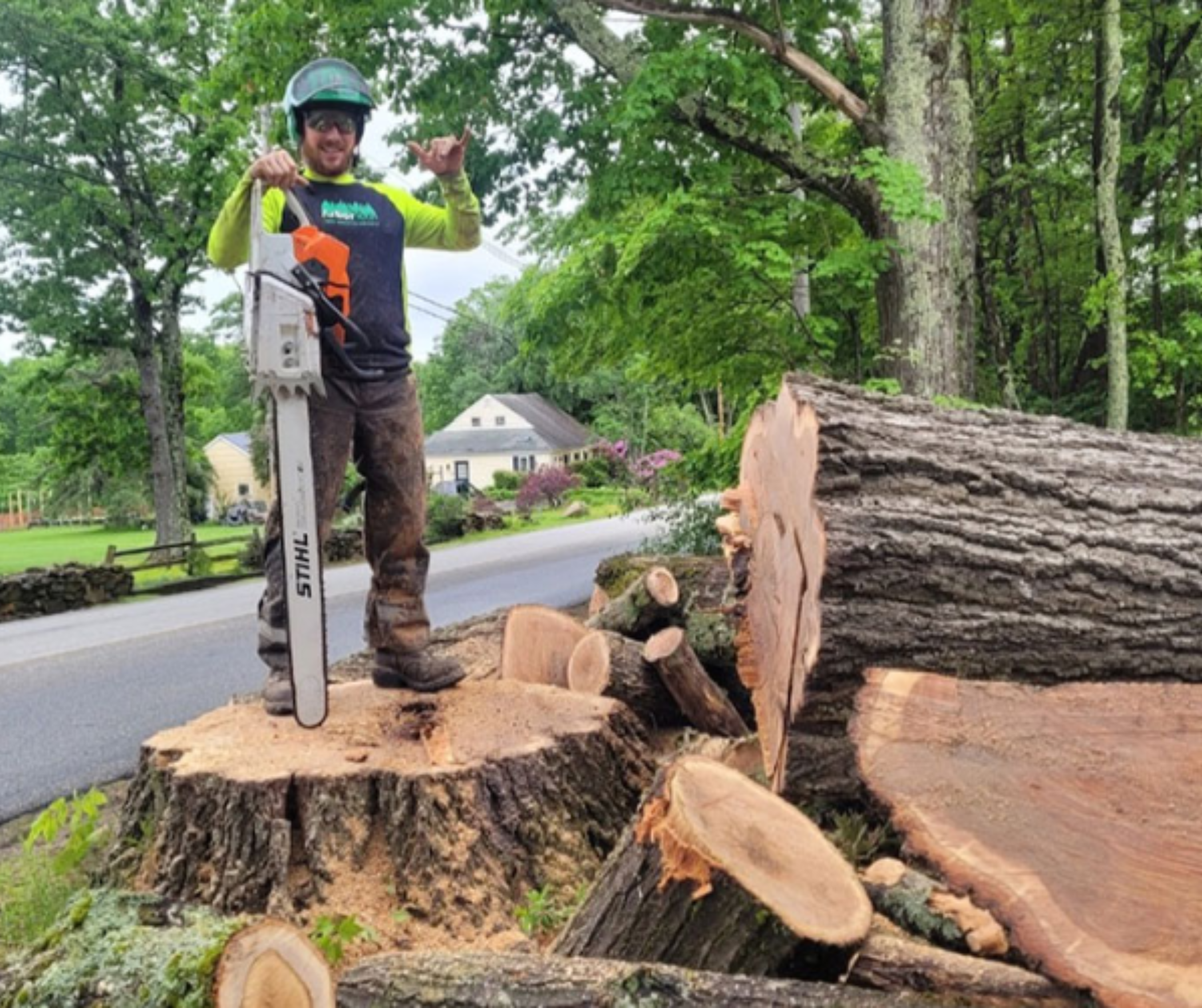
Lakes Region homeowners often juggle several tree needs at once: a hanger over the driveway, a stump from last year, a fork that worries you, and a roofline branch that scrapes in wind. This short quiz helps you sort what to tackle first. Pick the answer closest to your lot for each question, then read the section that fits your dominant pattern.
It differs from our evergreen general tree service quiz by focusing on midsummer access, storm follow-up, and waterfront staging common on Belknap County lots right now.
Four questions about your property
Question 1: What is the most urgent visual issue? A) A hanging or cracked limb over a path, roof, or dock. B) Low live branches interfering with daily driving or walking. C) A removed tree left a stump or sprouting roots in lawn or beach access. D) No single urgent limb; you want healthier structure or more light.
Question 2: What best describes access to the work zone? A) Open yard with room for a bucket truck. B) Narrow lakefront driveway, stone walls, or steep drop toward water. C) Stump sits in turf or garden with standard gate width. D) Mostly open inland lot with one tight corner near the house.
Question 3: What happened in the last season? A) Recent storm or wind event changed lean or opened a crack. B) Full leaf crown made a clearance conflict obvious for the first time. C) Grinding or removal was deferred after earlier tree work. D) Slow decline, mulch issues, or mower scars without fresh storm damage.
Question 4: What is your primary goal for the visit? A) Address a cracked or hanging limb toward the house, dock, or drive. B) Restore headroom on paths, parking, or rigging zones. C) Finish the ground after removal so mowing or planting can resume. D) Improve long term structure, view, or shoreland compliant thinning.
Tally which letter appears most often. Mixed answers are normal. Let the most urgent repeating symptom lead your next step.
Mostly A answers: storm follow-up and removal
Hanging limbs, fresh cracks after wind, or major lean toward structures point toward a storm follow-up visit first. Read storm damage assessment if weather already broke partial unions.
Removal may be appropriate when unions are compromised and drop zones are tight. Compare signs with when to remove a tree before you assume pruning alone will stabilize the crown.
Narrow waterfront access often needs crane services even for storm follow-up work. Mention wall openings, steps, and where chip trucks can park when you contact us.
Photo the limb or lean from two angles with a familiar object for scale. Clear images move the first visit faster than text alone.
Mostly B answers: selective pruning and clearance
Live branches over driveways, docks, or lake paths usually fit selective pruning: crown raising, thinning, or end weight reduction on sound wood.
Read lakefront path clearance and dock line clearance when conflicts involve boats or rigging, not only walking routes.
Shoreland buffers may limit how much material can come out at once. Review shoreland protection before you plan vista style cuts on regulated frontage.
Schedule before peak traffic on Winnipesaukee if staging space is already tight on your street. Mention driveway width, stone walls, and where chip trucks can park when you call.
Mostly C answers: stump grinding and finish work
Stumps left after removal block mowing, attract sprouts, and leave an uneven patch on paths to the water. Stump grinding restores grade for turf or planting.
Read after removal next steps and spring yard prep for grinding for access and sprinkler marking habits that still apply in summer.
Grinding is finish work, not a substitute for pruning a cracked limb on a separate tree overhead. Keep hanging wood and lean on the priority list from our shoreline priority guide.
Mark irrigation heads and shallow utilities before crews arrive. Photos of stump size and gate width help quote without an extra drive by.
Mostly D answers: structure, health, and cultural fixes
Slow decline, tight forks, mulch volcanoes, or mower stripes fit planning visits more than emergency removal. Start with our guide on checking tree forks from the ground and May notes on co-dominant stems.
Cultural fixes belong with professional scope: correct mulch rings in our mulch guide, reduce compaction from soil compaction article, and schedule structure pruning before storms test weak unions.
Fertilization and disease ID may enter the conversation when leaves look off. Compare summer chew patterns in our leaf chew article before you treat decline as nutrition alone.
Explore full services across pruning, removal, crane work, and shoreland aware care. One site visit often sequences multiple priorities when photos show the whole lot.
Summary
Four questions sort storm follow-up, clearance pruning, stump finish work, and longer term structure care. Let urgent hangers and lean toward daily use areas lead scheduling. Match access constraints to crane planning early. Bring photos and a short written list so the first arborist visit addresses the right service, not just the loudest weekend annoyance.
Ready to Sort Your Tree Work?
Send photos and quiz notes. We help sequence pruning, removal, grinding, and crane work across the Lakes Region.